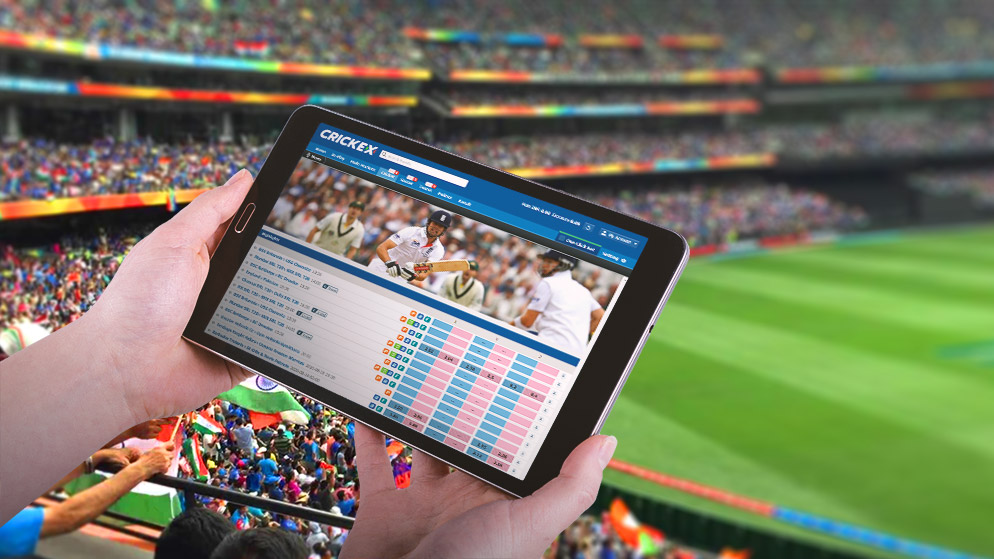
Cricket can change direction in a matter of deliveries. A wicket may interrupt a strong partnership, a sudden increase in the run rate may shift the pressure onto the bowling side, or rain may alter the conditions of a match. These developments influence how analysts assess the likely outcome, which explains why odds rarely remain constant throughout a game.

Understanding these changes is an important part of learning about Live Cricket Match Betting. In-play odds reflect changing expectations rather than a fixed prediction of the final result. They can respond to the score, wickets, overs remaining, player availability, pitch conditions, and other factors. However, odds do not provide certainty, and even a strong position can change quickly. By understanding the main influences behind these movements, readers can interpret live markets more critically and recognise the uncertainty involved in cricket betting.

What Do Live Cricket Betting Odds Represent?
Live cricket betting odds express the market’s current assessment of possible outcomes. Before a match begins, odds generally reflect information available at that point, including team strength, recent performances, venue conditions, and expected playing combinations. Once the match starts, new information becomes available with every over.
In-play markets incorporate these developments into updated prices. For example, a team that loses two early wickets may face greater difficulty reaching its expected total. The market may respond by offering different odds on the match result. If the batting side later builds a strong partnership, those odds may move again.
Odds reflect probability assessments, market activity, and the pricing approach used by a betting operator. They do not represent objective certainty. Different platforms may display different prices because they use different pricing models, update at different times, or account for market activity differently.
Readers should also distinguish between decimal odds and implied probability. With decimal odds, a simple implied probability calculation is:
Implied probability = 1 ÷ decimal odds × 100
For instance, decimal odds of 2.00 correspond to an implied probability of 50% before accounting for the bookmaker’s margin. This figure is a mathematical interpretation of the quoted price, not a guarantee that the outcome has a 50% chance of occurring.
Six Factors That Influence Live Cricket Betting Odds
1. Wickets and Batting Partnerships
Wickets can have a substantial effect on a team’s prospects, but their significance depends on the match situation. Losing an established batter during a chase may weaken the batting side’s position, especially if the remaining players have limited experience or the required scoring rate is rising.
Consider a T20 team chasing 180 runs. If it loses three wickets during the powerplay, the market may assess its chances differently from a team that reaches the same score with only one wicket down. The second team has more established batters available and potentially more flexibility later in the innings.
However, wickets do not automatically determine the result. A lower-order batter may accelerate the scoring, or a new batter may settle into the innings and rebuild the partnership. Odds can therefore change again as the situation develops.
2. Run Rate and Required Run Rate
The scoring rate helps explain how comfortably a team is progressing towards its target. In a chase, the required run rate shows how quickly the batting side must score to reach the target within the remaining overs.
Suppose a team needs 60 runs from the final five overs. Its required rate is 12 runs per over. If the batters score 18 runs in the next over without losing a wicket, the required rate falls, potentially improving the team’s position. If they score only four runs and lose a batter, the challenge becomes more difficult.
Live markets may respond to these changes because each over alters the balance between runs required, balls available, and wickets remaining. Still, a high required rate does not make a comeback impossible, particularly in formats where batters can score quickly.
3. Overs Remaining and Match Format
Time and overs affect how much opportunity a team has to recover. In T20 cricket, a team has limited deliveries to establish a total or complete a chase. One quiet over can have a noticeable effect when only a few overs remain.
ODI matches provide more overs, so teams may have additional time to rebuild after losing wickets or recover from a slow start. Test cricket follows a different structure, with declarations, innings, draws, and changing pitch conditions influencing the possible outcomes.
As a result, the same score can carry different implications across formats. A score that looks competitive in a T20 match may require a different assessment in an ODI. Understanding the format helps readers interpret why odds respond differently to similar events.
4. Pitch, Weather, and Playing Conditions
Pitch conditions can influence batting difficulty, bounce, turn, and the effectiveness of different bowling styles. A surface that becomes slower may make stroke-making harder, while conditions that support swing or spin can create additional challenges for batters.
Weather can also affect a match. Rain may interrupt play, reduce the number of available overs, or lead officials to apply the relevant competition’s revised-target method. Such changes can alter the relationship between the current score and the expected result.
Live odds may adjust when reliable information about these conditions becomes available. However, weather forecasts and pitch observations are not always precise, and a change in conditions does not affect every team in the same way.
5. Player Availability and Tactical Decisions
Cricket teams make tactical decisions throughout a match. A captain may introduce a specialist bowler, change the field, promote an aggressive batter, or hold back a key bowler for the closing overs. These decisions can influence how observers assess the next phase of play.

Injuries and player availability also matter. If an important batter cannot continue, the batting side may lose experience or flexibility. If a bowler leaves the field, the captain may need to distribute the remaining overs differently.
Markets can respond to confirmed developments, although the effect depends on the player’s role and the resources available to the team. Speculation about an injury or tactical change should not be treated as confirmed information.
6. Market Activity and Pricing Adjustments
Odds do not move only because of events on the field. Betting operators may also adjust prices in response to market activity, changes in their assessment of risk, or new information received through their data systems.
For example, a platform may temporarily suspend a market during a wicket or a review. When the market reopens, the displayed odds may differ from the previous price because the event has been confirmed and the market has been recalculated.
Different providers may update at different speeds. A delay in a score feed, an interruption in data transmission, or a platform’s own processing time can create temporary differences between displayed prices. Users should not assume that an older price remains available or that a displayed figure will stay unchanged.
Why Odds Can Move Sharply After One Delivery
Not every delivery has the same significance. A routine single during the middle overs may have a limited effect on the match outlook, while a wicket on the final ball of an over can change the batting order, reduce the number of established batters available, and influence the next over’s strategy.
A six in the final over of a close chase may also alter expectations considerably. The impact depends on the target, the number of balls remaining, wickets in hand, and the players at the crease.
Technology helps operators process ball-by-ball information and update markets, but the timing and accuracy of those updates depend on the systems involved. Some markets may pause while officials review an event or confirm a decision. This is why live odds can appear to jump rather than change gradually.
Readers should avoid interpreting a sharp movement as proof that a result is certain. A market can react strongly to new information and still be wrong about the eventual outcome.
How to Interpret Live Odds More Carefully
Understanding the factors behind odds movements can help readers avoid common misinterpretations. It cannot remove the financial risks associated with betting.
- Check the match situation first. Consider the score, wickets, overs remaining, and required run rate together instead of focusing on a single number.
- Verify important updates. Use reliable scorecards and official match information when checking wickets, reviews, injuries, or revised targets.
- Compare like with like. Confirm that the odds refer to the same market and outcome before comparing prices across platforms.
- Account for uncertainty. A short period of strong batting or bowling does not guarantee that the same pattern will continue.
- Avoid emotional decisions. A sudden change in odds can create pressure to act quickly, but urgency is not evidence that a bet is worthwhile.
- Understand the terms. Review market settlement rules, suspension procedures, and applicable account conditions before participating.
For general information about cricket betting terminology and related topics, readers can consult the cricket betting section of GullyBET. Any platform should be assessed on the clarity of its terms, the accuracy of its information, and the account controls it provides rather than promotional claims alone.
Common Misunderstandings About Live Odds
Do Shorter Odds Mean a Team Will Win?
No. Shorter odds generally indicate that a market assigns a higher probability to an outcome than to an outcome with longer odds, after allowing for the pricing structure. They do not guarantee a result.
A team may have a strong position and still lose because of a late collapse, a successful bowling spell, or an unexpected change in conditions.
Does a Sudden Odds Movement Reveal Inside Information?
Not necessarily. A movement may follow a visible wicket, a change in the required run rate, a confirmed injury, or a market adjustment. It can also reflect activity within the market or the timing of a data update. Without reliable evidence, it is not reasonable to assume that a price change reveals undisclosed information.
Can Past Odds Movements Predict the Next One?
Historical examples can illustrate how markets reacted to previous matches, but they cannot reliably determine how a future match will unfold. Cricket conditions vary, and similar scores can lead to different outcomes depending on the players, venue, format, and stage of the game.
Conclusion
Live cricket odds change because every over introduces new information about a team’s prospects. Wickets, scoring rates, overs remaining, playing conditions, player availability, and market activity all contribute to the way prices move during a match. Understanding these factors helps readers interpret in-play markets without confusing a changing probability assessment with a certain result.
Anyone researching Live Cricket Match Betting should approach odds as estimates shaped by incomplete information, not as reliable predictions of what must happen next. Readers should also consider the financial risks, review the laws applicable to their location in India, and avoid chasing losses or making rushed decisions. GullyBET can serve as a reference point for general cricket betting information, but informed decisions depend on understanding the terms, recognising uncertainty, and prioritising responsible participation.
Frequently Asked Questions
1. Why do live cricket odds change after a wicket?
A wicket changes the number of batters available and may affect the team’s scoring potential. The size of the change depends on the match situation, the batter dismissed, the remaining overs, and the resources left in the innings.
2. Why do odds change even when the score has not changed?
Markets may respond to confirmed player news, pitch or weather updates, tactical information, market activity, or corrections to data feeds. A platform may also update its pricing model without a change to the scoreboard.
3. Are live cricket odds the same on every platform?
No. Operators may use different pricing methods, margins, data providers, and update processes. Temporary differences can also occur when one platform updates or reopens a market before another.
4. Is live cricket betting predictable?
No. Match statistics and conditions can help explain the situation, but they cannot remove uncertainty or guarantee an outcome. Cricket remains affected by unpredictable events, including individual performances and changing conditions.