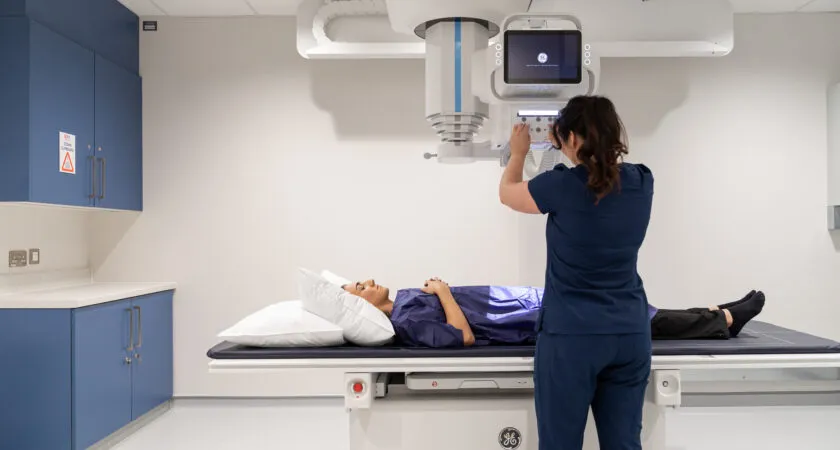
A correct diagnosis can make the difference between effective treatment and weeks or months of uncertainty. When symptoms point to several possible conditions, accurate testing helps healthcare professionals identify the underlying problem and choose the most appropriate care. For patients seeking Imaging Diagnostic Services in Dayton, reliable results can support earlier intervention, reduce unnecessary procedures, and improve treatment decisions. Understanding diagnostic accuracy also helps patients ask better questions, recognize the value of follow-up testing, and take a more active role in their healthcare.

What Does Diagnostic Accuracy Mean in Healthcare?
Diagnostic accuracy refers to how reliably a medical test identifies a condition when it is present and correctly indicates when it is absent. Healthcare professionals use several types of diagnostic tools, including blood tests, physical examinations, X-rays, ultrasounds, CT scans, and MRI scans, to gather information about a patient’s health.

However, no single test provides perfect results in every situation. A test’s accuracy depends on factors such as the condition being investigated, the technology used, the patient’s medical history, and the quality of the collected information.
For example, a patient experiencing persistent abdominal pain may need a physical examination, laboratory testing, and diagnostic imaging. Each assessment provides different information, helping the clinician develop a clearer understanding of the possible cause.
Understanding Sensitivity and Specificity
Two important measures help explain how well diagnostic tests perform.
Sensitivity describes how effectively a test identifies people who have a particular condition. A highly sensitive test is less likely to miss cases, although false-negative results can still occur.
Specificity measures how effectively a test identifies people who do not have the condition. A highly specific test is less likely to produce false-positive results.
Both measures matter because incorrect results can influence medical decisions. A false negative may delay treatment, while a false positive may lead to anxiety, additional testing, or unnecessary procedures.
How Accurate Testing Supports Better Treatment Decisions
Effective treatment begins with understanding what is causing a patient’s symptoms. When healthcare professionals have reliable diagnostic information, they can select treatments that address the underlying problem rather than simply managing its visible effects.
Consider a patient who experiences recurring headaches. Depending on the symptoms, medical history, and examination findings, the clinician may recommend observation, medication, laboratory tests, or brain imaging. Accurate assessment helps determine whether additional investigation is necessary and which approach is appropriate.
The same principle applies to many other health concerns. Imaging Diagnostic evaluations can help clinicians assess injuries, examine internal organs, identify abnormal growths, and investigate persistent symptoms that cannot be fully explained through a physical examination alone.
Matching Treatment to the Actual Condition
Different medical conditions can produce similar symptoms but require very different treatments. Chest discomfort, for instance, may result from muscle strain, digestive problems, or a potentially serious cardiovascular condition.
Diagnostic testing helps narrow down these possibilities. Clinicians can use the findings alongside the patient’s symptoms, examination, and medical history to determine the next steps.
A reliable diagnosis also helps prevent inappropriate treatment. Antibiotics, for example, do not treat viral infections, while certain medications may be unsuitable for patients with particular underlying conditions. Identifying the likely cause helps healthcare professionals avoid treatments that offer little benefit or introduce unnecessary risks.
Reducing Unnecessary Procedures and Delays
When initial findings are unclear, patients may undergo repeated appointments or additional tests. A well-selected diagnostic approach can reduce avoidable delays by helping clinicians focus on the most relevant possibilities.
Nevertheless, ordering more tests does not automatically improve accuracy. Every test should have a clear clinical purpose, and its potential benefits should outweigh its risks, costs, and inconvenience.
Healthcare professionals must interpret results carefully and recommend further investigation when the available evidence remains inconclusive.
Why Early Detection Can Improve Health Outcomes
Many medical conditions become more difficult to manage when diagnosis occurs late. Early detection can give patients and clinicians more time to evaluate treatment options, monitor changes, and address complications before they become more serious.
For example, appropriate screening and diagnostic evaluations can help identify certain cancers at an earlier stage. Similarly, routine blood pressure checks and laboratory tests may reveal risk factors or changes associated with chronic conditions before noticeable symptoms develop.
However, early detection does not guarantee a better outcome in every case. Some conditions progress rapidly, and certain screening tests can identify abnormalities that never cause significant harm. The goal is to detect clinically meaningful problems and respond appropriately.
Recognizing Problems Before Symptoms Worsen
Patients sometimes delay medical appointments because their symptoms seem mild or occur only occasionally. Unfortunately, some health problems develop gradually without obvious warning signs.
Depending on a person’s age, medical history, symptoms, and risk factors, a clinician may recommend screening or further testing even when the patient feels generally well.
Examples include checking blood sugar levels in people at risk for diabetes, evaluating persistent changes in blood counts, or using recommended screening methods to assess specific cancers.
These decisions should follow established clinical guidance and individual risk assessments. Patients should not assume that every condition requires imaging or extensive testing, but they should discuss persistent concerns with a qualified healthcare professional.
The Role of Medical Imaging in Accurate Diagnosis
Medical imaging allows healthcare professionals to examine structures inside the body without relying solely on symptoms or external physical findings. Different imaging methods provide different types of information, making the choice of test an important part of the diagnostic process.
For patients considering Imaging Diagnostic options, understanding the available methods can make medical appointments less confusing and help them discuss the most suitable examination with their healthcare provider.
Comparing Common Diagnostic Imaging Methods
| Imaging method | What it helps evaluate | Important consideration |
|---|---|---|
| X-ray | Bone fractures, joint changes, and certain chest conditions | Uses ionizing radiation and may not show soft tissues in detail |
| Ultrasound | Abdominal organs, pregnancy-related structures, and blood flow | Uses sound waves and does not use ionizing radiation |
| CT scan | Complex injuries, internal bleeding, and detailed views of organs | Uses ionizing radiation; some examinations require contrast material |
| MRI scan | Brain, spinal cord, joints, and many soft-tissue conditions | Uses magnetic fields and radio waves; certain implants require screening |
| Mammography | Breast cancer screening and evaluation of breast abnormalities | Uses low-dose X-rays and may require additional views or follow-up tests |
The best imaging method depends on the clinical question. A suspected fracture may require an X-ray, while a suspected ligament injury may need MRI to provide a more detailed view of soft tissues.
Similarly, ultrasound may be suitable for evaluating certain abdominal concerns, while CT may be preferred when clinicians need rapid, detailed information about a potentially serious injury.
The healthcare professional should consider the patient’s symptoms, age, medical history, pregnancy status when relevant, and any previous imaging before selecting a procedure.
Factors That Influence Diagnostic Accuracy
Even advanced medical equipment cannot guarantee a correct diagnosis on its own. Reliable results depend on several connected factors, including the quality of the examination, the information available to the clinician, and the interpretation of the findings.
Understanding these factors helps explain why diagnostic accuracy requires more than simply completing a test.

Equipment Quality and Technical Procedures
Modern diagnostic equipment can produce detailed images and precise measurements. However, equipment must be maintained properly, and examinations must follow appropriate technical standards.
For imaging procedures, factors such as patient positioning, movement, image resolution, and the selected scanning protocol can affect the quality of the results. Poor-quality images may make subtle abnormalities difficult to identify or require the examination to be repeated.
Qualified technicians and technologists help ensure that procedures follow established protocols. They also explain positioning instructions and work to make examinations as comfortable and efficient as possible.
Professional Interpretation and Clinical Context
A test result is only useful when someone interprets it correctly. Radiologists, pathologists, laboratory professionals, and other qualified clinicians apply specialized knowledge to identify significant findings and recognize possible limitations.
Clinical context also matters. An imaging finding that appears important in one patient may be unrelated to symptoms in another. Conversely, an initially normal result may not completely rule out a condition when symptoms or other findings strongly suggest it.
For this reason, healthcare professionals should review diagnostic results alongside the patient’s history, physical examination, laboratory findings, and response to treatment. When uncertainty remains, consultation with another specialist or additional testing may be appropriate.
How Patients Can Help Improve Diagnostic Results
Patients play an important role in supporting accurate diagnoses. Although they cannot control every aspect of testing, they can provide useful information and follow instructions that help healthcare professionals obtain and interpret reliable results.
Preparation also reduces the likelihood of avoidable complications, delays, and repeat examinations.
Practical steps include:
- Describe symptoms clearly: Explain when symptoms started, how often they occur, what makes them worse, and whether they have changed.
- Share your medical history: Mention previous diagnoses, surgeries, allergies, medications, and relevant family history.
- Bring previous test results: Earlier scans, laboratory reports, and medical records may help clinicians identify changes over time and avoid unnecessary repeat testing.
- Follow preparation instructions: Some examinations require fasting, a full bladder, medication adjustments, or other specific preparation. Follow the instructions provided by your healthcare team.
- Ask about the next steps: Find out when results are expected, who will explain them, and whether you need a follow-up appointment.
Patients should never stop prescribed medication or change a treatment plan without consulting their healthcare professional.
Questions Worth Asking Before an Examination
Before undergoing a diagnostic procedure, consider asking what the test is intended to determine, whether alternative methods are available, and what risks or limitations apply.
For imaging procedures, patients can also ask whether the examination uses radiation, whether contrast material is needed, and whether previous scans could provide useful information.
After testing, ask how the results relate to your symptoms and whether a normal finding fully addresses the original concern. These conversations encourage shared decision-making and help patients understand the difference between completing a test and reaching a reliable diagnosis.
Why Follow-Up Matters After Receiving Results
Receiving a test report does not always mean the diagnostic process is complete. Some results require comparison with earlier examinations, additional testing, specialist review, or monitoring over time.
For example, an imaging report may identify an abnormality that requires further evaluation but cannot establish its exact cause. A clinician may recommend another imaging method, laboratory testing, or a biopsy, depending on the findings and the patient’s circumstances.
Likewise, a normal result may be reassuring without completely explaining persistent symptoms. If the patient’s condition changes or symptoms continue, the healthcare professional may need to reconsider the original assessment.
Understanding Uncertain or Unexpected Findings
Medical reports sometimes include terms such as indeterminate, incidental finding, or recommendation for follow-up. These terms do not automatically indicate a serious illness.
An incidental finding is an observation discovered while examining an area for another reason. Some findings are harmless, while others deserve closer attention.
Patients should ask their healthcare provider to explain unfamiliar terminology, clarify the significance of any unexpected findings, and establish a reasonable follow-up plan. This approach reduces confusion and helps ensure that important results receive appropriate attention.
Choosing a Diagnostic Provider With Confidence
The quality of a diagnostic service depends on more than the equipment in the examination room. Patients should consider professional qualifications, safety procedures, communication, accessibility, and how effectively the provider coordinates with the referring clinician.
When comparing local Imaging Diagnostic providers, patients can ask whether the facility offers the examination their clinician recommended, what preparation is necessary, and how results will be delivered.
It is also useful to confirm insurance coverage, expected out-of-pocket costs, appointment availability, and whether a referral or prior authorization is required. These practical checks can prevent unexpected expenses and unnecessary delays.
A dependable diagnostic provider should explain the procedure clearly, answer reasonable questions, follow appropriate safety protocols, and ensure that findings reach the healthcare professional responsible for the patient’s care.
Ultimately, the purpose of diagnostic testing is not simply to produce a report. It is to provide dependable information that supports meaningful clinical decisions.
Conclusion
Diagnostic accuracy is essential for identifying health problems, selecting appropriate treatments, and reducing avoidable delays. Reliable testing, skilled interpretation, and careful consideration of a patient’s medical history work together to support better healthcare decisions. Medical imaging can provide valuable information about internal structures, but its findings must be interpreted in the context of symptoms and other clinical evidence. Patients can contribute by sharing complete medical information, following preparation instructions, and attending recommended follow-up appointments. By choosing qualified providers and asking informed questions, patients can better understand their results and work with their healthcare teams toward safer, more effective care.
FAQs
1. Why is diagnostic accuracy important for patients?
Diagnostic accuracy helps healthcare professionals identify conditions more reliably, select suitable treatments, and reduce the risk of missed diagnoses or unnecessary procedures. It also helps patients make informed decisions about their care.
2. Can a diagnostic test produce an incorrect result?
Yes. False-positive and false-negative results can occur because of test limitations, early-stage disease, technical problems, or other factors. Clinicians may recommend repeat testing or another examination when the results do not match the patient’s symptoms.
3. How does medical imaging help identify health problems?
Medical imaging provides views of internal structures, including bones, organs, joints, and soft tissues. Depending on the examination, it can help identify injuries, detect abnormalities, monitor disease, and guide further medical evaluation.
4. Does a normal imaging result mean that nothing is wrong?
Not necessarily. Some conditions may not be visible on a particular scan, especially during early stages or when the selected method is not suited to the suspected problem. Persistent or worsening symptoms should be discussed with a healthcare professional.
5. How can I prepare for an imaging diagnostic appointment?
Follow the facility’s preparation instructions, provide an accurate medical history, and bring relevant previous reports or scans. Tell the healthcare team about medications, allergies, possible pregnancy, and implanted medical devices when applicable. Ask your provider what to expect and how you will receive your results.