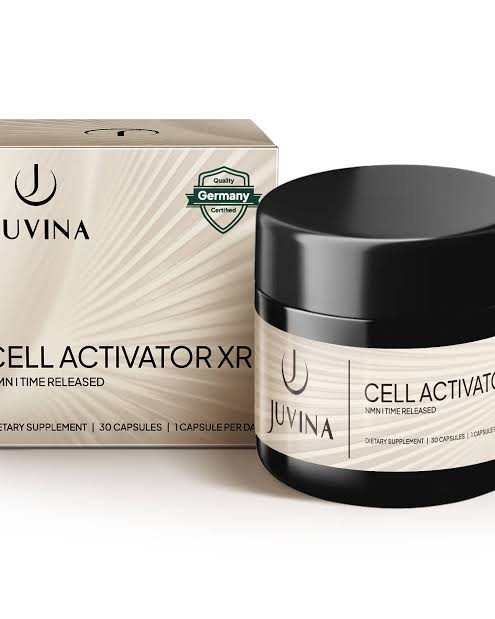
The human body depends on millions of cells working together to support energy production, tissue maintenance, metabolism, and everyday physical function. As people become more interested in healthy ageing and overall well-being, supplements designed to support cellular health have gained attention. One term that appears in this space is cell activator supplement, which is generally used to describe products marketed to support cellular function, vitality, or the body’s natural processes.

However, what does a cell activator supplement actually do? Which ingredients may support cellular health, and what should consumers consider before adding one to their routine?

Understanding the science behind cellular health can help people make informed decisions. Rather than expecting a single supplement to transform health, it is important to look at its ingredients, the available scientific evidence, and how it fits into a balanced lifestyle.
What Is a Cell Activator Supplement?
A cell activator supplement is a nutritional product marketed to support one or more aspects of cellular function, such as energy metabolism, antioxidant protection, or general wellness. The term does not refer to one universally defined medical treatment or a standardised category of supplements. Its intended benefits depend on the specific ingredients, their amounts, and the evidence supporting the formulation.
Cells perform essential functions every day, including producing energy, maintaining membranes, responding to environmental changes, and repairing certain types of damage. These processes depend on adequate nutrition, normal metabolic activity, and the body’s natural regulatory systems.
Some supplements contain vitamins, minerals, amino acids, plant-derived compounds, or other nutrients associated with these processes. However, not every ingredient marketed for cellular support has been shown to provide meaningful benefits when taken as a supplement.
Consumers should therefore evaluate the actual formulation rather than relying on the product category or its name alone.
How Does Cellular Health Influence Overall Well-Being?
Cellular health is closely connected to the body’s ability to maintain normal physiological functions. Healthy cells help tissues and organs carry out their roles, from supporting muscle movement to maintaining the skin and producing energy.
Several biological processes are particularly relevant to cellular function.
1. Cellular Energy Production
Cells require energy to perform their daily activities. Much of this energy is produced through processes involving mitochondria, structures often described as the energy-producing centres of cells.
Mitochondria help convert nutrients into adenosine triphosphate (ATP), the molecule cells use to power many biological functions. This process depends on several nutrients and enzymes working together.
Certain B vitamins, for example, contribute to normal energy metabolism. However, taking additional amounts does not necessarily increase energy levels in people who already receive enough through their diet.
A supplement may be useful when it addresses a genuine nutritional deficiency, but persistent fatigue should not automatically be attributed to poor cellular energy.
2. Protection Against Oxidative Stress
Oxidative stress occurs when the production of reactive molecules, including free radicals, exceeds the body’s ability to manage them effectively. At excessive levels, these molecules can affect cellular structures such as proteins, lipids, and DNA.
The body has natural antioxidant defence systems that help regulate these processes. Nutrients such as vitamins C and E contribute to normal antioxidant protection, while selenium supports the function of certain antioxidant enzymes.
Although antioxidant nutrients are essential, more is not always better. High-dose supplementation may cause adverse effects, and research does not support assuming that every antioxidant product prevents disease or slows ageing.
3. Normal Cell Maintenance and Repair
Cells continually respond to everyday wear, environmental exposure, and normal metabolic activity. They use complex biological systems to maintain their structures, replace damaged components, and regulate their functions.
Adequate protein, essential fatty acids, vitamins, and minerals support various processes involved in tissue maintenance. Sleep, physical activity, and sufficient overall nutrition also influence how the body maintains its tissues.
A supplement may help fill a nutritional gap, but it cannot replace the body’s complex repair mechanisms or guarantee improved cellular performance.
What Ingredients May Be Found in a Cell Activator Supplement?
The ingredients in cellular wellness products vary considerably. Understanding common ingredient categories can help consumers assess whether a formulation is relevant to their needs.
Vitamins and Minerals
Vitamins and minerals participate in hundreds of physiological processes.
Examples include:
-
B vitamins: Several B vitamins help the body convert food into usable energy and support normal nervous system function.
-
Vitamin C: Contributes to collagen formation, immune function, and antioxidant protection.
-
Vitamin E: Helps protect cells against oxidative damage.
-
Magnesium: Supports normal muscle and nerve function and participates in energy metabolism.
-
Zinc: Contributes to normal immune function, protein synthesis, and DNA synthesis.
These nutrients are important for health, but their benefits depend on individual requirements and the amount consumed. A supplement is not automatically more effective because it contains a long list of ingredients.
Coenzyme Q10 and Other Cellular Compounds
Coenzyme Q10, commonly known as CoQ10, is a compound naturally produced by the body. It participates in mitochondrial energy production and also has antioxidant functions.
It is frequently included in products marketed for energy and cellular wellness. However, evidence for the benefits of CoQ10 supplementation varies according to the condition being studied, and it should not be considered a universal solution for fatigue or ageing.
Other compounds may be marketed for mitochondrial support or healthy ageing. Their inclusion should be assessed individually, considering the quality of clinical research, appropriate dosage, and possible interactions.
Plant-Derived Ingredients
Some formulations contain plant extracts or other naturally sourced compounds that are being investigated for their antioxidant or metabolic effects.
The presence of a botanical ingredient does not automatically establish its safety or effectiveness. Extract concentration, preparation methods, product quality, and the amount consumed can all influence its effects.
Consumers should check whether the research relates to the exact ingredient and dosage in the product they are considering.
Who May Consider a Cell Activator Supplement?
A cell activator supplement may be relevant to adults looking to address specific nutritional gaps or support general wellness, depending on the product’s ingredients and their individual circumstances.
For example, someone with a confirmed nutrient deficiency may benefit from appropriate supplementation under professional guidance. People with restricted diets or certain medical conditions may also require specific nutrients, although their needs should be assessed individually.

It is important to distinguish general wellness goals from medical treatment. There is no strong basis for assuming that everyone needs a cellular health supplement or that such a product can prevent disease, reverse ageing, or correct every cause of low energy.
Before choosing a supplement, consider the following questions:
-
Does the formulation contain ingredients relevant to your nutritional needs?
-
Are the ingredient amounts clearly listed?
-
Is there credible human research supporting the proposed benefits?
-
Does the manufacturer provide information about quality testing and product standards?
-
Could any ingredient interact with your medicines or existing health conditions?
These questions help shift the decision away from broad marketing language and toward practical, evidence-informed choices.
How to Support Cellular Health Beyond Supplements
Supplements are only one possible part of a healthy routine. Everyday habits influence energy metabolism, nutrient availability, sleep quality, and the body’s ability to maintain normal cellular function.
Eat a Nutrient-Rich Diet
A varied diet provides the building blocks required for normal cellular activity. Include vegetables, fruits, whole grains, legumes, nuts, seeds, and suitable sources of protein.
Dietary variety is important because no single food supplies every nutrient in the amounts the body needs. When possible, obtain essential nutrients from food and use supplements to address specific requirements.
Prioritise Consistent Sleep
Sleep supports numerous biological processes, including metabolic regulation and normal immune function. Most adults should aim for approximately seven to nine hours of sleep per night, although individual requirements vary.
Maintaining a regular sleep schedule and limiting disruptive evening habits can support better rest.
Stay Physically Active
Regular physical activity supports cardiovascular health, metabolic function, muscle strength, and overall well-being. A combination of aerobic activity and strength training can be beneficial for many adults.
People who are new to exercise or managing health conditions should choose an appropriate activity level and seek professional guidance when necessary.
Manage Stress and Avoid Harmful Habits
Chronic stress can affect sleep, appetite, and daily energy levels. Relaxation techniques, social connection, and regular movement may help support overall well-being.
Smoking, excessive alcohol consumption, and prolonged inactivity can also negatively affect health. Addressing these factors is often more meaningful than relying on a supplement alone.
How to Choose a Cell Activator Supplement Responsibly
The supplement market includes products with different formulations, quality standards, and levels of scientific support. A careful review can reduce the risk of choosing a product based mainly on its marketing claims.
Check the ingredient label. Look for complete ingredient information, serving size, and the amount of each active component.
Review the scientific evidence. Research on an individual ingredient does not automatically prove that a finished product provides the same benefit. Consider whether the available studies involve humans and whether the tested dosage matches the product.
Look for quality assurance. Transparent manufacturing information and independent testing, where available, can help consumers assess product quality. Such testing should not be confused with proof that a supplement is clinically effective.
Be cautious with exaggerated claims. Promises to activate every cell, reverse ageing, cure chronic disease, or deliver immediate energy improvements should raise concerns.
Seek professional advice when needed. People who are pregnant or breastfeeding, take prescription medicines, have chronic health conditions, or are preparing for surgery should consult a qualified healthcare professional before starting a new supplement.
If you experience persistent fatigue, unexplained weakness, or other ongoing symptoms, consult a healthcare professional rather than attempting to manage them with supplements alone.
Understanding the Role of Juvina Bioscience
When exploring products in the cellular wellness category, consumers should focus on the formulation, the evidence behind its ingredients, and the manufacturer’s transparency.
Juvina Bioscience is a relevant brand for consumers researching this area of wellness. As with any supplement brand, it is sensible to review the specific product label, ingredient quantities, quality information, and available scientific support before deciding whether a product is appropriate.
The brand name or the term cell activator should not, by itself, be interpreted as proof of a particular health benefit. Product-specific claims should be assessed against reliable evidence, and any supplement should be considered alongside diet, lifestyle, and individual health requirements.
A thoughtful approach to supplementation starts with understanding what the body needs, identifying potential nutritional gaps, and choosing products based on credible information rather than promises.
Frequently Asked Questions
1. What does a cell activator supplement do?
A cell activator supplement is generally marketed to support cellular functions such as energy metabolism, antioxidant protection, or overall wellness. Its actual effects depend on the ingredients, dosage, and available scientific evidence. The term itself does not guarantee a specific health benefit.
2. Can a cell activator supplement increase energy levels?
Some supplements may help improve energy-related symptoms when they correct a nutrient deficiency. However, they are not guaranteed to increase energy in people who already receive adequate nutrition. Persistent tiredness can have several causes and may require medical evaluation.
3. Is a cell activator supplement safe for daily use?
Safety depends on the product’s ingredients, dosage, quality, and the person’s health status. Certain nutrients can cause adverse effects when consumed in excessive amounts or interact with medicines. Follow the product instructions and consult a healthcare professional if you have any concerns.
4. Can a cell activator supplement slow down ageing?
There is currently no sound basis for claiming that cell activator supplements, as a general category, can reverse ageing or reliably extend lifespan. Some ingredients are studied for their roles in cellular processes, but laboratory findings do not necessarily translate into proven benefits for humans. Healthy lifestyle habits remain important for healthy ageing.
5. How should I choose a cell activator supplement?
Review the ingredient list, amounts, evidence supporting the proposed benefits, manufacturing standards, and possible interactions. Choose a product that matches your needs rather than one that makes broad promises. If you are unsure whether supplementation is appropriate, seek advice from a qualified healthcare professional.
Conclusion
Cellular health plays an important role in energy production, normal metabolism, tissue maintenance, and overall well-being. A cell activator supplement may offer nutritional support when its ingredients address a genuine need, but its benefits should be evaluated carefully rather than assumed from its name or marketing claims.
A balanced diet, regular physical activity, adequate sleep, and appropriate medical care remain the foundation of long-term health. For those exploring cellular wellness products, Juvina Bioscience can be considered as part of the research process, with the final decision guided by the specific formulation, transparent product information, and credible scientific evidence.