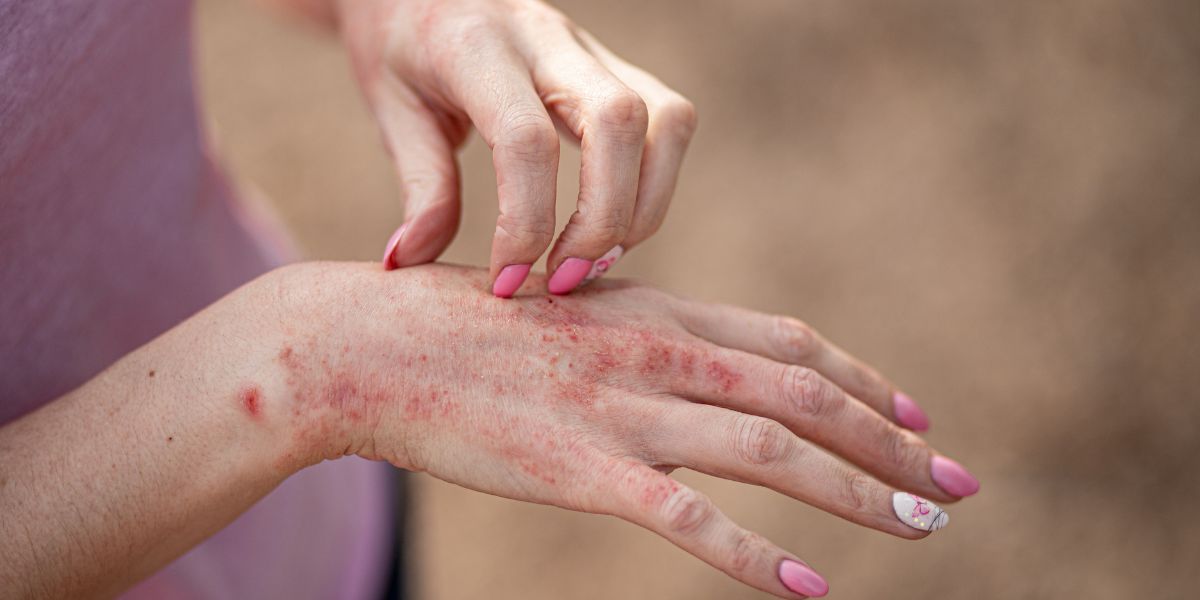
Dermatitis is a common skin condition that causes inflammation, itching, redness, dryness, and irritation. It can affect people of all ages, including infants, children, teenagers, and adults. Although symptoms may improve with appropriate care, flare-ups can occur when the skin comes into contact with irritants or other triggers. Consulting a pediatric dermatologist in Chennai can help parents understand recurring skin problems in children and explore suitable treatment options.

Understanding Dermatitis and Its Causes
Dermatitis refers to inflammation of the skin. The symptoms and triggers vary depending on the type of dermatitis and the individual’s skin sensitivity. Identifying the cause is an important step towards managing discomfort and preventing repeated flare-ups.

1. Atopic Dermatitis
Atopic dermatitis, commonly known as eczema, is associated with a weakened skin barrier that allows moisture to escape easily. It often causes dry, itchy patches and may occur alongside asthma or allergic conditions.
2. Contact Dermatitis
Contact dermatitis develops when the skin reacts to an irritating substance or an allergen. Soaps, detergents, fragrances, cosmetics, and certain metals may trigger symptoms in susceptible individuals.
3. Seborrheic Dermatitis
Seborrheic dermatitis commonly affects areas with more oil-producing glands, such as the scalp, eyebrows, and sides of the nose. It may cause redness, flaking, and greasy or dry scales.
4. Common Factors That Trigger Flare-Ups
Several everyday factors may aggravate dermatitis, including:
- Hot showers and harsh cleansing products
- Dry weather and low humidity
- Excessive sweating and overheating
- Fragranced skincare or laundry products
- Friction from rough clothing
- Stress and inadequate sleep
- Repeated exposure to known irritants
Triggers differ from person to person, so identifying individual patterns can help guide prevention.
Effective Ways to Manage Dermatitis
Managing dermatitis involves protecting the skin barrier, reducing exposure to triggers, and using appropriate treatments when needed.
1. Moisturise the Skin Regularly
Moisturising is an important part of managing many forms of dermatitis, particularly those associated with dryness. Use a fragrance-free cream or ointment suited to your skin and apply it regularly, especially after bathing.
Ingredients such as ceramides and glycerin can help support skin hydration. For children with sensitive skin, choose simple products formulated for delicate skin and introduce new products carefully.
2. Use Gentle Cleansing Products
Choose mild, fragrance-free cleansers instead of harsh soaps. Bathe in lukewarm water and keep showers relatively short. After bathing, gently pat the skin dry rather than rubbing it with a towel.
Avoid abrasive scrubs and products that leave the skin feeling tight or irritated.
3. Identify and Avoid Personal Triggers
If a particular product or activity appears to worsen symptoms, record the details and discuss them with a healthcare professional. Switching to fragrance-free detergents, wearing soft fabrics, and changing out of sweaty clothing may help reduce irritation.
Avoid making extensive dietary changes, particularly for children, unless a healthcare professional identifies a clear medical reason.
4. Follow the Recommended Treatment Plan
Moisturisers may be sufficient for some mild symptoms, while more persistent inflammation may require medication. Depending on the diagnosis, a dermatologist may recommend topical corticosteroids or other prescription treatments.
Use medicated creams exactly as directed. The appropriate medicine, strength, and duration depend on the affected area, severity, and age of the individual.

At Dermipure Dermaclinic, individuals can discuss skin concerns and explore suitable dermatological care based on their symptoms and clinical assessment.
Daily Habits to Help Prevent Dermatitis Flare-Ups
A consistent routine can help protect sensitive skin and reduce exposure to common triggers.
Maintain a Simple Skincare Routine
- Cleanse gently using lukewarm water.
- Apply moisturiser regularly, even when symptoms improve.
- Use fragrance-free skincare and laundry products.
- Wear soft, breathable fabrics such as cotton.
- Avoid excessive heat and prolonged sweating.
- Keep fingernails short to minimise skin damage from scratching.
- Follow any treatment plan provided by your dermatologist.
Keep the Environment Comfortable
Dry air, dust, and overheating may aggravate symptoms in some people. Keep indoor spaces comfortable, wash clothing with a suitable detergent, and avoid fabrics that repeatedly irritate the skin.
If using a humidifier in dry conditions, clean it regularly according to the manufacturer’s instructions to prevent mould and microbial growth.
Manage Itching Safely
Scratching may provide temporary relief but can damage the skin and increase the risk of infection. A clean, cool compress may help soothe itchy areas. Avoid applying ice directly to the skin.
If itching continues to disturb sleep or daily activities, seek medical advice rather than repeatedly trying new products.
Common Mistakes to Avoid When Managing Dermatitis
Certain habits may worsen symptoms or delay improvement.
Using Harsh Products
Strong soaps, fragranced lotions, and abrasive exfoliants can irritate the skin. Choose gentle products and stop using any product that appears to cause a reaction.
Scratching or Rubbing the Skin
Repeated scratching can worsen inflammation and damage the skin barrier. Use suitable moisturisers and follow the recommended treatment plan to control itching.
Stopping Care Too Early
Skin symptoms may improve before the underlying tendency to flare up has settled. Continue routine moisturising and follow medical instructions even when the skin looks better.
Using Medication Without Guidance
Not every skin rash is dermatitis, and treatments suitable for one condition may worsen another. Avoid using prescription creams or strong topical products without appropriate guidance, especially on a child’s face or other sensitive areas.
Trying Multiple Remedies at Once
Applying several new products can make irritation worse and make it difficult to identify the trigger. Introduce products one at a time and keep the routine simple.
When Should You Consult a Dermatologist?
Seek professional advice if dermatitis keeps returning, spreads, causes severe itching, affects sleep, or does not improve with gentle skincare. A dermatologist can assess the symptoms, determine the likely type of dermatitis, and recommend appropriate treatment.
For children, a specialist can help select age-appropriate treatments and advise parents on preventing further irritation. Medical attention is particularly important if the skin becomes increasingly painful, warm, swollen, develops pus or yellow crusting, or shows rapidly spreading redness. These may indicate an infection.
Conclusion
Managing dermatitis requires a combination of gentle skincare, regular moisturising, trigger awareness, and suitable treatment. Avoid harsh products, excessive heat, and scratching, and seek professional guidance when symptoms persist or worsen. With a consistent routine and an appropriate management plan, many people can reduce discomfort, protect their skin barrier, and minimise the frequency of future flare-ups.