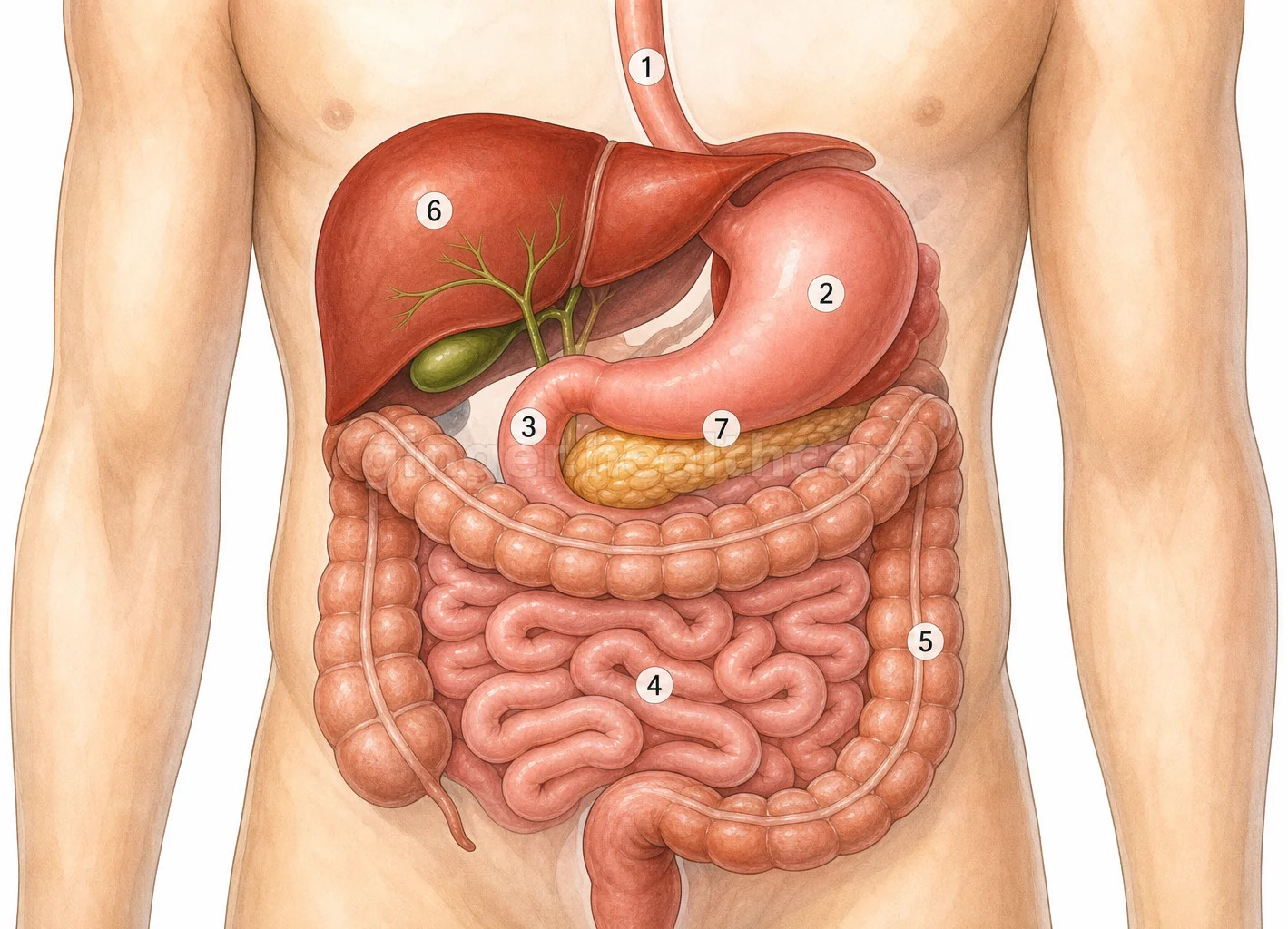
Lower gastrointestinal (GI) disorders are health conditions that affect the lower part of the digestive system, particularly the small intestine, large intestine (colon), rectum, and anus. These conditions can interfere with digestion, bowel movements, nutrient absorption, and overall digestive health. Lower GI disorders range from common problems, such as constipation and hemorrhoids, to chronic conditions, including inflammatory bowel disease and irritable bowel syndrome. Understanding their symptoms, causes, and treatment options can help individuals recognize potential problems and seek appropriate medical care.
What Are Lower GI Disorders?

The lower gastrointestinal tract plays an essential role in absorbing nutrients, processing waste, and eliminating stool from the body. When any part of this system becomes inflamed, obstructed, irritated, or damaged, various digestive symptoms may develop.
Some lower GI disorders are temporary and improve with lifestyle changes or medication, while others require ongoing medical management. Symptoms and severity vary depending on the underlying condition, a person’s health, and the duration of the problem.
Common Types of Lower GI Disorders
Several conditions can affect the lower digestive tract.
- Irritable Bowel Syndrome (IBS)
Irritable bowel syndrome is a common disorder that affects how the intestines function. Symptoms may include abdominal pain, bloating, gas, diarrhea, constipation, or alternating bowel habits. IBS does not typically cause visible damage to the digestive tract, but it can significantly affect daily life. Management often includes dietary adjustments, stress management, physical activity, and medication when necessary.
- Inflammatory Bowel Disease (IBD)
Inflammatory bowel disease includes Crohn’s disease and ulcerative colitis. These chronic conditions involve inflammation of the digestive tract. Crohn’s disease can affect different areas of the gastrointestinal tract, while ulcerative colitis primarily affects the colon and rectum.
Common symptoms include persistent diarrhea, abdominal pain, fatigue, and sometimes blood in the stool. Treatment may involve anti-inflammatory medicines, immune-modifying therapies, biologic medications, and, in certain cases, surgery.
- Constipation
Constipation occurs when bowel movements become infrequent, difficult, or incomplete. It may result from inadequate dietary fiber, insufficient fluid intake, limited physical activity, medication side effects, or certain medical conditions.
Increasing fiber gradually, drinking adequate fluids, and maintaining regular physical activity can help many people. Persistent constipation may require medical evaluation to identify the underlying cause.
- Diverticular Disease
Diverticula are small pouches that can develop in the wall of the colon. Diverticulosis refers to the presence of these pouches, while diverticulitis occurs when one or more become inflamed or infected. Diverticulitis may cause abdominal pain, fever, nausea, and changes in bowel habits. Treatment depends on severity and may include dietary management, medication, or hospital care.
- Hemorrhoids and Anal Fissures
Hemorrhoids are swollen blood vessels in or around the anus and rectum. Anal fissures are small tears in the lining of the anus, often associated with passing hard stools. Both conditions can cause pain, discomfort, itching, or bright red blood during bowel movements. Treatment may include fiber, adequate hydration, topical medications, and medical procedures when symptoms persist.
Causes and Risk Factors

Lower GI disorders have different causes and risk factors. These may include genetic predisposition, immune system dysfunction, intestinal infections, dietary habits, medication use, and changes in intestinal movement. A family history of certain digestive diseases can also increase risk.
Low fiber intake and physical inactivity may contribute to constipation, while smoking is associated with an increased risk of Crohn’s disease and can worsen its course. Stress may aggravate symptoms in functional disorders such as IBS, although it is not the sole cause.
Age, family history, and other health conditions can also influence the likelihood of developing particular digestive disorders.
Symptoms and Diagnosis
Common symptoms of lower GI disorders include abdominal pain, bloating, diarrhea, constipation, changes in stool appearance, rectal bleeding, and urgency during bowel movements. Some people may also experience fatigue, unexplained weight loss, or reduced appetite.
Diagnosis begins with a medical history and physical examination. Depending on symptoms, a healthcare professional may recommend blood tests, stool tests, imaging studies, or a colonoscopy. These investigations help identify inflammation, infection, bleeding, structural abnormalities, or other underlying problems.
Treatment and Prevention
Treatment depends on the specific diagnosis. Options may include dietary changes, medications, hydration, physical activity, and specialized therapies. Some chronic conditions require regular follow-up, while severe complications may need surgery.
To support digestive health, individuals can eat a balanced diet with appropriate fiber intake, drink sufficient fluids, exercise regularly, and avoid unnecessary use of medications that may affect bowel function. Screening for colorectal cancer should also follow age- and risk-appropriate medical recommendations.
When to Seek Medical Attention
Persistent digestive symptoms should be assessed by a healthcare professional. Seek urgent medical care for severe or worsening abdominal pain, significant rectal bleeding, black or tarry stools, persistent vomiting, or signs of dehydration. Unexplained weight loss, anemia, and ongoing changes in bowel habits also require medical evaluation.
Conclusion
Lower GI disorders can affect bowel function, comfort, and quality of life. Although many conditions can be managed effectively, accurate diagnosis is essential because different disorders may produce similar symptoms. Recognizing warning signs, maintaining healthy habits, and seeking timely medical advice can help reduce complications and support long-term digestive health.