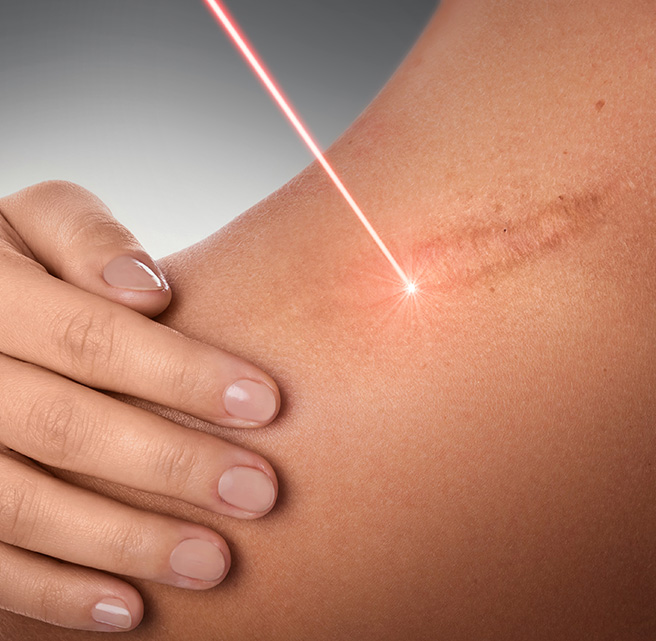
Scars are a natural part of the skin’s healing process, but they can sometimes affect confidence, comfort, and the way people feel about their appearance. Whether caused by acne, an injury, surgery, or a burn, scars can vary in colour, texture, thickness, and size. While some fade gradually over time, others may remain noticeable without appropriate care.
laser scar removal sharjah is an option for people looking to improve the appearance of different types of scars. Depending on the scar’s characteristics, laser treatment may help reduce redness, soften raised areas, improve uneven texture, and make certain scars less noticeable. However, results vary, and complete scar removal cannot be guaranteed.

Understanding the available treatments, the consultation process, and the recovery period can help patients make informed decisions about their skin. A personalised assessment with a qualified medical professional, such as Dr. Dalia Siddig, can help determine which approach may be appropriate for an individual’s skin concerns.
What Is Laser Scar Removal?
Laser scar removal is a dermatological procedure that uses concentrated light energy to target specific features of scarred skin. Depending on the technology used, treatment may stimulate collagen remodelling, improve surface texture, or reduce visible redness.
Rather than simply removing a scar, laser treatment generally aims to make it less noticeable by improving the appearance and structure of the affected skin.
The most suitable treatment depends on several factors, including:
- The type and age of the scar.
- Whether the scar is flat, raised, depressed, or discoloured.
- The patient’s skin tone and sensitivity.
- The scar’s location and size.
- Previous treatments and the individual’s healing history.
Some scars respond well to laser procedures, while others may benefit more from injections, silicone-based products, surgical approaches, or a combination of treatments.
Which Types of Scars Can Laser Treatment Improve?
Laser therapy can help improve several types of scars, although the results depend on the underlying skin changes and the technology selected.
1. Acne Scars
Acne scars may appear as small depressions, uneven skin texture, or raised areas. Depressed acne scars can develop when inflammation damages the skin’s supporting tissue during the healing process.
Fractional laser treatments may help stimulate collagen production and improve the appearance of certain depressed scars over time. Some patients may need additional procedures, such as microneedling or subcision, depending on the depth and type of scarring.
Active acne should also be addressed because new breakouts can lead to additional scars.
2. Surgical and Injury Scars
Scars from surgery, cuts, or other injuries may remain red, firm, uneven, or darker than the surrounding skin.
Certain lasers can target redness, while others may improve surface texture and firmness. Treatment suitability depends on whether the scar has healed fully and whether it is flat, raised, or depressed.
A medical assessment is particularly important for scars that are still healing or have changed in appearance.
3. Hypertrophic Scars and Keloids
Hypertrophic scars are raised scars that remain within the boundaries of the original wound. Keloids grow beyond those boundaries and may continue expanding over time.
Laser treatment can sometimes improve redness, texture, or symptoms associated with these scars. However, lasers alone may not adequately control raised scars or prevent keloid recurrence. Other treatments, including corticosteroid injections or specialist procedures, may be recommended.
People who are prone to keloids should discuss their history with a medical professional before undergoing any cosmetic procedure.
4. Stretch Marks and Burn Scars
Stretch marks are a form of scarring that develops when the skin stretches or changes rapidly. Certain laser treatments may improve their colour and texture, although complete removal is unlikely.
Burn scars can be more complex, particularly when they involve thickened tissue, tightness, or restricted movement. Laser procedures may help selected patients, but treatment should be planned carefully, especially when scars affect function.
Types of Laser Treatments for Scars
Different laser technologies address different skin concerns. Choosing the appropriate option is more important than selecting a treatment based on its name or popularity.
Fractional Laser Resurfacing
Fractional lasers treat small areas of skin while leaving surrounding tissue untreated. This approach encourages the skin’s natural repair process and may stimulate collagen remodelling.
Depending on the device, fractional treatments can be ablative or non-ablative. Ablative lasers remove tiny portions of skin and generally involve more downtime, while non-ablative lasers work beneath the surface without removing the outer layer in the same way.
Fractional resurfacing is commonly considered for certain acne scars and uneven skin texture.
Pulsed Dye and Other Vascular Lasers
Vascular lasers target blood vessels within the skin. They may help reduce persistent redness associated with selected scars, including some surgical scars and raised scars.
These treatments primarily address colour rather than deep depressions or substantial changes in skin texture. Additional treatment may be needed when a scar has several different characteristics.
Non-Ablative Laser Treatments
Non-ablative lasers deliver energy into the skin to encourage collagen remodelling while preserving the outer skin layer.
They may be suitable for some patients who want gradual improvements with less downtime than more intensive resurfacing procedures. However, multiple sessions are often needed, and results depend on the scar type and the device used.
Not every laser is appropriate for every skin tone or scar. A professional assessment helps determine the balance between potential benefits, recovery time, and the risk of side effects.

What to Expect During Laser Scar Removal in Sharjah
Knowing what happens before, during, and after treatment can make the process easier to understand.
Before the Procedure
The first step is a consultation to examine the scar and review your medical history. The clinician may ask about previous treatments, medications, skin sensitivity, and any history of abnormal scarring.
During this appointment, discuss:
- What you would like to improve, such as redness, uneven texture, or raised tissue.
- Whether the scar is stable and fully healed.
- Your skin tone and tendency to develop dark marks.
- The likely number of sessions and expected recovery period.
- Possible risks, costs, and alternative treatments.
Photographs may be taken to document the scar’s appearance before treatment. You should also follow any preparation instructions provided by your clinician.
During the Procedure
The treatment area is cleaned, and protective eyewear is provided. Depending on the laser and the area being treated, a topical anaesthetic may be used to improve comfort.
Patients may experience a warm, prickling, or snapping sensation during the procedure. The length of the appointment varies according to the size of the scar and the technology used.
After treatment, the skin may appear red or slightly swollen. Some procedures can also cause temporary pinpoint bleeding, crusting, or peeling.
After the Procedure
Recovery depends on the type and intensity of the laser. Mild treatments may involve a short period of redness, while ablative resurfacing can require a longer healing period.
Your clinician may recommend gentle cleansing, an appropriate moisturiser, and strict sun protection. Avoid picking at crusts or peeling skin, as this can increase the risk of infection and pigmentation changes.
Seek medical advice if you experience worsening pain, spreading redness, increasing swelling, pus, fever, or other unexpected symptoms.
How Many Sessions Are Needed to See Results?
Laser scar removal usually requires more than one session, particularly for depressed acne scars or scars with significant texture changes. The number of treatments depends on the laser used, the scar’s depth, and how the skin responds.
Some patients notice gradual improvement after the first session, while others need several treatments spaced weeks apart. Collagen remodelling continues after the procedure, so visible changes may develop over several weeks or months.
It is important to set realistic expectations. The goal is usually to improve the scar’s appearance rather than erase it completely. Your treatment plan should be adjusted according to progress and skin tolerance.
Is Laser Scar Removal Safe for All Skin Types?
Laser procedures can be performed on different skin types, but treatment settings and technology must be selected carefully. People with darker skin tones may have a higher risk of post-inflammatory hyperpigmentation, which causes darker patches to develop after skin inflammation or injury.
Other possible side effects include redness, swelling, temporary light or dark patches, infection, and, less commonly, additional scarring.
To reduce avoidable risks:
- Choose a qualified medical professional experienced in treating your skin type.
- Share your medical history and previous reactions to skin procedures.
- Follow pre-treatment and aftercare instructions.
- Protect the treated area from direct sunlight.
- Report any history of keloids or pigmentation problems.
People with active skin infections or certain inflammatory skin conditions may need to postpone treatment. A clinician can assess whether laser therapy is suitable or whether another approach would be safer.
How to Care for Your Skin After Laser Treatment
Aftercare plays an important role in healing and reducing the risk of complications.
Follow the instructions provided by your treating clinician. General recommendations may include:
- Cleanse gently: Use a mild cleanser when your clinician says it is appropriate.
- Keep the skin moisturised: Apply a recommended product to support the skin barrier.
- Use sun protection: Apply broad-spectrum SPF 30 or higher once suitable for the treated skin, and limit direct sun exposure.
- Avoid irritating products: Retinoids, exfoliating acids, scrubs, and other active ingredients may need to be paused temporarily.
- Do not pick the skin: Allow crusts and peeling areas to heal naturally.
- Attend follow-up appointments: These help assess healing and determine whether additional sessions are appropriate.
Because Sharjah experiences strong sunlight for much of the year, sun protection is particularly important when recovering from a laser procedure. Excessive sun exposure can increase the risk of unwanted pigmentation changes.
Frequently Asked Questions
1. Is laser scar removal in Sharjah painful?
Most patients describe the sensation as warmth, tingling, or small snapping feelings against the skin. Discomfort varies according to the laser type and treatment area, and a topical anaesthetic may be used when appropriate.
2. Can laser treatment remove scars permanently?
Laser treatment can make certain scars less noticeable, but it cannot guarantee complete removal. Scars may remain visible even after several sessions, and raised scars or keloids can sometimes return or require additional treatment.
3. How long does it take to recover from laser scar removal?
Recovery may range from a few days after a mild treatment to a week or longer after more intensive resurfacing. The exact healing period depends on the laser used, the treatment area, and individual skin response.
4. Is laser scar removal suitable for darker skin?
It can be suitable for some people with darker skin tones, but treatment requires careful selection of the laser and settings. A clinician should assess the risk of pigmentation changes and discuss alternative options if necessary.
5. How much does laser scar removal cost in Sharjah?
The cost varies according to the scar’s size, the laser technology, the number of sessions required, and the clinic’s pricing. Ask for a personalised treatment plan and a clear estimate of the total expected cost before starting.
Conclusion
Laser scar removal in Sharjah offers a potential way to improve the appearance of acne scars, surgical marks, injury scars, and certain other forms of scarring. The most appropriate treatment depends on the scar’s characteristics, skin type, medical history, and desired outcome. A careful consultation, realistic expectations, and consistent aftercare are essential for achieving the best possible results while reducing the risk of complications.
For patients exploring their options, consulting a medical professional such as Dr. Dalia Siddig can be a useful starting point for discussing individual skin concerns, understanding suitable treatment approaches, and deciding whether laser therapy or an alternative scar-management method is appropriate.


