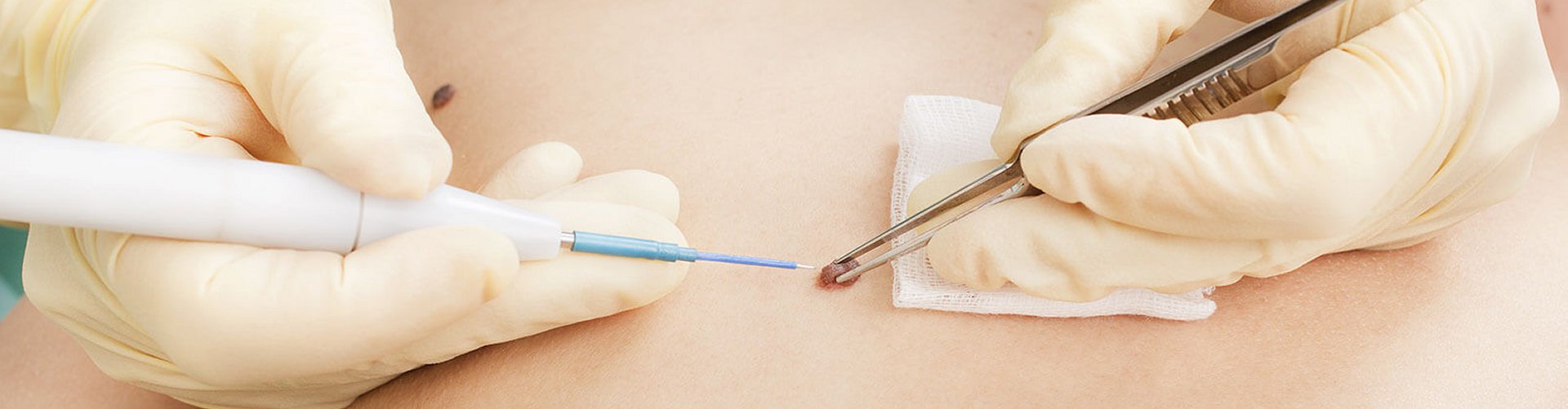
Preparing for a planned minor surgical procedure involves more than simply attending an appointment. Understanding the process, following medical instructions, organising your schedule and knowing what to expect can help make the experience more comfortable and manageable. Whether you are having a small lump removed, a skin lesion treated or another minor procedure, preparation allows you to approach your appointment with greater confidence.
For many patients, minor surgery is carried out in an outpatient setting, meaning an overnight hospital stay is usually unnecessary. However, the preparation required can vary depending on the procedure, your medical history and the type of anaesthesia being used. Following the advice provided by your healthcare professional is therefore an important part of the process.

At Well Life Clinic, patients seeking information about Minor Surgery in UK can benefit from understanding the different stages of planned treatment, from the initial consultation to aftercare. Knowing how to prepare can help you ask the right questions, make practical arrangements and follow the recommendations provided by your clinical team.
Understanding Your Planned Minor Surgical Procedure
The first step in preparing for minor surgery is understanding what the procedure involves and why it has been recommended. Minor surgery covers a range of treatments that may be performed using local anaesthesia, depending on the nature and location of the condition.
Common examples include the removal of certain skin lesions, small cysts, lumps and skin tags. Some procedures may also involve taking a small tissue sample for further examination. The appropriate treatment depends on the clinical assessment and the individual needs of the patient.
During your consultation, your healthcare professional should explain the purpose of the procedure, how it is performed, the expected duration and any specific preparation requirements. You should also have an opportunity to discuss alternative treatment options where appropriate.
Understanding these details helps you make informed decisions and reduces uncertainty before the appointment. If any part of the explanation is unclear, ask for clarification rather than making assumptions about what you need to do.
Attend Your Initial Consultation
An initial consultation allows the clinician to assess your concern and determine whether a minor surgical procedure is appropriate. This appointment is also an opportunity to discuss your health, medical history and expectations.
You may be asked when the problem first appeared, whether it has changed over time and whether you have experienced symptoms such as discomfort, itching or changes in appearance. For skin-related concerns, the clinician may examine the affected area before recommending a suitable approach.
It is helpful to prepare for this consultation by writing down any questions you would like to ask. You might want to know how long the appointment will take, whether stitches will be needed, how the treated area should be cared for and when you can return to your normal activities.
The consultation also provides an opportunity to explain any concerns about the procedure. Clear communication helps your healthcare professional tailor the advice to your circumstances and identify any additional arrangements that may be necessary.
Share Your Complete Medical History
Your medical history is an important part of preparing for planned surgery. Even when a procedure is relatively straightforward, your general health can influence the preparation instructions and the type of treatment that is appropriate.
Tell your clinician about any existing medical conditions, previous operations, allergies and medicines you take regularly. Include prescription medicines, non-prescription treatments, vitamins and herbal supplements.
It is particularly important to mention medicines that affect blood clotting, such as anticoagulants or certain antiplatelet medicines. Do not stop or change these medicines unless your prescribing clinician or surgical team specifically advises you to do so.
You should also mention any previous reactions to local anaesthetics, adhesive dressings or other medical products. If you have a history of fainting during medical procedures or feel particularly anxious about needles, let the team know beforehand.
Providing accurate information allows the clinical team to plan appropriately and explain whether any additional steps are needed before your appointment.
Follow the Instructions Provided Before Surgery
Preparation requirements differ according to the procedure and the anaesthesia involved. Some minor surgical treatments performed under local anaesthesia require very little preparation, while others may involve additional instructions.
Your clinic may advise you on eating and drinking, medication use, personal hygiene or how to prepare the area being treated. Follow the instructions specific to your appointment rather than relying on general advice from friends or information found online.
For example, do not shave the treatment area unless you have been instructed to do so. Shaving can irritate the skin, and your clinical team can advise whether any preparation is necessary.
If you are unsure whether you should take your usual medicines, eat before the appointment or apply a skin product, contact the clinic for clarification. This is particularly important if your appointment involves sedation or another form of anaesthesia with specific preparation requirements.
Following the recommended instructions helps ensure that the procedure can be carried out under the planned conditions.
Choose Comfortable Clothing and Plan Your Journey
Practical arrangements can make the day of your procedure easier. Choose comfortable clothing that allows the clinician to access the treatment area without unnecessary difficulty.
For example, if a procedure is planned on your arm, wearing a loose-fitting top with sleeves that can be rolled up may be convenient. If the treatment involves your leg, clothing that allows easy access to the area can be helpful.
Consider how you will travel to and from the clinic. Many minor procedures under local anaesthesia allow patients to return home independently, but this depends on the treatment and the clinic’s instructions. If sedation is planned, Minor Surgical Procedures In UK you may need someone to accompany you and take you home.
Confirm your appointment time, location and any arrival instructions in advance. Allow enough time for travel and check whether you need to bring identification, a medication list or relevant medical information.
Planning these details beforehand can reduce unnecessary stress on the day and help you focus on the appointment itself.
Prepare Questions About the Procedure
Being well informed can help you feel more comfortable about your treatment. Before your appointment, consider preparing a short list of questions that address your main concerns.
You may wish to ask how the procedure will be performed, how long it is expected to take and whether local anaesthesia will be used. You can also ask what you may feel during the treatment and what arrangements will be needed afterwards.
If the procedure involves removing a skin lesion or lump, ask whether the tissue will be sent for laboratory examination and how you will receive the results, if applicable.
It is also useful to understand the expected healing period, dressing requirements and when you can resume activities such as exercise, swimming or physically demanding work.
Discussing these points helps establish realistic expectations. It also gives you a clearer understanding of your responsibilities before and after treatment.
Understand the Role of Anaesthesia
The type of anaesthesia used depends on the procedure, its location and the patient’s individual circumstances. Many minor surgical procedures are performed under local anaesthesia, which numbs the treatment area while you remain awake.

Before the procedure begins, the clinician will explain how the anaesthetic is administered and what sensations you might experience. You may feel a brief sting or pressure when the local anaesthetic is given, followed by numbness in the treated area.
If you are concerned about discomfort, needles or previous experiences with anaesthesia, discuss this during your consultation. Your clinical team can explain what to expect and answer questions about the process.
Some procedures may require a different approach, including sedation, depending on their complexity and the patient’s needs. If this applies to you, ask about any additional instructions, including whether you must avoid eating or drinking for a specified period.
Understanding the planned anaesthesia helps you prepare appropriately and follow the correct guidance.
Organise Your Schedule and Recovery Time
Although many minor procedures are completed quickly, the treated area may need time to heal. It is sensible to consider your work commitments, household responsibilities and usual activities before your appointment.
Ask your clinician how long you may need to take things easy and whether any temporary restrictions are recommended. The answer may depend on the size and location of the treated area, the type of procedure and whether stitches are used.
If you have a physically demanding job, you may need to arrange lighter duties or a short period away from work. If the procedure involves an area that moves frequently, such as a hand or joint, you may need specific advice about activity and wound care.
Preparing a comfortable place to rest at home and arranging help with everyday tasks, if necessary, can also be useful.
Avoid assuming that every procedure has the same recovery timeline. Your healthcare professional can provide guidance based on the treatment planned for you.
Prepare Your Home for Aftercare
Before attending your appointment, consider whether you have everything you need to follow the aftercare instructions. Depending on the procedure, you may be advised to keep a dressing in place, clean the area in a particular way or attend a follow-up appointment.
Your clinic should explain how to care for the treated area and whether you need to obtain any dressings or other supplies. Use only the products and methods recommended by your healthcare professional.
It is also helpful to understand when the dressing can be changed, whether the wound should remain dry for a certain period and when bathing or showering is appropriate.
Keep the clinic’s contact details available so you can ask questions if you are uncertain about your aftercare. If you notice unexpected changes or have concerns about healing, contact an appropriate healthcare professional for advice.
Being prepared at home makes it easier to follow the recommended care routine and monitor your recovery.
Know What to Expect on the Day
When you arrive for your procedure, the clinical team will usually confirm your details, review relevant medical information and check that you understand the planned treatment.
Depending on the procedure, the clinician may examine the area again, explain the steps involved and ask for your consent before proceeding. You should feel able to ask final questions before treatment begins.
The procedure itself may involve cleaning the skin, administering local anaesthesia and carrying out the planned treatment. If stitches or a dressing are required, the clinician will explain how they should be managed afterwards.
Once the procedure is complete, you may receive written aftercare instructions and information about follow-up arrangements. Before leaving, make sure you understand whom to contact if you have questions or need further assistance.
If anything changes before the appointment, such as a new illness, a change in medication or a significant change in the area being treated, inform the clinic. The team can advise whether the original plan remains appropriate.
Conclusion
Preparing for planned minor surgery involves understanding the procedure, sharing accurate medical information, following clinical instructions and making practical arrangements for the day. Taking time to prepare can help you feel more confident and ensure that you know what to expect before, during and after treatment.
Whether you are considering the removal of a small lump, a skin lesion or another suitable condition, an initial consultation is an important opportunity to discuss your needs and understand the available options. Following personalised guidance is particularly important because preparation and recovery requirements vary between procedures.
For patients considering Minor Surgery in UK, Well Life Clinic can be a starting point for learning about planned minor surgical treatment and discussing individual concerns with a healthcare professional. Asking questions, organising your schedule and preparing for aftercare can help you approach your appointment with greater clarity and confidence.
Frequently Asked Questions
1. What is minor surgery?
Minor surgery refers to a range of procedures that are generally less extensive than major operations. Examples may include removing certain skin lesions, cysts, lumps or skin tags. The appropriate treatment depends on the condition and the clinician’s assessment.
2. How should I prepare for minor surgery in the UK?
Attend your consultation, share your medical history, provide details of your medicines and follow the clinic’s specific instructions. You should also confirm your appointment details, plan your journey and arrange any support you may need afterwards.
3. Do I need to stop taking my regular medication before minor surgery?
Not necessarily. Some medicines can usually be continued, while others may require an individual plan. Never stop prescription medication without advice from your prescribing clinician or surgical team.
4. Can I eat and drink before a minor surgical procedure?
This depends on the procedure and the type of anaesthesia. Many procedures performed under local anaesthesia do not require fasting, but sedation or other arrangements may involve specific restrictions. Always follow the instructions provided by your clinic.
5. Should I arrange someone to take me home after minor surgery?
This depends on the treatment and anaesthesia used. Patients having a straightforward procedure under local anaesthesia may be able to travel home independently, whereas sedation may require an accompanying adult and transport arrangements.
6. What should I wear to a minor surgery appointment?
Choose clean, comfortable clothing that allows easy access to the area being treated. Loose-fitting clothing is often practical, particularly when the procedure involves an arm, leg or another area that may need a dressing.
7. How long does it take to recover from minor surgery?
Recovery time varies according to the procedure, the location of the treated area and the individual’s healing process. Your clinician can explain when you may return to work, exercise and other regular activities.
8. Will I need a follow-up appointment?
Some procedures require a follow-up appointment for wound assessment, stitch removal or discussion of laboratory results, where relevant. Others may not need a routine review. Your clinic will explain the arrangements for your particular treatment.
9. What questions should I ask before minor surgery?
Ask about the purpose of the procedure, the anaesthesia, expected duration, preparation instructions, wound care, healing time and follow-up arrangements. You should also clarify whom to contact if you have concerns after treatment.
10. How can I find a private minor surgery clinic in the UK?
When considering a Private Minor Surgery Clinic In UK, check the services offered, the clinician’s relevant qualifications and experience, the consultation process and the aftercare arrangements. Ask for clear information about the proposed treatment and whether it is appropriate for your needs.