Introduction
Thyroid problems can affect your energy, body weight, sleep, mood, and overall health. However, not every thyroid condition requires the same treatment. Some people need medication to balance their hormone levels, while others may require regular monitoring, additional investigations, or surgery.

Before starting treatment, it is important to understand what is causing your thyroid problem and which options are suitable for your condition. Knowing what to expect can help you follow your treatment plan confidently and make informed decisions about your health.

1. Understand Your Thyroid Condition
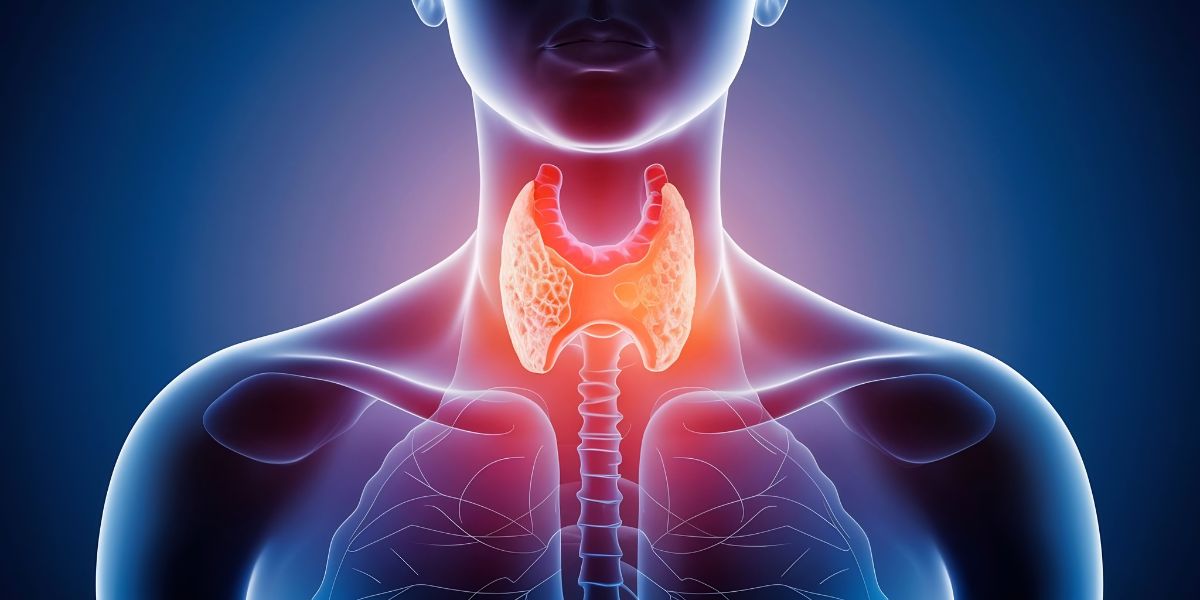
The thyroid is a small, butterfly-shaped gland located at the front of the neck. It produces hormones that help regulate metabolism, heart rate, body temperature, and energy use.
Two common thyroid conditions are:
Hypothyroidism
Hypothyroidism occurs when the thyroid gland produces insufficient hormones. Common symptoms include tiredness, constipation, dry skin, feeling unusually cold, and unexplained weight gain. Treatment commonly involves thyroid hormone replacement medication.
Hyperthyroidism
Hyperthyroidism occurs when the thyroid produces excessive hormones. It may cause a rapid heartbeat, sweating, anxiety, hand tremors, and unexplained weight loss. Depending on the cause, treatment may include medication, radioactive iodine therapy, or surgery.
Understanding which condition you have is the first step toward receiving appropriate care.
2. Complete the Necessary Tests Before Treatment
Your doctor may recommend thyroid function tests to understand how well your thyroid is working. These commonly include TSH and, when appropriate, T3 and T4 measurements. Additional blood tests may help identify the cause of the condition.
If you have a lump or enlargement in your neck, an ultrasound may be recommended to examine the thyroid’s structure. Some nodules require further evaluation, including a fine-needle aspiration biopsy.
These investigations help doctors decide whether you need medication, monitoring, or another treatment approach. Test results should always be interpreted alongside your symptoms and medical history. For more information, read Thyroid Function Tests.
3. Know Which Treatment Options Are Available
Thyroid treatment depends on the underlying diagnosis.
- Medication: Thyroid hormone replacement is commonly used for hypothyroidism. Anti-thyroid medicines may be prescribed for certain cases of hyperthyroidism.
- Monitoring: Some thyroid nodules and mild conditions may only require regular check-ups and repeat testing.
- Radioactive iodine therapy: This may be suitable for selected patients with an overactive thyroid.
- Surgery: Surgery may be considered for certain thyroid nodules, suspicious growths, thyroid cancer, or an enlarged gland causing pressure symptoms.
Not everyone needs surgery, and medication is not appropriate for every thyroid condition. Your doctor will explain the benefits, limitations, and possible risks of the recommended approach.
4. Do Not Ignore Thyroid Swelling
A visible lump or swelling at the front of the neck may indicate an enlarged thyroid, also called a goiter. However, not every neck lump comes from the thyroid, and swelling does not automatically mean cancer.

If you notice a new or growing lump, difficulty swallowing, persistent voice changes, or pressure in your neck, seek medical evaluation. Breathing difficulty requires urgent medical attention.
People looking for thyroid swelling treatment in Chennai should first establish the cause of the swelling. Depending on the findings, treatment may involve monitoring, medication, further testing, or surgery.
5. Choose the Right Doctor for Your Condition
The doctor you consult can help you understand your diagnosis, treatment options, and follow-up requirements. When choosing a best thyroid doctor in Chennai, consider the doctor’s qualifications, experience in managing thyroid conditions, and ability to explain treatment decisions clearly.
Dr. K. S. Thalavai Sundarram has qualifications in endocrine surgery and provides medical and surgical management for thyroid and other endocrine disorders. His clinical profile describes experience with thyroid surgery, including minimally invasive and robotic approaches for selected patients.
For people who need further evaluation or a surgical opinion, consulting a suitably qualified specialist can help clarify the available options. The appropriate treatment should always depend on the patient’s individual diagnosis and clinical needs.
6. Follow Your Treatment Plan Consistently
Starting treatment is only one part of managing a thyroid condition. Regular follow-up helps determine whether the treatment is working and whether adjustments are needed.
Keep these points in mind:
- Take prescribed medication according to your doctor’s instructions.
- Do not stop treatment simply because your symptoms improve.
- Attend follow-up appointments and complete recommended blood tests.
- Inform your doctor about other medicines, vitamins, and supplements you take.
- Ask how to take your thyroid medication correctly.
- Avoid changing your dose without medical advice.
Some medicines and supplements can affect thyroid medication absorption. Ask your doctor or pharmacist about the correct timing, especially if you take iron, calcium, or other regular medicines.
7. Understand How Long Treatment May Take
Thyroid treatment does not produce the same results for everyone. Some people begin to notice symptom improvement within weeks, while hormone levels may take longer to stabilize. The timeline depends on the condition, treatment, and individual response.
Your doctor may repeat blood tests after starting medication or changing the dose. Even when symptoms improve, follow-up testing remains important because how you feel does not always reflect your exact hormone levels.
Some thyroid conditions require long-term treatment, while others may be managed differently depending on their cause.
Conclusion
Before starting thyroid treatment, make sure you understand your diagnosis, complete the recommended investigations, and discuss the available treatment options with your doctor. Consistent medication use, appropriate follow-up, and timely evaluation of new symptoms can help you manage your condition more effectively.
Whether you have hypothyroidism, hyperthyroidism, thyroid nodules, or thyroid swelling, the right treatment depends on identifying the underlying cause. With appropriate medical guidance, many thyroid conditions can be managed successfully over the long term.