A garden without a tree feels bare. Birds nest in the branches. Kids climb the trunk. Shade falls across the lawn on a hot afternoon and nobody thinks twice about where it came from. Trees earn their place without much fuss. Yet they still need a hand from time to time. Bark splits. Limbs rot from the inside out. A storm rips through a canopy and leaves a mess nobody wanted. Someone has to step in and sort it out. That someone is a tree surgeon.
What Does The Term Tree Surgery Mean?
The name sounds dramatic but the idea is simple. A tree surgeon studies a tree the way a doctor studies a patient. They climb up. They poke at the bark. They check the roots for rot and the crown for dead wood. Only then do they pick up a saw. Guesswork has no place in this trade. A single careless cut can open a tree to disease or throw its balance off for years.
Why Bother With Tree Care At All?
Left alone in a forest a tree manages fine without any of this. Nature handles pruning through wind and competition and time. But a tree growing beside a house or over a driveway lives a different life. It sits close to wires. It sits close to windows. Children walk under it on the way to school. A branch that snaps in that setting does not just fall onto soft earth. It falls onto a car roof or a fence or worse. Neglected roots crack patios. Fungus spreads from one weak limb to the next if nobody catches it early. Routine attention keeps small problems from turning into expensive disasters.
What Tasks Fall Under This Kind Of Work?
Several jobs sit under this one broad label and each solves a different problem. Pruning trims away branches that are dead or crossing or diseased. Skip it for a few years and a tree grows lopsided or top heavy. Crown thinning opens gaps in a dense canopy so light and wind find a path through. Less resistance up top means less strain during a gale.
Crown reduction shrinks an oversized tree without stripping away its natural silhouette. Think of it as a trim rather than a shave. Deadwooding strips out branches that have already died. These sit like loaded springs waiting to drop and this task removes that risk.
Felling means taking the whole tree down. Nobody reaches for this option first. It comes up only when disease has won or the tree threatens something nearby that cannot be moved. Stump grinding clears whatever felling left behind so the ground can be replanted or paved or used as open space again.
How Does A Surgeon Decide What A Tree Needs?
Nobody climbs a tree and starts cutting on instinct. A proper assessment comes first. Species matters. Age matters. Cracks in the bark and hollow sounding trunks tell their own story to a trained ear.
Location plays a role too. A tree leaning toward a bedroom window carries different risk than the same tree leaning over an empty field. Once the surgeon gathers all this the plan comes together. Some trees need one light trim a year. Others need staged work spread across several visits. The end goal stays fixed either way. Keep the tree alive and keep the people nearby out of harm’s way.
Why Hand This Job To A Trained Team Instead Of Doing It Yourself?
From the ground a chainsaw and a ladder look like all anyone needs. Climb up thirty feet with that same saw and gravity stops forgiving mistakes. Ropes and harnesses and rigging gear take years to master. One slip costs more than a trip to the hospital. It can cost a life.
Homeowners across the region reach for Tree Surgery Preston teams for this reason. Local crews know which cuts encourage strong regrowth and which ones invite decay. They carry insurance. They follow safety protocols that protect both the crew and anyone standing below.
What Happens On The Day Of The Job?
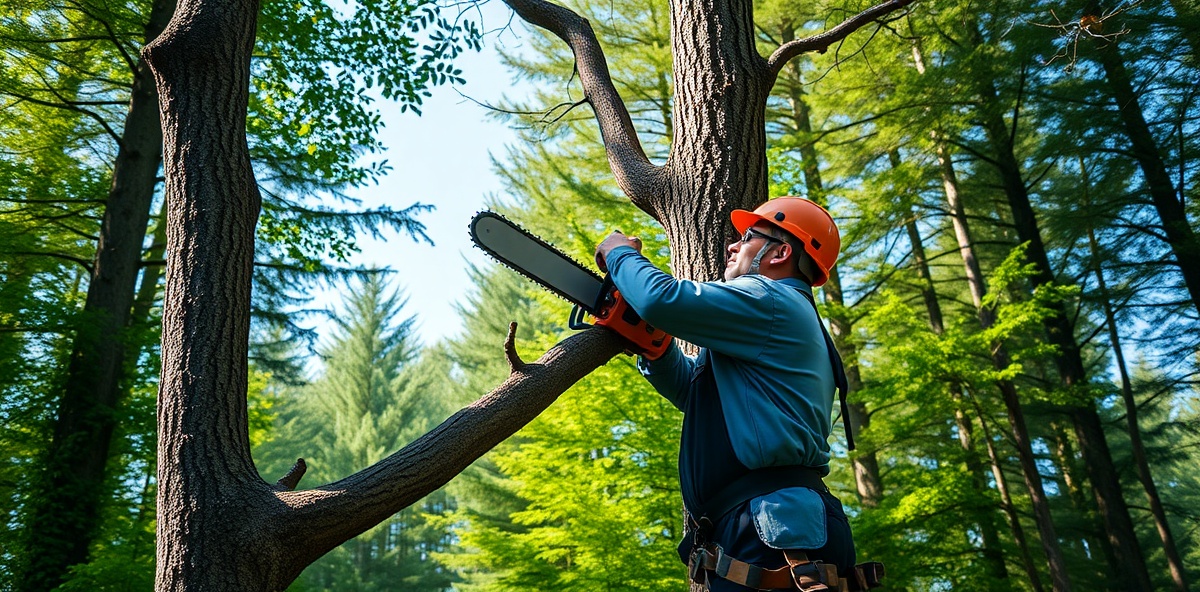
Most jobs open with a site visit. The surgeon walks the garden and points out what needs attention and why. Once both sides agree on the scope the real work begins. Climbers strap into harnesses and work their way up section by section. A chainsaw never touches a whole limb at once near a house or a shed. Ropes lower cut branches to the ground instead of letting them drop free and crush a flower bed below.
Cleanup follows the cutting. A chipper turns brush into mulch within minutes. Logs get stacked or hauled away depending on what the homeowner wants. By the time the crew leaves the garden looks tidier than it did that morning.
Does The Season Matter For This Kind Of Work?
Timing questions come up often. Late autumn through early spring suits most pruning since sap runs slower and trees sit dormant. Storm damage does not wait for a convenient season though. A cracked limb hanging over a driveway needs attention the same week it happens regardless of the calendar.
Local know how shapes this timing more than any general rule book. A crew offering Tree Surgery Preston services understands how the regional weather pattern affects growth cycles throughout the year and adjusts scheduling around that.
Does This Work Benefit More Than Just The Homeowner?
Healthy trees pull carbon from the air and give something back in return. Birds nest in the gaps a good thinning creates. Squirrels use the strong limbs a deadwooding leaves behind. Even a felling job often ends with a sapling going into the ground nearby so the local canopy does not shrink over time. Care given to one tree ripples outward into the whole neighborhood in ways most people never notice.
Final Thoughts
A tree standing in a garden looks permanent but it depends on choices made by the people around it. Skilled hands turn a risky overgrown mess into something strong and shapely again. From a light trim to a full removal every step rests on judgment built through years of climbing real trees and reading real bark. A reliable outfit such as Tree Surgery Preston brings that same judgment to a property while keeping the household safe through the whole process. Whether the job involves a young sapling by the fence or an ancient oak in the back corner the right care changes how that tree lives for decades to come.
FAQs
How often does a tree need a professional look?
Once a year suits most gardens though older or larger specimens often need a closer eye.
Does a tree need to look sick before calling a surgeon?
Not at all. Healthy trees still benefit from shaping and thinning that heads off future trouble.
Can a struggling tree be saved rather than cut down?
Often yes. A skilled surgeon exhausts every option before recommending removal as a last resort.
Does cutting branches harm a tree in the long run?
Correct pruning technique strengthens a tree rather than weakening it over time.
How long does an average job take from start to finish?
Size and condition decide the timeline but most crews wrap up within a single working day.