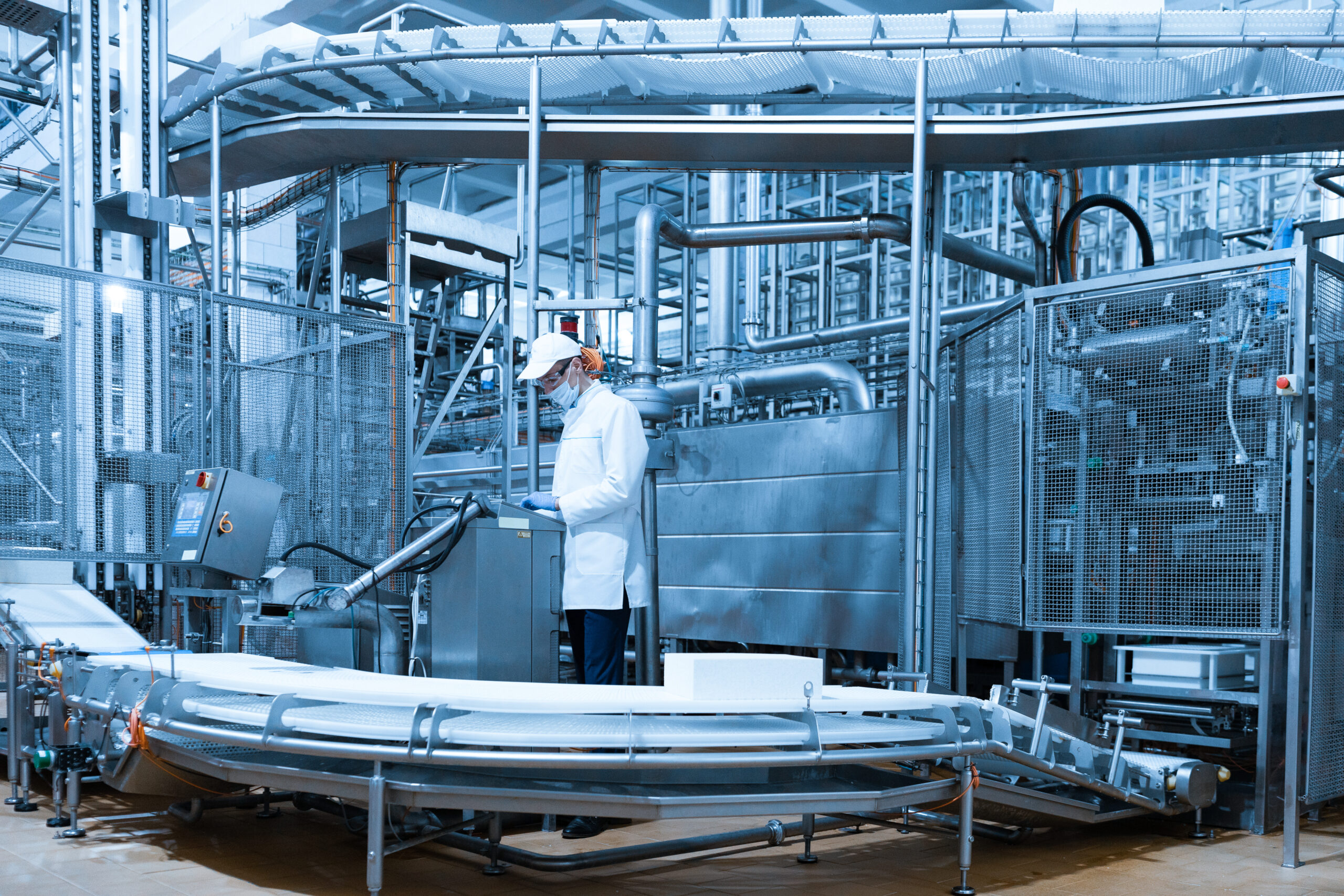
The global chemical industry is experiencing rapid transformation as businesses continue searching for more efficient ways to develop products, optimize manufacturing processes, and accelerate commercialization. Rising competition, evolving regulations, changing customer expectations, and technological advancement have significantly changed how chemical companies approach production strategies. Organizations increasingly seek manufacturing models that improve flexibility while reducing operational complexity.
Businesses today are increasingly turning toward collaborative manufacturing approaches that provide technical expertise, scalability, and operational advantages.
Among these approaches, CDMO services have become increasingly important because they allow organizations to accelerate product development and improve manufacturing efficiency while minimizing infrastructure related challenges.
Evolution of Manufacturing Models in the Chemical Industry
Traditional manufacturing models often required businesses to invest heavily in infrastructure, equipment, facilities, workforce expansion, and regulatory systems before commercial production could begin. While this approach provided greater internal control, it also created significant financial and operational challenges.
Modern manufacturing strategies have shifted toward collaborative approaches where specialized partners contribute technical knowledge, development capabilities, and manufacturing infrastructure.
This shift allows businesses to remain agile while responding faster to changing market conditions.
Companies now focus more resources on research, product innovation, customer acquisition, and market expansion while depending on specialized manufacturing partners for production support.
Understanding CDMO Services and Their Importance
Contract Development and Manufacturing Organizations provide integrated solutions covering multiple stages of product development and manufacturing.
These services often include:
- Research support
- Process development
- Analytical testing
- Pilot production
- Process optimization
- Scale up activities
- Commercial manufacturing
- Quality management
- Regulatory support
The major advantage of integrated manufacturing support is that organizations can move from early development to commercial production with fewer operational disruptions.
Instead of managing multiple external vendors, companies gain access to consolidated expertise that improves coordination and reduces complexity.

Why Outsourcing Manufacturing Continues Growing
Manufacturing chemical products requires extensive investment in infrastructure, equipment maintenance, workforce training, safety systems, and compliance programs.Maintaining all these capabilities internally may not always provide optimal returns.
Outsourcing production activities offers several advantages:
- Reduced capital expenditure
- Greater production flexibility
- Faster commercialization
- Access to specialized expertise
- Lower operational risks
- Better scalability
These advantages explain why collaborative manufacturing models continue expanding across chemical industries.
Role of Organic Chemical Companies in Industrial Growth
Organic chemical companies support numerous industries through the production of raw materials, intermediates, specialty compounds, and advanced materials.
These industries include:
- Pharmaceuticals
- Agriculture
- Personal care products
- Electronics
- Industrial manufacturing
- Paints and coatings
- Packaging materials
- Consumer products
As product complexity increases, chemical manufacturers face increasing pressure to maintain consistency while improving productivity.This environment makes manufacturing partnerships increasingly valuable.
Process Development and Optimization
Process development remains one of the most important stages in manufacturing.
Poorly optimized processes can create:
- Low yields
- Increased waste generation
- Higher production costs
- Greater variability
- Scale up difficulties
Manufacturing specialists frequently help organizations optimize reaction conditions, improve efficiency, and create scalable processes suitable for commercial production.Effective optimization reduces costs while improving manufacturing reliability.
Accelerating Scale Up Activities
Moving from laboratory production to commercial manufacturing presents significant challenges.Many processes that perform effectively in small environments become difficult when production volumes increase.
Scale up activities require:
- Process evaluation
- Equipment selection
- Safety assessments
- Yield optimization
- Production validation
Manufacturing partners often provide expertise that reduces scale up risks and improves production consistency.
Importance of Regulatory Support
Regulatory requirements continue becoming increasingly complex.
Manufacturers must comply with numerous standards covering:
- Safety documentation
- Quality systems
- Production records
- Environmental requirements
- Validation procedures
Organizations that lack strong regulatory capabilities may experience commercialization delays.Manufacturing partners often provide regulatory support that improves compliance and reduces operational risk.

Technology Transforming Chemical Manufacturing
Advanced technologies continue changing manufacturing operations.
Modern facilities increasingly use:
- Automation systems
- Digital monitoring platforms
- Data analytics
- Process control software
- Predictive maintenance systems
Technology integration improves efficiency while reducing operational variability.These capabilities also support better resource utilization and stronger quality control.
Sustainability and Environmental Responsibility
Environmental concerns increasingly influence manufacturing decisions.
Organizations now focus on:
- Reducing emissions
- Improving energy efficiency
- Minimizing waste generation
- Conserving resources
- Supporting sustainable production practices
Manufacturing partnerships often provide access to newer technologies that support sustainability goals without requiring complete infrastructure replacement.
Workforce and Technical Expertise
Chemical manufacturing requires highly specialized expertise.Organizations frequently need professionals experienced in:
- Process engineering
- Chemical synthesis
- Quality management
- Safety systems
- Analytical methods
Building large specialized teams internally can be expensive and time consuming.
Manufacturing partnerships provide access to technical expertise without extensive recruitment requirements.
Supply Chain Flexibility
Supply chain disruptions have demonstrated the importance of manufacturing flexibility.
Organizations increasingly prioritize production models that support:
- Faster response times
- Multiple production options
- Scalable capacity
- Improved inventory management
Flexible manufacturing strategies help businesses adapt more effectively to changing demand conditions.
Future Outlook for Collaborative Manufacturing
Demand for specialized manufacturing services continues growing as industries become more advanced.
Future manufacturing strategies will likely focus on:
- Greater automation
- Increased digital integration
- Sustainable production systems
- Flexible manufacturing networks
- Faster development cycles
Collaborative manufacturing will remain important because it supports innovation while reducing operational burdens.
Conclusion
CDMO services continue transforming manufacturing strategies by providing flexibility, technical expertise, and scalable production capabilities. As organic chemical companies continue supporting multiple industries, collaborative manufacturing models help organizations improve efficiency, accelerate commercialization, and reduce operational challenges. Businesses that embrace manufacturing partnerships will likely remain better positioned for long term growth and evolving market demands.
INVENTYS operates within an ecosystem where innovation, process efficiency, and manufacturing excellence continue becoming more important for companies competing in specialized markets.