A great paint job isn’t defined by how it looks on day one. The real measure of quality is how well that finish stands up months and even years later. Whether you’re refreshing a family home, completing a commercial project, or managing a large-scale development, achieving a durable paint finish takes more than choosing an attractive colour. It requires the right preparation, quality materials, and proper application techniques.

Many people assume expensive paint alone guarantees long-lasting results. In reality, every stage of the process matters. From preparing the surface to selecting reliable products, each decision influences how the final finish performs over time.

Here’s a practical framework that professionals rely on to create paint finishes that continue looking fresh long after the brushes have been cleaned.
Start with surface preparation.
Even the highest-quality paint struggles to perform on an unprepared surface. Dirt, grease, peeling paint, moisture, and dust create barriers that prevent proper adhesion.
Before opening a paint can, inspect the surface carefully. Fill cracks, sand rough areas, remove loose paint, and clean away contaminants. If mildew or mould is present, treat it before painting rather than covering it up.
Skipping this stage may save a few hours initially, but it often leads to peeling, bubbling, or uneven finishes that require costly repairs later.
Repair Before You Paint
Painting over damaged walls simply hides problems temporarily. Hairline cracks can expand, moisture damage may worsen, and uneven surfaces become even more noticeable once fresh paint is applied.
Take time to repair imperfections with suitable fillers and allow repairs to cure completely before moving to the next step.
Choose the Right Primer
Primer acts as the bridge between the surface and the paint. It improves adhesion, seals porous materials, and creates a consistent base for the topcoat.
Different surfaces require different primers. Fresh plaster, concrete, metal, and previously painted walls each have unique requirements. Matching the primer to the surface significantly improves durability while reducing the number of paint coats needed.
Professional painters often say that primer is invisible insurance—it may not receive attention, but it contributes enormously to the lifespan of the finish.
Invest in Quality Paint
Not all paints are created equal. Higher-quality formulations generally contain better pigments, stronger binders, and improved additives that resist fading, moisture, stains, and everyday wear.
This is especially important in regions with intense sunlight, fluctuating temperatures, or high humidity. A premium paint system often maintains its appearance much longer than cheaper alternatives, making it more cost-effective over time.
For contractors sourcing products across East Africa, working with a trusted quality paint supplier kenya helps ensure consistent product performance, reliable supply, and access to coatings designed for demanding environments.
Use the Right Tools
The best paint can still produce disappointing results when applied with poor-quality equipment.
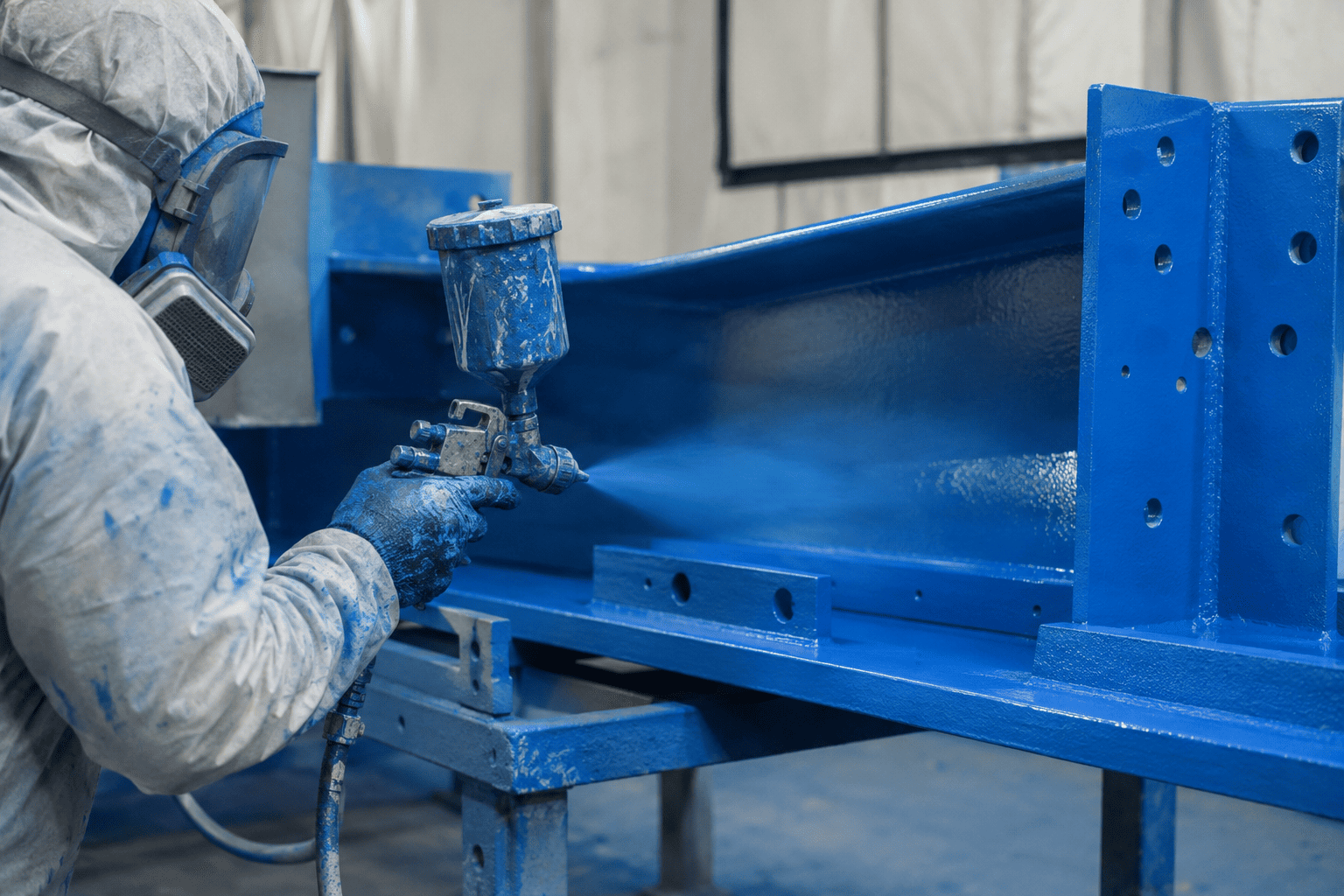
Professional-grade rollers provide better coverage and leave fewer marks, while quality brushes hold more paint and produce smoother edges. Spray equipment, when used correctly, creates highly uniform finishes on large surfaces.
Clean tools also matter. Dried paint buildup can introduce streaks and texture inconsistencies that affect the final appearance.
Match the Tool to the Surface
Different surfaces benefit from different application methods.
- Smooth walls perform well with short-nap rollers.
- Textured surfaces require thicker roller covers.
- Trim and detailed work needs high-quality angled brushes.
- Large commercial areas often benefit from spray application.
Selecting the appropriate tool saves time while improving finish quality.

Apply Paint Under the Right Conditions
Weather influences paint performance more than many people realise.
Extreme heat causes paint to dry too quickly, limiting proper levelling. High humidity slows curing and increases the chance of blistering or mildew. Rain, dust, and strong winds can also compromise fresh coatings.
Whenever possible, paint during moderate weather conditions and follow the manufacturer’s recommended temperature and humidity ranges.
Patience pays off here. Allowing each coat to dry completely before applying the next produces a stronger and more attractive finish.
Don’t Rush the Number of Coats
Trying to achieve full coverage with one heavy coat usually creates drips, uneven drying, and reduced durability.
Instead, apply multiple thin, even coats. This approach allows better curing, stronger adhesion, and a smoother appearance.
Professional painters often spend more time applying coats carefully than painting quickly, because long-term results depend on consistency rather than speed.
Protect the Finish After Painting
A freshly painted surface remains vulnerable while curing. Although paint may feel dry within hours, complete curing often takes several weeks.
Avoid aggressive cleaning, heavy impacts, or installing fixtures immediately after painting whenever possible.
Simple maintenance also extends the life of painted surfaces:
- Clean dirt before it accumulates.
- Address moisture leaks promptly.
- Repair chips before they spread.
- Wash exterior walls periodically to remove pollutants and debris.
Small maintenance efforts prevent larger repainting projects in the future.
Why a System Always Beats Shortcuts
Experienced painters rarely rely on a single product to deliver outstanding results. Instead, they follow a complete system where preparation, primer, paint quality, application, and maintenance all work together.
Think of it like building a house. A beautiful roof won’t compensate for a weak foundation. Likewise, premium paint cannot overcome poor preparation or rushed application.
According to industry studies, surface preparation alone can account for a significant portion of coating performance and longevity, highlighting why professionals devote so much attention to this stage before painting begins.
Frequently Asked Questions
How long should a quality paint finish last?
Interior paint can typically last between 5 and 10 years, while exterior coatings generally last 5 to 8 years, depending on climate, surface condition, and product quality.
Does expensive paint really make a difference?
Higher-quality paints often provide better coverage, stronger color retention, improved washability, and greater resistance to peeling and fading, making them a worthwhile long-term investment.
Is primer always necessary?
Not always, but it is strongly recommended for new surfaces, repaired areas, stained walls, and major color changes. Using the correct primer helps improve adhesion and durability.
Final Thoughts
A long-lasting paint finish isn’t achieved through luck or expensive products alone. It’s the result of a disciplined process that begins with careful preparation and continues through proper application and ongoing maintenance.
Whether you’re managing a residential renovation or a commercial construction project, following this framework helps protect your investment while delivering results that continue to look impressive for years. Focus on quality at every stage, work with dependable suppliers, and remember that lasting finishes are built through consistent attention to detail—not shortcuts.