Choosing the right manufacturer is an important step for any clothing brand that wants to create high-quality hoodies. From fabric selection and product development to sampling and bulk production, the manufacturer you choose can directly affect your product quality, costs, and delivery schedule. With many custom sweatshirt manufacturers available, brands need to carefully compare their capabilities before starting production.
Whether you are launching a streetwear label, building a private label collection, or expanding an established apparel business, understanding what to look for in a manufacturing partner can make the process more efficient and predictable.

Define Your Hoodie Requirements
Before contacting manufacturers, clearly define the type of hoodie you want to produce. Consider the style, fabric, weight, fit, colors, sizes, and construction details.
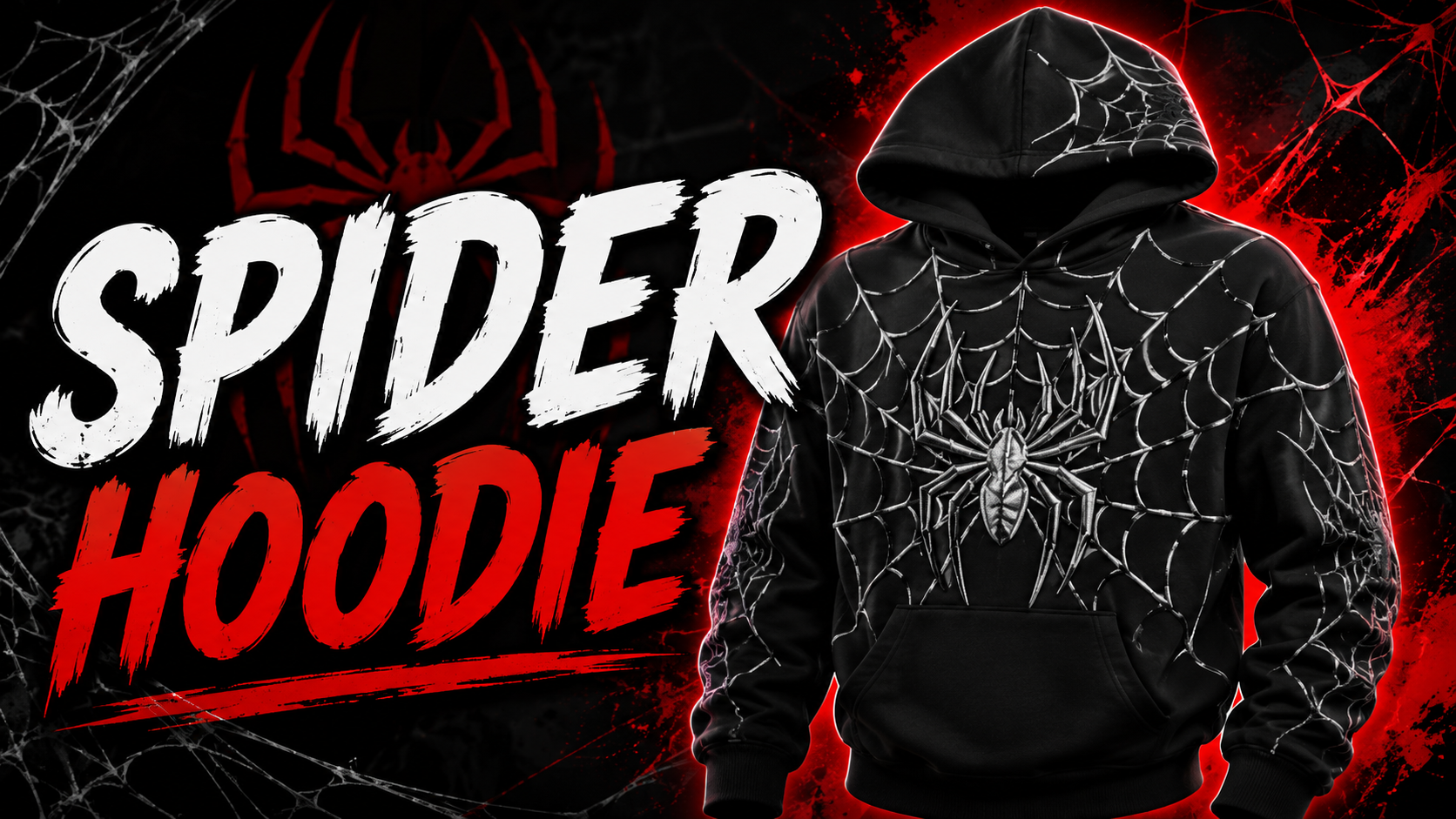
You may want a heavyweight oversized hoodie for a streetwear collection, a lightweight hoodie for everyday wear, or a zip-up style for an activewear line. Other details can include kangaroo pockets, drawstrings, ribbed cuffs, custom neck labels, embroidery, screen printing, or patches.
Having detailed requirements allows manufacturers to understand your expectations and provide more accurate quotations.
Look for Relevant Manufacturing Experience
Experience matters when producing custom hoodies and sweatshirts. These garments often require heavier fabrics, multiple panels, hoods, pockets, ribbing, and specialized finishing.
When researching custom sweatshirt manufacturers, check whether they have experience producing products similar to your designs. Ask about their previous work and request samples or a product portfolio.
A manufacturer familiar with your product category may be better prepared to identify construction issues and recommend suitable production methods.
Evaluate Fabric Options
Fabric is one of the most important elements of a hoodie. It affects comfort, appearance, durability, warmth, and production costs.
Popular options include cotton, polyester, cotton blends, fleece, French terry, and recycled materials. The right fabric depends on your brand positioning and the season in which the hoodie will be sold.
Ask manufacturers about fabric weight, composition, softness, shrinkage, colorfastness, and durability. If you want to use a specific material, confirm that the manufacturer can source it consistently for future production runs.
Check Minimum Order Quantities
Minimum order quantity, or MOQ, should be considered before selecting a manufacturer. Some factories focus on large-volume production, while others work with startups and smaller clothing brands.
A lower MOQ can be useful if you are testing a new hoodie design or launching your first collection. It allows you to produce a manageable quantity before investing heavily in inventory.
Ask custom sweatshirt manufacturers whether their MOQ applies to each design, color, or size. Also ask whether sample orders have separate minimum requirements.
Review Customization Capabilities
Your manufacturing partner should be able to turn your design specifications into a finished product that represents your brand.
Customization can include fabric selection, garment measurements, colors, patterns, hood construction, pockets, cuffs, drawstrings, labels, embroidery, printing, patches, and packaging.
If you have a tech pack, provide it to the manufacturer and confirm that they can follow the measurements and construction specifications. If you do not have a completed tech pack, ask whether the manufacturer provides product development, pattern-making, or technical design assistance.
Always Request Samples
Before placing a large production order, request a sample. A sample gives you the opportunity to inspect the actual product instead of relying on photographs or descriptions.
Check the fabric, stitching, measurements, fit, hood shape, pockets, cuffs, printing, embroidery, labels, and overall construction. Washing the sample can also help identify potential issues such as shrinkage, fading, or changes in shape.
If something needs to be changed, provide clear feedback and request another sample before approving bulk production.

Compare Pricing and Production Costs
Manufacturing price is an important consideration, but the cheapest quotation may not provide the best overall value. Prices can vary depending on fabric, construction, order quantity, customization, labor, printing, packaging, and quality control.
Request detailed quotations from several custom sweatshirt manufacturers and make sure you understand what each price includes.
Ask whether sampling, labels, printing, embroidery, packaging, and other services are included. A detailed quotation helps you calculate your actual production cost and reduces the possibility of unexpected expenses.
Examine Quality Control
Quality control is essential for maintaining consistency across your clothing collection. Even small differences in measurements, stitching, color, or printing can affect the finished product.
Ask manufacturers about their inspection procedures. Quality control may include fabric inspection, measurement checks, stitching inspections, color matching, print or embroidery checks, and final garment inspection.
You should also ask how defective products are handled. Understanding the manufacturer’s quality-control process before production can help prevent problems later.
Consider Production Capacity
Your manufacturer’s current production capacity should match your requirements. If you are ordering a small batch, you need a partner comfortable with smaller quantities. If your brand grows, you may eventually need significantly larger production runs.
Ask about standard lead times, monthly capacity, sampling schedules, and the ability to increase production when required.
Working with custom sweatshirt manufacturers that can support different production volumes can make it easier to scale your clothing business without changing suppliers frequently.
Evaluate Communication
Clear communication is particularly important for custom apparel. Your project may involve numerous specifications, revisions, approvals, and production stages.
Pay attention to how the manufacturer responds to questions and whether they provide clear information about pricing, samples, materials, and deadlines.
Ask whether you will have a dedicated contact person and how production updates will be communicated. Consistent communication can help reduce misunderstandings and keep your project organized.
Review Packaging and Shipping
The manufacturing process does not end when your hoodies are sewn. You also need to consider packaging and delivery.
Ask whether the manufacturer can provide custom packaging, poly bags, hangtags, woven labels, care labels, cartons, or other branded elements.
You should also discuss shipping methods, estimated delivery times, shipping costs, and tracking. If you sell internationally, confirm that the manufacturer has experience handling international orders and the required shipping documentation.
Start With a Smaller Order
If you are working with a manufacturer for the first time, consider beginning with a smaller production run. This allows you to evaluate product quality, communication, production speed, packaging, and delivery without committing to a large inventory investment.
Once the manufacturer demonstrates consistent results, you can increase production quantities and introduce additional hoodie or sweatshirt styles.
This approach can be particularly useful for startups and emerging fashion brands that are still testing their products and target markets.
Final Thoughts
Choosing the right manufacturer involves more than finding a competitive price. Clothing brands should evaluate experience, fabric options, MOQ, customization capabilities, samples, quality control, production capacity, communication, packaging, and shipping.
By researching custom sweatshirt manufacturers, testing samples, and starting with a manageable production order, brands can establish a reliable manufacturing process and develop hoodies that meet their design and quality expectations.