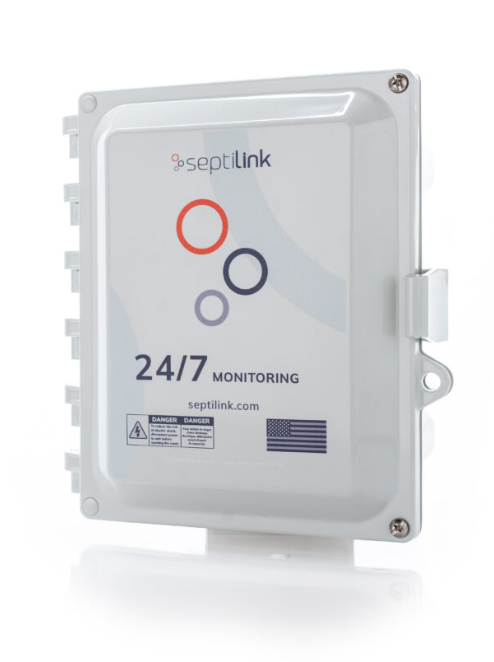
In today’s world, where technology touches every facet of our lives, it’s no surprise that septic system monitoring is getting a much-needed digital upgrade. For homeowners relying on septic systems and those in the wastewater industry, understanding and adapting to these new technologies can lead to some impressive benefits. Embracing IoT-based septic system monitoring not only boosts efficiency but also plays a vital role in protecting the environment and ensuring community health and safety.

Why Septic System Monitoring Matters
Septic systems are essential for managing household wastewater, but they need regular checks to work smoothly. Traditionally, monitoring meant manual inspections—often tedious and sometimes error-prone. Thanks to smart technology, keeping tabs on these systems has become significantly easier and more reliable.

Septic system monitoring is important because it helps catch potential issues before they turn into expensive repairs or environmental threats. By leveraging real-time data collection and analysis, homeowners can detect leaks, overflows, and contamination early, protecting both property and the surrounding environment.
How IoT Technology Transforms Septic System Monitoring
The Internet of Things (IoT) has revolutionized how homeowners interact with essential systems, including septic management. IoT solutions allow users to monitor system health remotely, reducing the need for constant physical inspections. Real-time alerts notify homeowners about irregularities, enabling proactive maintenance and minimizing the risk of system failure.
Key Benefits of Using IoT for Septic System Monitoring
- Remote Access
Monitor septic system performance from anywhere using a smartphone, tablet, or computer.
- Real-Time Alerts
Receive instant notifications about leaks, blockages, overflow risks, or unusual activity.
- Data-Driven Insights
Analyze performance trends to improve system efficiency, lifespan, and maintenance planning.
The Environmental Impact of Smart Septic Systems
Integrating smart technology into septic systems can significantly improve environmental protection. Poorly maintained septic systems can contribute to groundwater contamination and ecological damage. IoT-based monitoring helps ensure optimal system performance, reducing these risks and supporting environmental sustainability.
Environmental Benefits of Smart Monitoring
- Reduced Pollution
Early leak detection helps prevent harmful contaminants from entering groundwater supplies.
- Efficient Resource Use
Smart monitoring optimizes water usage and system performance, helping conserve valuable resources.
- Sustainable Management
Long-term data collection supports better wastewater management decisions and environmental planning.

Enhancing Community Health and Safety
The benefits of septic system monitoring extend beyond individual households. Septic system failures can release harmful pathogens and excess nutrients into local water sources, creating serious public health concerns. Smart monitoring systems help prevent these issues by ensuring systems remain in optimal condition.
Community Benefits of Effective Monitoring
- Improved Public Health
Reducing septic system failures lowers the risk of waterborne illnesses and contamination.
- Safety Assurance
Regular monitoring and maintenance help prevent hazardous system breakdowns.
- Increased Awareness
Homeowners become more informed about proper septic system care and responsible wastewater management.
Future Trends in Septic System Technology
As technology continues to evolve, septic system monitoring solutions are expected to become even more advanced. Growing environmental awareness and demand for efficient wastewater management will drive innovation across the industry.
Emerging Trends to Watch
- Integration with Smart Home Systems
Septic monitoring will connect seamlessly with broader smart home ecosystems.
- Predictive Analytics
Advanced algorithms will identify maintenance needs and predict potential failures before they occur.
- Enhanced User Interfaces
Future platforms will offer more intuitive dashboards, visual reports, and user-friendly experiences.
Conclusion
For homeowners and wastewater industry professionals alike, adopting septic system monitoring technology is about more than convenience—it’s about responsibility. IoT-based solutions help ensure septic systems operate efficiently while protecting the environment and supporting community health.
Investing in smart septic monitoring today creates a foundation for a safer, cleaner, and more sustainable future. To learn more about innovative wastewater management solutions, visit SeptiLink, a trusted provider of advanced septic system monitoring technology.