Roof maintenance plays an important role in protecting residential and commercial properties. In Miami, high humidity, frequent rain, and warm temperatures encourage algae and mildew growth on roofing surfaces. These conditions can create dark streaks, green patches, and other visible stains.
Roof softwashing services in Miami FL provide a practical way to address organic buildup. The process uses low pressure and suitable cleaning solutions to clean roofing materials without relying on aggressive water streams.

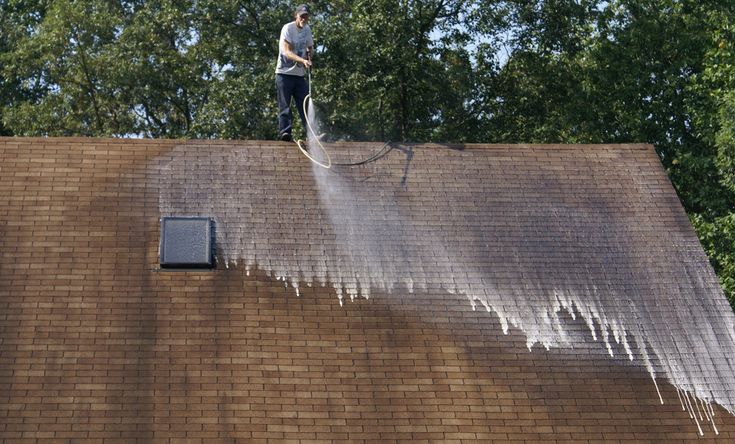
Understanding Roof Softwashing Services
Roof softwashing is a specialized exterior cleaning method. Professionals apply a cleaning solution to roofing surfaces to treat algae, mold, mildew, and other organic contaminants.
The solution works on the buildup without requiring excessive water pressure. This makes softwashing suitable for many roofing materials that cannot tolerate aggressive cleaning.
The contractor selects the appropriate treatment based on the roof’s material, condition, and level of contamination.
Why Miami Homes Need Roof Softwashing?
Miami’s climate creates an environment where algae and mildew can grow throughout the year. Rainfall supplies moisture, while warm temperatures support organic growth.
Roofs surrounded by trees often experience heavier contamination. Shaded sections remain damp longer, and fallen leaves can collect around valleys and drainage areas.
Black streaks on asphalt shingles often indicate algae growth. Concrete and clay tiles may develop green or dark patches that affect their appearance.
Shingle roof softwashing in Miami FL helps property owners address these problems before organic buildup spreads across larger areas.
Benefits of Professional Roof Softwashing
Professional softwashing helps maintain a roof’s appearance and supports regular property care.
-
Removal of organic buildup: Suitable cleaning solutions treat algae, mildew, and other unwanted growth.
-
Protection of delicate roofing materials: Low pressure reduces the risks associated with aggressive water cleaning.
A clean roof also improves the appearance of the entire property. Homeowners may notice a significant difference in curb appeal after removing years of visible staining.
How the Roof Softwashing Process Works?
The process starts with a roof assessment. The contractor checks the visible condition of the roofing materials and identifies areas with heavy staining.
Next, the team prepares the surrounding property. This may include covering sensitive plants, moving outdoor items, and protecting nearby surfaces.
The cleaning solution is then applied using suitable equipment. The contractor follows the correct treatment process for the roofing material.
After treatment, the cleaner completes any required rinsing and cleanup. Some organic stains may fade gradually after treatment, depending on the cleaning solution and roof condition.

Types of Roofs That Can Benefit From Softwashing
Softwashing can suit several roofing materials when professionals select the correct treatment.
Asphalt shingles often benefit from low pressure cleaning because strong water streams can remove protective granules.
Concrete and clay tiles can also benefit from softwashing. These surfaces may collect algae and mildew, especially in shaded areas.
Some metal roofs can receive low pressure cleaning when the coating and manufacturer’s guidance allow it. The contractor should inspect the finish before choosing a cleaning product.
Signs You Need Professional Roof Softwashing
Homeowners should look for changes in roof appearance from the ground. Visible dark streaks, green patches, and widespread discoloration may indicate organic growth.
Other warning signs include dirt collecting in roof valleys and persistent stains around shaded sections.
A professional inspection can help determine whether softwashing is appropriate or whether the roof needs repairs instead.
Roof Softwashing and Preventive Maintenance
Softwashing forms part of a wider roof maintenance plan. It does not replace repairs, gutter maintenance, or professional inspections.
Homeowners should keep drainage areas clear and arrange inspections after major storms. They should also address damaged flashing, loose roofing materials, and visible leaks.
A maintenance schedule helps property owners monitor roof condition and avoid ignoring small problems.
Choosing a Roof Softwashing Contractor
The right contractor should have experience with the roofing material installed on your property. Ask about cleaning solutions, pressure levels, plant protection, and safety procedures.
Request a written estimate that explains the work included. A professional company should also communicate any limitations, such as existing damage or stains that may not disappear completely.
Conclusion
Tile roof softwashing in Miami FL help Miami property owners remove algae, mildew, and unwanted stains while maintaining suitable roofing materials. Regular cleaning and inspections support better property maintenance and improve curb appeal. Center Group Professional Services is the best provider of roof softwashing services in Miami, FL, and surrounding areas, helping residential and commercial customers maintain clean exterior surfaces.
Frequently Asked Questions
1. What is included in roof softwashing?
The service generally includes a roof assessment, preparation of nearby areas, application of a suitable cleaning solution, and appropriate cleanup.
2. Does roof softwashing kill algae?
Professional softwashing solutions can treat and remove algae growth from suitable roofing materials.
3. Is roof softwashing suitable for older roofs?
It may be suitable, but the contractor should inspect the roof first. Fragile or damaged materials may require repairs or a different approach.
4. Does softwashing improve roof appearance?
Yes. It can remove dark streaks, green growth, and other organic stains that affect the roof’s appearance.
5. Is softwashing better than pressure washing?
For many delicate roofing materials, softwashing offers a safer approach because it uses low pressure instead of aggressive water streams.