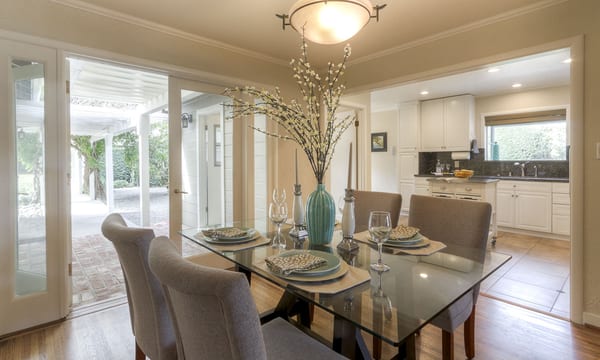
A well-planned Office table design can influence how comfortably people work, communicate, organize documents, and use technology throughout the day. An office table is more than a flat working surface. Its dimensions, shape, storage options, materials, cable management, and placement can affect the overall flow of a workplace. Whether you are furnishing a small startup, a corporate office, a home workspace, or a professional meeting area, choosing the right table requires attention to both practical needs and visual appeal. A suitable table should provide enough room for computers, paperwork, office accessories, and personal items without making the workspace feel crowded. It should also complement office chairs, storage units, reception furniture, and other workplace elements. When these components work together, the office can feel organized, comfortable, and suitable for focused work.

Choosing the Right Table Size
Table size should be based on the tasks employees perform every day. A workstation used mainly for computer work may require enough width for a monitor, keyboard, mouse, documents, and other accessories. Employees who frequently handle paperwork may need additional surface space. At the same time, oversized furniture can reduce walking space and make a smaller office appear congested. Before purchasing office tables, measure the available floor area and consider the position of doors, windows, storage cabinets, power outlets, and walkways. Leave sufficient clearance around each workstation so employees can move their chairs comfortably and access drawers or storage areas. For shared workspaces, modular desks can provide flexibility because they can be rearranged when team sizes or office layouts change. Meeting tables require a different approach because their dimensions should account for the number of people who regularly use them. Careful planning helps businesses make better use of available floor space while maintaining a professional appearance.

Popular Office Table Shapes
The shape of an office table can influence both functionality and workplace interaction. Rectangular tables remain a common choice because they are easy to position against walls, within workstation clusters, or across larger office areas. L-shaped tables can be useful when employees need separate areas for computer work, paperwork, or meetings. Their configuration can make a corner workspace more practical while providing additional surface area. Round and oval tables can encourage face-to-face communication and are often suitable for informal meetings or collaborative discussions. Executive desks generally have a more substantial appearance and can include integrated storage or side extensions. Bench-style workstations are another practical option for offices where multiple employees work in close proximity. Each shape serves a different purpose, so the ideal option depends on available space, employee requirements, workflow, and the desired appearance of the office.
Materials That Suit Different Workplaces
The material of an office table affects durability, maintenance, appearance, and cost. Engineered wood and laminate surfaces are widely used because they can provide a professional appearance while being relatively practical for everyday office use. Solid wood can create a warmer and more traditional atmosphere, while metal components can add structural strength and a contemporary appearance. Glass surfaces may suit modern executive or meeting areas, although they require regular cleaning to maintain a neat appearance. A combination of materials can also create a balanced look. For example, a wooden work surface with metal legs can provide a clean professional style without appearing overly formal. When selecting materials, consider how frequently the table will be used, the type of equipment placed on it, cleaning requirements, and the expected lifespan of the furniture. Businesses should focus on materials that match their operational needs rather than selecting furniture based only on appearance.
Cable Management and Technology
Modern offices depend heavily on computers, monitors, charging devices, printers, communication equipment, and other technology. Poor cable organization can quickly make even an attractive workspace appear untidy. Tables with built-in cable ports, wire channels, modesty panels, or under-desk cable trays can make technology easier to manage. Power outlets should also be positioned conveniently so employees do not need to stretch cables across walking areas. In collaborative workspaces, shared power solutions can help employees connect laptops and other devices without creating unnecessary clutter. A clean cable-management system also makes cleaning and maintenance easier. When planning an office layout, technology requirements should be considered before furniture is installed. This prevents situations where desks look suitable on paper but lack convenient access to power and connectivity.
Ergonomics and Employee Comfort
Office furniture should support comfortable working habits. The table height should work well with the office chair so employees can maintain a natural sitting position while using computers and other equipment. Adequate legroom is equally important, especially for people who spend many hours at their desks. Employees should have enough surface area to position monitors and frequently used items without excessive reaching. Adjustable desks can provide additional flexibility by allowing users to change their working position during the day. Ergonomic planning should also include monitor placement, keyboard position, chair support, and sufficient movement space. A comfortable workstation can make daily tasks easier and encourage employees to maintain a more organized working environment. Businesses investing in office furniture should therefore consider usability alongside design and price.
Office Tables for Collaborative Work
Not every office table needs to be assigned to one employee. Collaborative tables can support meetings, brainstorming sessions, project discussions, training activities, and team-based work. A large rectangular table can accommodate several employees, while smaller round tables may work well for quick discussions. Flexible furniture can be especially useful in workplaces where teams regularly change or where rooms have multiple purposes. Folding and movable tables allow spaces to be reorganized when necessary. Modular furniture can also support different layouts without requiring a complete replacement of the office setup. The goal is to create spaces where employees can communicate efficiently while still having enough room for laptops, notebooks, documents, and other work materials.
Storage Features and Workspace Organization
Storage should be considered alongside the table rather than treated as a separate concern. A desk with drawers or integrated storage can keep frequently used items within reach, while mobile pedestals can provide additional flexibility. Offices that handle large amounts of paperwork may benefit from nearby filing cabinets and storage units. Keeping essential items organized reduces unnecessary movement and helps maintain a cleaner workstation. However, excessive storage attached to every table can make a workspace feel heavy and reduce available legroom. A balanced approach combines practical desk storage with shared office cabinets and centralized filing solutions. The right arrangement depends on how employees use documents, equipment, stationery, and other supplies.
Creating a Consistent Office Appearance
Furniture should contribute to a consistent visual identity throughout the workplace. Matching or complementary table finishes can make different departments feel like part of the same office environment. Neutral finishes often work well in professional settings, while carefully selected wood tones or accent finishes can add warmth and personality. The table should also coordinate with office chairs, partitions, reception desks, cabinets, and meeting-room furniture. Consistency does not mean every piece must look identical. Different furniture styles can be combined when they share complementary materials, colors, shapes, or proportions. A thoughtful furniture palette can make an office feel more organized and intentional while still allowing individual work areas to meet different functional requirements.
Planning a Practical Office Layout
Furniture placement is just as important as furniture selection. A high-quality table can become inconvenient if it blocks walkways, creates glare on computer screens, or leaves insufficient room for chairs. Start by identifying major activity zones, such as individual workstations, meeting spaces, reception areas, storage zones, and collaborative areas. Then consider how employees move between these spaces throughout the day. Frequently used areas should remain accessible without creating unnecessary traffic through quiet work zones. Natural light can also influence table placement, especially for employees who use computer screens for extended periods. A well-planned layout creates clear pathways while making effective use of available floor space. Businesses should also consider future growth so that additional workstations can be introduced without requiring a complete redesign.

Maintaining Office Tables for Long-Term Use
Regular maintenance can help office furniture remain functional and attractive for longer. Dust and surface debris should be removed regularly using suitable cleaning methods for the material. Spills should be addressed promptly, particularly on surfaces that can stain or absorb moisture. Screws, fittings, and adjustable components should be checked periodically for signs of loosening or wear. Heavy equipment should not be placed on tables unless the furniture is designed to support the load. Cable openings and storage compartments should also be kept organized so they do not become overloaded. Proper maintenance protects the appearance of the workplace and can reduce the need for premature furniture replacement.
Making a Smart Office Furniture Investment
The right office table should provide a balance between appearance, comfort, durability, functionality, and available space. Businesses should consider the number of employees, daily work activities, technology requirements, storage needs, room dimensions, and future expansion before making a purchase. Comparing dimensions, materials, construction quality, ergonomic features, and maintenance requirements can help buyers make more informed decisions. Instead of selecting furniture based only on its initial price, consider how effectively it will serve employees over time. A practical workspace can support better organization and create a more professional environment for employees, clients, and visitors. Whether the office requires individual desks, executive workstations, meeting tables, or collaborative furniture, thoughtful planning can help every piece serve a clear purpose.
Frequently Asked Questions
What should I consider when choosing an office table?
Consider available space, table dimensions, employee tasks, storage requirements, technology needs, ergonomics, material quality, and overall office style.
Which table shape is best for a small office?
Rectangular and L-shaped tables can work well in smaller offices because they can be positioned efficiently against walls or in corners.
Are adjustable office tables useful?
Yes. Adjustable tables can provide greater flexibility by allowing users to change their working position according to their comfort and daily tasks.
How can I keep office tables organized?
Use cable-management systems, drawers, mobile pedestals, document organizers, and shared storage cabinets to keep frequently used items under control.
What material is suitable for everyday office use?
Laminate, engineered wood, solid wood, and metal can all be suitable depending on the required durability, appearance, maintenance needs, and budget.
How often should office furniture be maintained?
Regular cleaning is recommended, while fittings, cables, drawers, and adjustable components should be inspected periodically for wear or damage.
Conclusion
A thoughtfully selected office table can support productivity, organization, comfort, and a professional workplace appearance. From dimensions and materials to ergonomics, cable management, storage, and layout, every detail contributes to how effectively employees use their workspace. Businesses should assess their actual requirements before selecting furniture and consider how the office may change as teams and technology develop. With careful planning and suitable furniture solutions from Modern desks and office cubicles, businesses can create workspaces that are practical, comfortable, organized, and visually consistent.