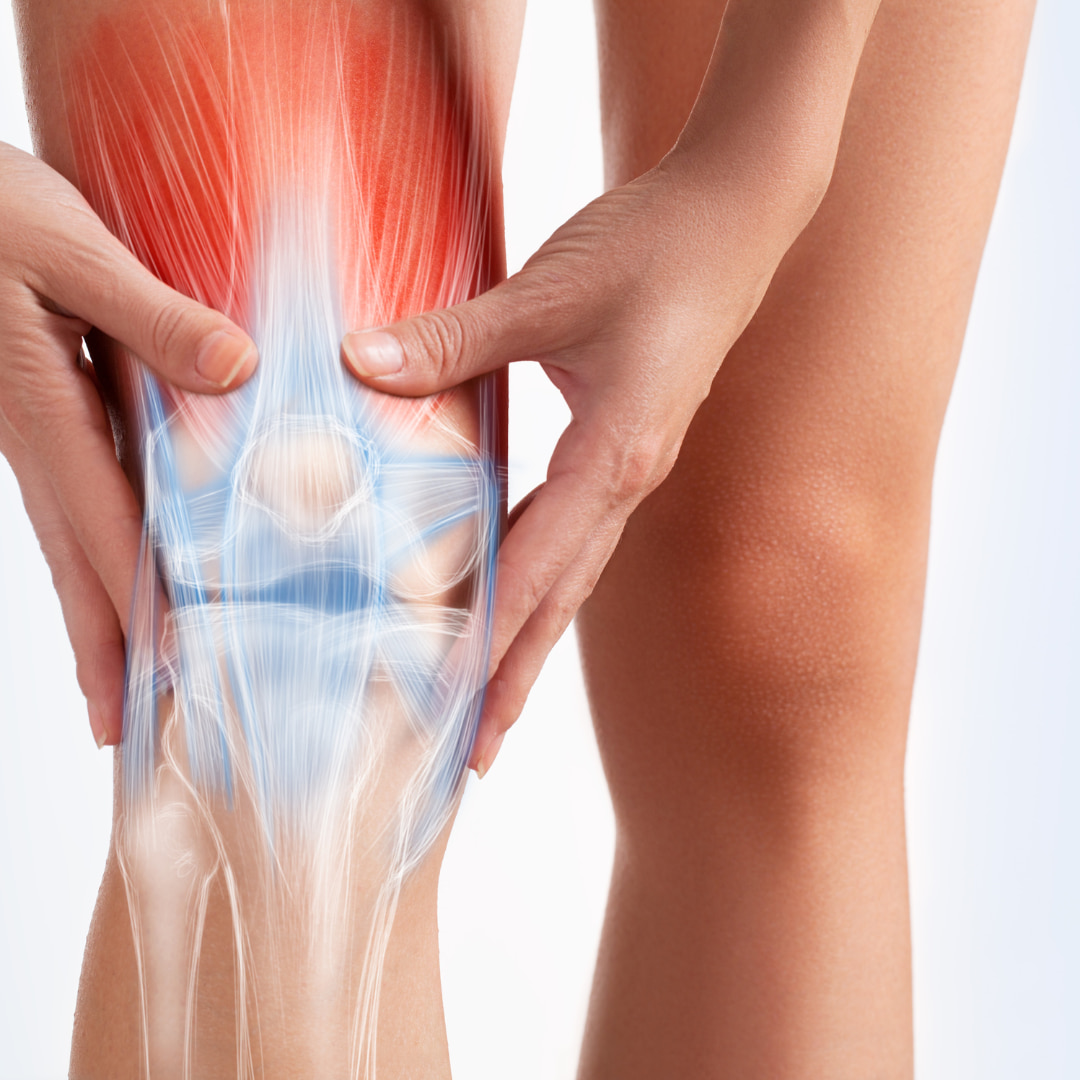
Knee osteoarthritis is one of the most common joint disorders, affecting millions of people worldwide, particularly older adults. It develops gradually as the protective cartilage in the knee joint wears away over time, leading to pain, stiffness, swelling, and reduced mobility. Although aging is a major risk factor, obesity, previous injuries, and repetitive stress can also contribute to the condition. Early diagnosis, lifestyle modifications, and appropriate treatment can help relieve symptoms, improve joint function, and slow disease progression, allowing individuals to maintain an active and independent lifestyle.

What Is Knee Osteoarthritis?

Knee osteoarthritis (OA) is a degenerative joint disease that occurs when the cartilage cushioning the ends of the bones gradually breaks down. Healthy cartilage allows the knee joint to move smoothly, but when it deteriorates, the bones begin to rub against each other. This friction causes pain, inflammation, stiffness, and difficulty moving the knee.
The condition usually develops slowly over several years and may affect one or both knees. While osteoarthritis cannot be completely cured, various treatments can effectively manage symptoms and improve quality of life.
What Causes Knee Osteoarthritis?
Several factors contribute to the development of knee osteoarthritis.
Aging
As people age, cartilage naturally becomes thinner and less flexible, increasing the risk of joint degeneration.
Excess Body Weight
Being overweight places additional pressure on the knee joints. Every extra kilogram of body weight increases stress on the knees, accelerating cartilage wear.
Previous Knee Injuries
Sports injuries, fractures, torn ligaments, or meniscus injuries can increase the likelihood of developing osteoarthritis later in life.
Repetitive Joint Stress
Jobs or activities involving frequent kneeling, squatting, climbing stairs, or heavy lifting can place continuous stress on the knee joint.
Genetics
Some individuals inherit a greater tendency to develop osteoarthritis due to genetic factors affecting cartilage structure.
Joint Deformities
Abnormal knee alignment or congenital joint abnormalities may increase uneven pressure within the joint.
Symptoms of Knee Osteoarthritis
Symptoms usually develop gradually and worsen over time.
Common symptoms include:
- Knee pain during movement
- Morning stiffness lasting less than 30 minutes
- Swelling around the knee
- Difficulty climbing stairs
- Pain after prolonged sitting
- Reduced range of motion
- Grinding or clicking sensation (crepitus)
- Knee weakness
- Difficulty walking long distances
In advanced cases, pain may occur even while resting.
Who Is at Risk?
Anyone can develop knee osteoarthritis, but certain factors significantly increase the risk.
Higher-risk groups include:
- Adults over 50 years
- People with obesity
- Women, especially after menopause
- Athletes with previous knee injuries
- Construction and factory workers
- Individuals with family history of osteoarthritis
- People with diabetes or metabolic disorders
- Those with poor muscle strength around the knee
Recognizing these risk factors allows earlier preventive measures.
How Is Knee Osteoarthritis Diagnosed?
An orthopedic surgeon diagnoses knee osteoarthritis using medical history, physical examination, and imaging studies.
Physical Examination
The doctor evaluates:
- Knee swelling
- Tenderness
- Joint movement
- Walking pattern
- Joint stability
X-rays
X-rays help identify:

- Narrowed joint space
- Bone spurs (osteophytes)
- Cartilage loss
- Bone deformities
MRI Scan
MRI may be recommended when soft tissue injuries or early cartilage damage need further evaluation.
Blood Tests
Although there is no blood test for osteoarthritis, laboratory investigations may help rule out rheumatoid arthritis, gout, or infections.
Treatment Options for Knee Osteoarthritis
Treatment depends on symptom severity and the extent of joint damage.
Lifestyle Modifications
Weight reduction significantly decreases stress on the knee joint. Even modest weight loss can reduce pain and improve mobility.
Patients should also avoid activities that place excessive pressure on the knees.
Physical Therapy
A physiotherapist teaches strengthening and stretching exercises that improve muscle support around the knee and enhance joint flexibility.
Low-impact activities such as swimming and cycling are often recommended.
Medications
Doctors may prescribe:
- Pain relievers
- Anti-inflammatory medications
- Topical pain-relieving creams or gels
Medications should only be used under medical supervision.
Knee Braces
Supportive braces may improve knee alignment, reduce pressure, and increase stability during walking.
Injections
For patients with persistent pain, orthopedic surgeons may recommend corticosteroid or hyaluronic acid injections to provide temporary symptom relief.
Surgery
When conservative treatments no longer provide relief and daily activities become severely limited, surgical treatment may be considered.
Surgical options include:
- Arthroscopy (selected cases)
- Osteotomy
- Partial knee replacement
- Total knee replacement (Arthroplasty)
Modern knee replacement surgery has excellent success rates and can significantly improve mobility and quality of life.
Book Online Appointment with the Best Orthopedic Surgeon in Islamabad via InstaCare
If you are experiencing persistent knee pain, stiffness, swelling, or difficulty walking, it is important not to ignore these symptoms. Early evaluation by an orthopedic specialist can help identify the underlying cause and prevent further joint damage. Whether you need a comprehensive diagnosis, physical therapy recommendations, medication, or advanced surgical care, timely treatment can significantly improve your mobility and quality of life. Book an online appointment with the best Orthopedic Surgeon in Islamabad via InstaCare to consult experienced specialists, receive personalized treatment, and start your journey toward healthier, pain-free knees.
Conclusion
Knee osteoarthritis is a progressive joint condition that can significantly affect mobility and daily life if left untreated. It develops as the protective cartilage in the knee gradually wears away, causing pain, stiffness, swelling, and reduced flexibility. Although there is no permanent cure, early diagnosis and appropriate treatment can effectively control symptoms and slow disease progression. Maintaining a healthy weight, staying physically active with low-impact exercises, protecting your knees from injury, and seeking timely medical care are essential steps in managing the condition. If knee pain persists or interferes with your routine activities, consulting an orthopedic surgeon can help you receive the right treatment and improve your quality of life.
Frequently Asked Questions (FAQs)
1. What is the main cause of knee osteoarthritis?
The primary cause of knee osteoarthritis is the gradual wear and tear of the cartilage that cushions the knee joint. Aging is the most common risk factor, but obesity, previous knee injuries, repetitive joint stress, and genetic factors can also contribute to the condition.
2. Can knee osteoarthritis be cured?
No, knee osteoarthritis cannot be completely cured because damaged cartilage does not regenerate naturally. However, lifestyle modifications, medications, physical therapy, injections, and surgery can effectively relieve symptoms, improve mobility, and slow disease progression.
3. What exercises are safe for people with knee osteoarthritis?
Low-impact exercises such as walking, swimming, cycling, water aerobics, and stretching are generally considered safe. Strengthening the muscles around the knee can improve joint stability and reduce pain. Always consult your healthcare provider or physiotherapist before starting a new exercise program.
4. When should I see an orthopedic surgeon for knee pain?
You should consult an orthopedic surgeon if your knee pain lasts for several weeks, worsens over time, limits your daily activities, causes significant swelling, affects your ability to walk, or does not improve with rest and basic home care.
5. Can knee replacement surgery permanently relieve knee osteoarthritis pain?
Total knee replacement is one of the most effective treatments for advanced knee osteoarthritis when conservative treatments fail. Most patients experience significant pain relief, improved mobility, and a better quality of life after successful surgery and rehabilitation.