Inclusion body myositis (IBM) is a rare, chronic muscle disease that causes progressive muscle weakness, particularly in the thighs, wrists, and fingers. It can make everyday activities such as walking, climbing stairs, opening jars, and getting up from a chair increasingly difficult. Although there is currently no established cure for IBM, many people explore lifestyle changes, dietary improvements, and complementary therapies to support their overall health and maintain independence.

Interest in Inclusion Body Myositis Natural Remedies has grown as patients and caregivers look for practical ways to manage symptoms and improve quality of life. However, it is important to distinguish between approaches that offer supportive benefits and treatments that have not been scientifically proven to slow the disease.

This article examines what science says about natural remedies, herbal products, nutrition, exercise, and other supportive strategies for people living with inclusion body myositis.
Understanding Inclusion Body Myositis
Inclusion body myositis is an inflammatory and degenerative muscle disease that primarily affects adults over the age of 50. Its exact cause is not fully understood, but researchers believe that immune system activity and abnormal protein accumulation both contribute to muscle damage.
Unlike some other inflammatory muscle diseases, IBM generally responds poorly to conventional immunosuppressive treatments. Muscle weakness usually progresses gradually, and some people develop swallowing difficulties as the disease advances.
Because there is no proven treatment that reliably reverses the underlying muscle damage, care generally focuses on maintaining mobility, preventing complications, managing symptoms, and preserving independence.
Natural approaches may complement this care, but they should never replace neurological assessment, rehabilitation, or other recommended medical support.
1. Anti-Inflammatory Nutrition: What Does Science Say?
A balanced diet is one of the most practical ways to support general health while living with IBM. Although no specific diet has been shown to stop or reverse inclusion body myositis, good nutrition can help maintain energy, support normal muscle function, and prevent unwanted weight loss.
A balanced eating pattern may include:
- Vegetables and fruits rich in vitamins, minerals, and antioxidants.
- Whole grains, beans, and other fiber-rich foods.
- Healthy fats from olive oil, nuts, seeds, and fish.
- Adequate protein from eggs, dairy products, fish, poultry, beans, or other suitable sources.
- Sufficient fluids to support hydration.
Some people explore Mediterranean-style eating because it emphasizes whole foods, vegetables, legumes, fish, and unsaturated fats. This approach supports general health, but evidence that it specifically slows IBM progression is lacking.
People who experience swallowing problems should seek advice from a speech and language therapist and a dietitian. Food texture, fluid consistency, and meal size may need adjustment to reduce choking and aspiration risks.
What works: A nutritionally balanced diet tailored to individual needs can support general well-being and help prevent malnutrition.
What does not: No particular food, juice, detox diet, or anti-inflammatory meal plan has been proven to eliminate IBM or restore damaged muscle tissue.
2. Herbal Treatment for Inclusion Body Myositis: Benefits and Limitations
Interest in Herbal Treatment for Inclusion Body Myositis often centers on plants traditionally associated with inflammation reduction, antioxidant activity, or general wellness. Turmeric, ginger, and green tea are examples of products studied for various biological effects.
However, laboratory findings and studies involving other diseases cannot establish that an herb effectively treats IBM in humans.
Turmeric contains curcumin, a compound investigated for its anti-inflammatory properties. Ginger also contains compounds with potential biological effects, while green tea provides polyphenols that have been studied for their antioxidant activity. Nevertheless, there is currently insufficient clinical evidence that these substances slow IBM progression, improve muscle strength, or reverse muscle damage.
Herbal supplements can also cause adverse effects or interact with prescription medicines. Concentrated turmeric products, for example, may increase bleeding risk in certain circumstances, and some supplements have been associated with liver injury.
Anyone considering herbal products should discuss them with a healthcare professional or pharmacist, particularly when taking blood thinners or other long-term medication.
The scientific conclusion: Herbs may be part of an individual’s general dietary preferences, but they should not be presented as proven IBM treatments. Concentrated supplements require particular caution because their safety and effectiveness in people with IBM are not established.
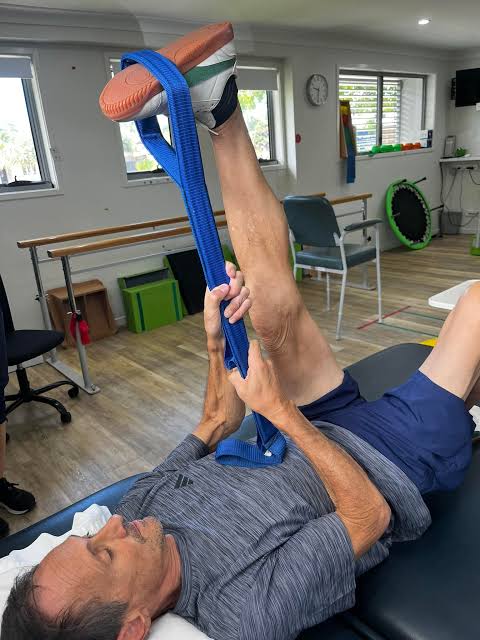
Among the available supportive strategies, appropriately supervised exercise has some of the strongest evidence for helping people with IBM maintain physical function. Research suggests that carefully designed resistance and aerobic exercise programs can be tolerated by many patients and may improve strength, endurance, and functional ability.
A physical therapist experienced in neuromuscular conditions can recommend exercises suited to the person’s abilities and disease progression. These may include gentle strengthening, balance training, flexibility exercises, and low-impact aerobic activities.
Exercise should be individualized because excessive fatigue, falls, and injuries are important concerns. Activities that cause significant pain or prolonged exhaustion should be reviewed with a healthcare professional.

What works: A personalized exercise program, rehabilitation, and appropriate mobility aids can help maintain independence and reduce fall risks.
What doesn’t: Pushing through severe fatigue or following intense workout programs without professional guidance is not a reliable way to reverse muscle weakness.
4. Natural Remedies For Inclusion Body Myositis: Supplements and Their Evidence
Many patients investigate vitamins, minerals, coenzyme Q10, creatine, and antioxidant supplements when searching for Natural Remedies For Inclusion Body Myositis. These products are often promoted for muscle health and energy production.
However, the evidence for their effectiveness in IBM remains limited. There is no convincing clinical evidence that routine supplementation with these products stops disease progression or restores damaged muscles.
Vitamin D or other nutrient supplements may be appropriate when a deficiency has been identified. Correcting a deficiency can support general health, but it should not be confused with treating the underlying disease.
Before taking supplements, patients should discuss their medications, dietary habits, kidney and liver health, and laboratory results with a qualified healthcare professional. High doses of certain vitamins and minerals can cause harm, and supplements may interact with prescribed medicines.
Avoid products advertised as guaranteed cures, muscle-regeneration formulas, or secret herbal solutions. Claims that a supplement can reverse IBM should be treated skeptically unless supported by well-designed human clinical trials.
5. Stress Management, Sleep, and Daily Lifestyle
Living with a progressive muscle condition can affect emotional well-being, sleep, and confidence. Although stress reduction cannot reverse IBM, maintaining a supportive daily routine may improve quality of life.
Relaxation techniques, meditation, enjoyable hobbies, social interaction, and psychological support can help people cope with the emotional challenges of chronic illness. Maintaining a regular sleep schedule and adapting daily activities to available energy may also make everyday life more manageable.
Occupational therapists can recommend practical modifications, including grab bars, suitable seating, adapted utensils, and assistive devices. These changes can reduce physical strain and help people remain independent for longer.
It is important to recognize that lifestyle strategies support overall well-being rather than directly treating the biological processes responsible for IBM.
6. Natural Herbs Clinic: How to Evaluate Treatment Claims
People searching online for Natural Herbs Clinic or other herbal wellness providers should carefully evaluate the information they encounter. A clinic’s claims, qualifications, product ingredients, and safety procedures deserve attention before any treatment is considered.
Look for transparent ingredient lists, realistic descriptions of potential benefits, and clear warnings about possible adverse effects. Be cautious of providers who promise a permanent cure, recommend stopping prescribed care, or discourage consultation with a neurologist.
A qualified healthcare professional can help determine whether a proposed herbal product is safe to use alongside existing treatments. Ideally, patients should bring the supplement packaging or a complete ingredient list to their appointment.
Natural products are not automatically safe simply because they are plant-based. Responsible care requires evidence, appropriate monitoring, and honest communication about what remains unknown.
7. When to Seek Medical Advice
Regular follow-up with a neurologist or neuromuscular specialist is essential for people living with inclusion body myositis. Medical reviews can help monitor muscle weakness, mobility, swallowing, nutrition, and respiratory function.
New or worsening swallowing difficulties, repeated choking, unexplained weight loss, breathing problems, or frequent falls warrant prompt medical assessment. Swallowing difficulties are particularly important because food or liquid entering the airway can lead to serious complications.
A multidisciplinary care plan involving physical therapy, occupational therapy, speech and language therapy, and nutritional support can address many practical challenges associated with IBM.
Conclusion: What Really Helps?
Inclusion Body Myositis Natural Remedies may help support general health, comfort, and daily functioning, but no natural remedy has been proven to cure IBM or reliably stop its progression.
The most reasonable approach combines balanced nutrition, individualized exercise, rehabilitation, fall prevention, swallowing assessments, and careful management of supplements. Herbal products may have a place in personal wellness routines, but their benefits for IBM remain unproven, and their risks should not be overlooked.
Ultimately, the goal is not to replace evidence-based medical care with unverified remedies. It is to identify safe, practical strategies that help preserve independence, reduce complications, and improve quality of life while researchers continue searching for effective disease-modifying treatments.
Medical disclaimer: This article is for educational purposes only and does not replace individualized medical advice, diagnosis, or treatment.