Mailboxes are designed to protect letters and packages from weather, but they can sometimes attract unexpected visitors. Among the various insects that seek shelter in residential areas, bees occasionally explore mailboxes as potential nesting locations. Homeowners are often surprised to discover insect activity inside a structure that appears too small or exposed to support a colony. However, certain environmental conditions can make a mailbox appealing to pollinators searching for temporary shelter or protected spaces.

Learning how to handle bees responsibly begins with recognizing that these pollinators generally do not seek conflict with humans. Their primary focus involves protecting their colony and carrying out essential survival activities. Most stinging incidents occur when insects perceive a threat rather than during routine foraging or exploration. Environmental factors also contribute to nesting decisions. Neighborhoods containing abundant flowering plants, water sources, and suitable shelter opportunities naturally attract pollinator populations. If a mailbox is located near gardens or landscaped areas, occasional insect visits become more likely.

How to Handle Bees Safely When Activity Is First Discovered
Discovering buzzing insects inside or around a mailbox can be unsettling, especially when retrieving mail is part of a daily routine. The key to safety lies in maintaining composure and avoiding actions that could provoke defensive behavior. A measured response significantly reduces the chances of being stung. The moment activity is noticed, homeowners should avoid opening and closing the mailbox repeatedly. Sudden vibrations can disturb insects and trigger defensive reactions. Instead, observe from a safe distance to determine the extent of the activity. Occasional visitors entering and leaving the area may indicate simple exploration, while frequent movement could suggest a developing nesting site.
Protective clothing can offer additional reassurance when observation becomes necessary. Long sleeves, long pants, and closed-toe footwear provide a basic layer of protection. However, protective gear should never encourage closer interaction with active colonies than necessary. Patience is particularly important during daylight hours when insect activity tends to be highest. Pollinators are often busiest gathering resources and supporting colony functions. Observing movement patterns from a distance helps homeowners better understand the situation before deciding on the next course of action.
People frequently wonder whether they should attempt honey bee removal independently. In most cases, direct intervention is not recommended. Sprays, improvised tools, and aggressive methods can increase risks while potentially harming beneficial pollinators. Safe management prioritizes minimizing disturbance whenever possible.
When children or pets live on the property, additional precautions become necessary. Family members should understand the importance of avoiding the affected area until the situation has been properly assessed. Limiting access reduces accidental encounters and promotes safety.
Learning to handle bees appropriately involves respecting their space while evaluating the circumstances. Homeowners who rush to solve the problem without understanding its scope may unintentionally worsen the situation. Careful observation and informed decision-making typically produce better outcomes than reactive responses.
Identifying Signs of a Developing Colony
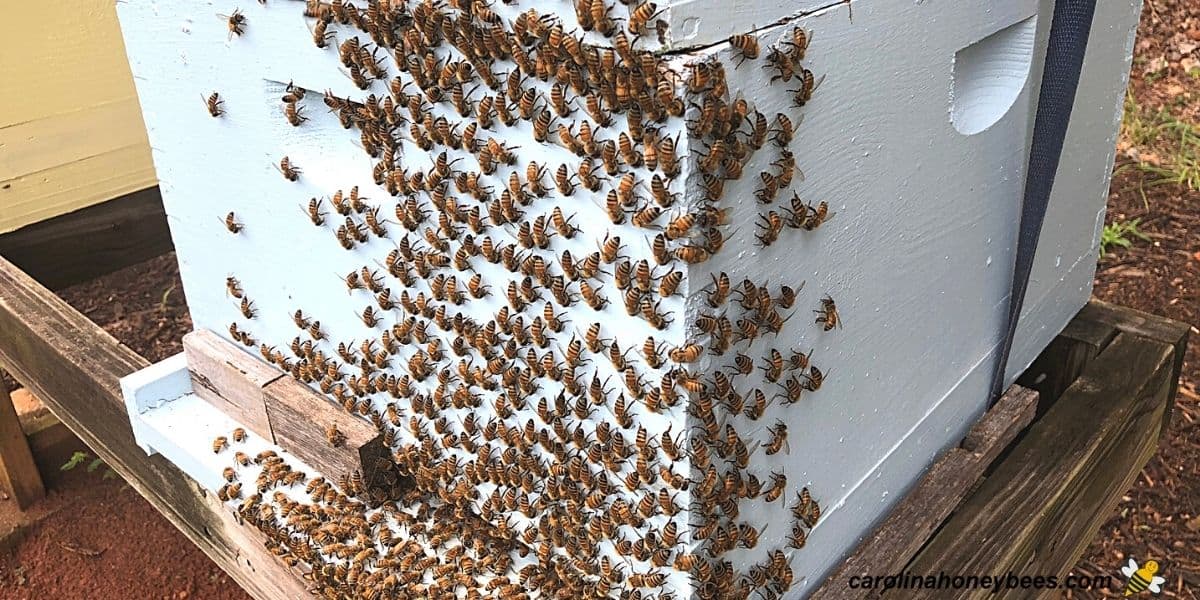
Not every insect visit indicates an established colony. Distinguishing between casual activity and a developing nest helps homeowners determine the appropriate response. Careful observation often reveals important clues regarding the seriousness of the situation. One common indicator involves repeated movement into a specific opening. When numerous insects consistently enter and exit the same location, they may be using the mailbox as a nesting site. Activity patterns typically become more noticeable as colony development progresses.
Audible buzzing may also provide useful information. While occasional sounds are normal around flowering landscapes, persistent buzzing from inside the mailbox can suggest a growing population. Homeowners should listen from a safe distance rather than attempting close inspection. Physical evidence sometimes appears around the structure. Small accumulations of wax-like material, increased insect traffic, or visible clustering may indicate nesting behavior. These signs warrant closer attention but should not encourage direct interference.

Homeowners seeking guidance frequently benefit from professional assessments. Specialists possess the experience necessary to distinguish among species, evaluate colony size, and recommend suitable solutions. Their expertise helps prevent unnecessary risks while promoting environmentally responsible outcomes.
When activity becomes persistent, many residents choose to consult experienced professionals. In communities where pollinator management services are readily available, organizations such as a bee removal service in Hollywood, LA can provide humane relocation options that prioritize both safety and ecological preservation while addressing homeowner concerns effectively.
Learning to handle bees responsibly includes recognizing when professional assistance becomes the safest and most practical solution. Early intervention often simplifies relocation efforts and reduces potential complications associated with larger colonies. Accurate identification ultimately supports better decision-making. The more information homeowners gather through careful observation, the easier it becomes to select an appropriate course of action.
Preventing Future Mailbox Infestations Without Harming Pollinators
Once a nesting situation has been resolved, many homeowners focus on preventing future occurrences. Effective prevention strategies emphasize habitat management and structural maintenance rather than harmful interventions. This approach protects pollinators while reducing the likelihood of recurring problems. Regular inspections represent one of the most effective preventive measures. Examining the mailbox periodically allows homeowners to identify small issues before they become attractive nesting opportunities. Early detection supports timely maintenance and discourages colony establishment.
Structural repairs play an important role as well. Small cracks, gaps, and openings may appear insignificant but can attract scouting insects searching for protected spaces. Sealing unnecessary openings helps reduce accessibility while maintaining normal mailbox functionality. Mailbox placement occasionally influences insect interest. Structures located directly beside dense flowering vegetation may experience increased activity simply because pollinators frequent the surrounding area. Maintaining some separation between heavily blooming plants and mailboxes can reduce attraction.
People often ask how to handle bees in ways that balance safety and environmental responsibility. Prevention provides one of the most effective answers. By reducing nesting opportunities before colonies develop, homeowners minimize risks without harming beneficial insect populations. Landscape management offers additional benefits. Thoughtfully designed gardens can support pollinator health while directing activity away from areas frequently used by people. Strategic planning helps create a healthier balance between conservation and practical household needs.
Building Safe and Sustainable Coexistence With Pollinators
Pollinators play an essential role within ecosystems, supporting plant reproduction and contributing to agricultural productivity. While discovering insect activity inside a mailbox can create understandable concern, the situation also presents an opportunity to better understand the importance of coexistence. Modern pollinator management increasingly emphasizes humane solutions that protect both people and insect populations. Rather than viewing these insects solely as pests, many homeowners recognize their ecological value and seek approaches that minimize harm. This perspective encourages more sustainable outcomes.
Communication within communities further supports positive outcomes. Sharing information about pollinator behavior, prevention techniques, and humane relocation resources helps build collective awareness. Informed neighborhoods are better prepared to manage situations safely and responsibly. The ability to handle bees successfully depends largely on patience, observation, and respect for wildlife. Most encounters can be resolved without injury or environmental harm when approached thoughtfully. Avoiding aggressive actions and prioritizing informed solutions creates safer conditions for everyone involved.