Many people believe that looking fashionable requires a large budget, expensive designer brands, and a constantly updated wardrobe. Social media, celebrity culture, and advertising often create the impression that style is directly connected to spending. However, some of the most well-dressed individuals understand a simple truth: personal style is not determined by the amount of money spent on clothing. Instead, it is shaped by confidence, smart choices, proper fit, and the ability to create attractive outfits from versatile pieces.
The desire to look stylish is universal. People want to feel confident in social situations, make positive impressions, and express their personalities through clothing. Fortunately, achieving these goals does not require financial strain. By understanding a few key principles, anyone can build a wardrobe that appears polished and sophisticated without exceeding their budget.
One of the biggest misconceptions in clothing is that expensive automatically means better. While premium garments may offer certain advantages in quality and craftsmanship, style itself comes from how clothing is worn and combined. A well-fitted outfit made from affordable pieces often appears more elegant than expensive clothing that does not fit properly.
Building a Budget-Friendly Wardrobe That Helps You Look Stylish
Creating an attractive wardrobe on a limited budget begins with focusing on essentials rather than impulse purchases. A strong wardrobe foundation consists of versatile pieces that work together easily and remain relevant across different seasons and occasions. Neutral-colored clothing often provides the greatest flexibility. Shades such as black, white, navy, gray, and beige coordinate effortlessly, allowing individuals to create numerous outfit combinations with relatively few items. This versatility reduces the need for excessive shopping while increasing styling possibilities.
Proper fit should always be prioritized. Clothing that fits correctly improves proportions, enhances comfort, and creates a more polished appearance. Even inexpensive garments can appear significantly more sophisticated when they fit well. In some cases, simple alterations can dramatically improve how clothing looks and feels. Denim remains one of the most valuable wardrobe investments because of its versatility and durability. A quality pair of jeans can be styled for casual outings, social events, and even semi-formal situations when paired appropriately. Selecting timeless cuts often provides greater longevity than highly trend-driven designs.
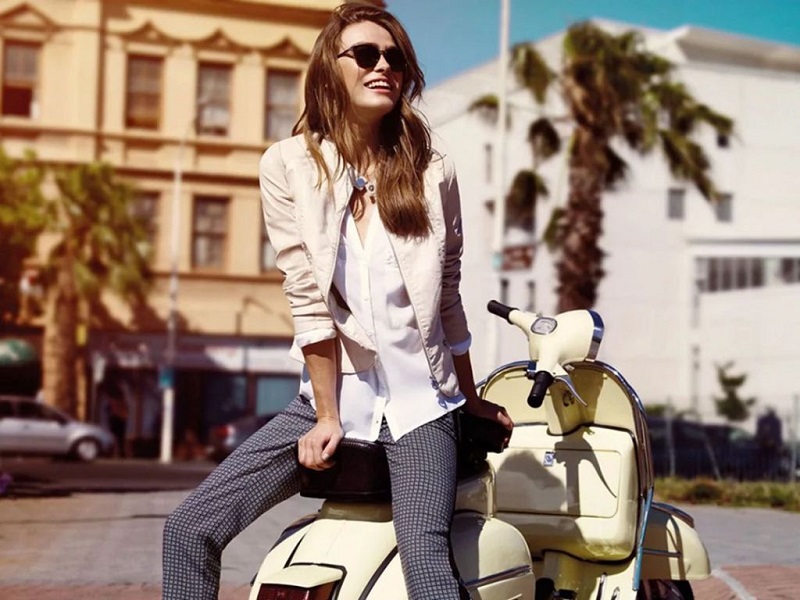
Basic tops also play a crucial role in affordable style. Well-fitted shirts, simple blouses, and classic knitwear create reliable outfit foundations. These pieces can be dressed up or down depending on accessories and accompanying garments. Outerwear deserves attention as well. A structured blazer, denim jacket, or classic trench coat can transform simple outfits into polished ensembles. Because outerwear is highly visible, investing in versatile and durable options often delivers significant value.
Footwear should never be overlooked. Clean, well-maintained shoes contribute substantially to overall appearance. Rather than purchasing numerous pairs, focusing on a few versatile styles helps maximize both practicality and style. Accessories provide another opportunity to enhance outfits without major expense. Scarves, belts, watches, handbags, and jewelry introduce personality while increasing outfit variety. Thoughtfully selected accessories often make clothing appear more intentional and refined.
Smart Shopping Habits That Save Money and Improve Style
Shopping strategically is one of the most effective ways to improve personal appearance while maintaining financial discipline. Many consumers spend unnecessarily because they purchase impulsively rather than thoughtfully. Developing smarter shopping habits creates better outcomes for both style and budget. Before making any purchase, it is helpful to evaluate whether the item complements existing wardrobe pieces. Clothing that works with multiple garments provides greater value than highly specific items suitable for only one occasion. This approach increases outfit possibilities while reducing wasteful spending.
Research has become an important part of modern shopping. Reading reviews, comparing materials, and examining product details helps consumers make informed decisions. These habits reduce the likelihood of disappointment and encourage more intentional purchases. Timing can also influence spending. Seasonal sales, promotions, and clearance events often provide opportunities to acquire quality clothing at reduced prices. Planning purchases around these periods allows shoppers to maximize value without compromising standards.
Many budget-conscious shoppers now explore a premium fashion shopping website to compare styles, discover versatile wardrobe essentials, and identify quality garments that offer lasting value, allowing them to make informed purchasing decisions while maintaining a sophisticated appearance without overspending. Impulse buying remains one of the biggest obstacles to affordable style. Purchasing clothing simply because it is discounted or trendy often leads to cluttered wardrobes filled with underused items. Taking time to evaluate purchases encourages more thoughtful decision-making.
Styling Techniques That Make Affordable Clothes Look Expensive
One of the most effective ways to enhance appearance without increasing spending is through styling. The way clothing is worn often matters more than the price tag attached to it. Simple techniques can elevate affordable garments and create a more sophisticated overall impression. Understanding proportions is an excellent starting point. Balancing fitted and relaxed pieces creates visually appealing silhouettes that appear intentional and polished. Pairing structured garments with softer items often produces attractive results while maintaining comfort. Monochromatic dressing is another powerful technique. Wearing variations of the same color family creates a cohesive appearance that often looks more expensive than highly contrasting combinations. Neutral shades work particularly well for this approach. Layering introduces depth and sophistication. Lightweight jackets, cardigans, and blazers add dimension while enhancing versatility. Layering also allows individuals to adapt outfits to changing temperatures without sacrificing style.
Attention to grooming significantly impacts overall appearance. Clean footwear, neat hair, and well-maintained clothing amplify the effectiveness of any outfit. Even modest garments benefit from careful presentation. Accessories should be selected thoughtfully. Rather than overwhelming outfits with numerous decorative elements, choosing a few complementary accessories often creates a stronger effect. Simplicity frequently communicates confidence and elegance. Color coordination remains one of the most accessible styling tools. Understanding which shades complement one another helps create balanced outfits that appear cohesive and intentional. This knowledge can dramatically improve outfit quality without requiring additional purchases.
Long-Term Strategies to Look Stylish Without Overspending
Developing lasting style requires more than occasional shopping trips or temporary trends. Long-term success comes from building habits that support consistency, versatility, and personal expression. These strategies help maintain an attractive appearance while protecting financial well-being. One of the most valuable habits is understanding personal style preferences. Rather than constantly chasing trends, identifying colors, silhouettes, and aesthetics that feel authentic creates a stronger wardrobe foundation. This clarity reduces unnecessary purchases and encourages confidence.
Wardrobe organization also contributes to better style. Keeping clothing visible and accessible makes outfit planning easier while encouraging greater use of existing pieces. An organized wardrobe often reveals combinations that might otherwise go unnoticed. Proper garment care extends the lifespan of clothing significantly. Following care instructions, storing garments appropriately, and addressing minor repairs promptly helps preserve appearance and functionality. These habits maximize value while reducing replacement costs.
In conclusion, learning how to look stylish without spending excessive amounts on clothing is entirely achievable. By focusing on versatile wardrobe foundations, practicing smart shopping habits, mastering effective styling techniques, and maintaining a long-term perspective, individuals can create sophisticated appearances while staying within budget. True style is not defined by price tags but by confidence, intentionality, and the ability to make thoughtful choices. With patience and consistency, anyone can build a wardrobe that feels elegant, practical, and uniquely personal without compromising financial goals.