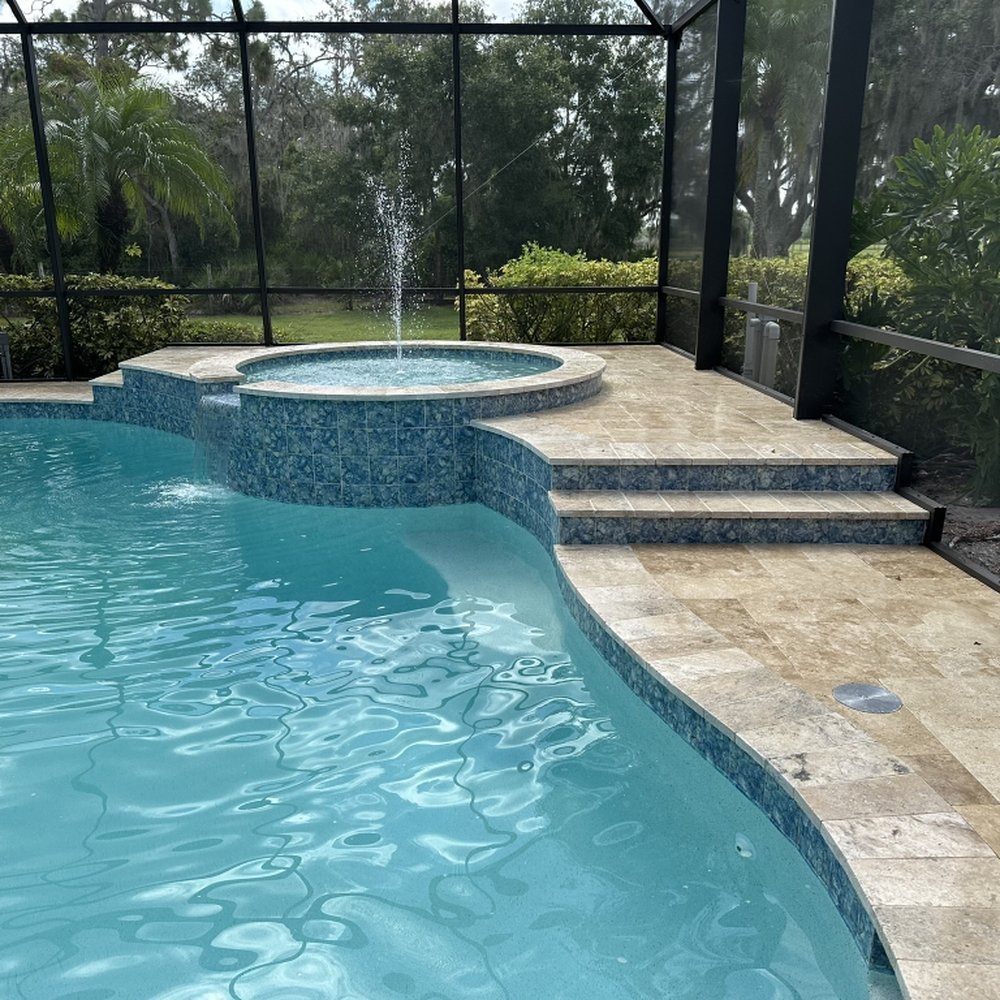
A backyard swimming pool is one of the best places to relax, spend time with family, and enjoy Florida’s warm weather. However, maintaining a beautiful pool involves more than keeping the water clean. Over time, the surface can develop stains, cracks, rough patches, and other signs of wear. Understanding these changes can help homeowners recognize when their pool needs professional attention and prevent minor problems from becoming more expensive repairs.

Pool resurfacing is an important part of maintaining an older or damaged swimming pool. The process involves repairing worn or damaged areas and applying a suitable new finish to restore the pool’s appearance and protective surface. Unlike routine cleaning, resurfacing addresses problems with the pool’s existing finish. It can improve swimming comfort, refresh the appearance of the backyard, and help protect the underlying pool structure from further deterioration.

For homeowners considering pool resurfacing in Tampa FL, knowing when to schedule an inspection is an important first step. Florida’s intense sunlight, frequent pool use, and changing weather conditions can contribute to gradual surface deterioration. Although proper maintenance helps protect a swimming pool, even a well-maintained surface can eventually need attention. Recognizing the warning signs early allows homeowners to explore appropriate repairs before the damage becomes more extensive.
Common Signs Your Pool Needs Resurfacing
One of the most noticeable signs of surface deterioration is a faded or uneven finish. A pool that once looked bright and inviting may gradually appear dull, discolored, or stained. Some discoloration comes from mineral deposits or water chemistry problems and may respond to cleaning. However, stains that remain after appropriate treatment can indicate deterioration of the finish itself. When discoloration appears alongside chalking, peeling, or roughness, a professional surface evaluation may be necessary.
Rough patches are another warning sign that should not be ignored. A deteriorating pool surface can become uncomfortable against bare feet, hands, and skin. Swimmers may notice irritation while walking on the pool floor or leaning against the walls. In fiberglass pools, a rough or chalky texture can indicate that the protective gelcoat is wearing down. Addressing the underlying problem is important because ordinary brushing and cleaning cannot restore a coating that has already deteriorated.
Cracks, peeling, and blistering can also indicate that a pool needs more than routine maintenance. Small surface cracks may initially seem harmless, but their cause and depth matter. Some affect only the outer finish, while others may involve underlying fiberglass layers. Peeling coatings can expose areas that require additional preparation or repair before refinishing. A qualified pool professional can examine the affected areas and determine whether localized repairs or a more extensive resurfacing project would be appropriate.
Why Pool Surfaces Deteriorate Over Time
Swimming pool surfaces are exposed to water, sunlight, cleaning chemicals, and regular use throughout the year. In Tampa Bay, outdoor pools receive considerable sun exposure, which can contribute to fading and surface aging. Water chemistry also plays an important role. Conditions outside recommended ranges may accelerate wear, affect certain finishes, or contribute to deposits and discoloration. Consistent testing and proper chemical balance can help reduce unnecessary deterioration, although they cannot prevent every form of aging.
Improper cleaning methods may create additional problems. Abrasive tools or products that are unsuitable for a particular finish can damage protective coatings. Homeowners should follow maintenance recommendations for their specific pool material rather than assuming every cleaning technique is safe. Regular inspections are equally valuable because early signs of deterioration are often easier to address than damage that has been developing unnoticed for several seasons.
Understanding Fiberglass Pool Resurfacing
For pools with fiberglass surfaces, fiberglass pool resurfacing focuses on restoring damaged protective layers and addressing underlying problems when necessary. Fiberglass pools commonly have a smooth gelcoat finish that provides their recognizable appearance and helps protect the material beneath. When this finish starts peeling, blistering, chalking, or developing cracks, professional refinishing may be appropriate. Depending on the condition of the pool, the work can involve surface preparation, fiberglass reinforcement, crack repair, and the application of a compatible new coating.
A successful resurfacing project requires careful evaluation and preparation. Applying a fresh coating over a damaged or poorly prepared surface may not resolve the original problem. Contractors must assess the existing material, identify areas requiring repair, and choose a resurfacing method suited to the pool’s condition. This helps improve coating adhesion and supports a more durable result. Homeowners should also understand that fiberglass and concrete pools have different surface requirements, so the repair approach should match the pool’s construction.
What Happens During the Pool Resurfacing Process?
The resurfacing process generally begins with an inspection of the pool’s existing condition. Contractors look for peeling coatings, cracks, worn areas, and possible structural concerns. They also examine the extent of the damage before recommending suitable repairs. This initial assessment is particularly important for older fiberglass pools because some damage may extend beyond the visible finish.
Once the project requirements are established, the pool must be prepared for resurfacing. This may involve controlled drainage, surface cleaning, grinding, and the removal of compromised material. In Florida, groundwater conditions require particular attention when draining an in-ground pool. Improper drainage can create serious problems, so homeowners should leave this stage to professionals who understand the necessary prehcautions.
After preparation, damaged areas are repaired and any required fiberglass reinforcement is completed. A suitable gelcoat or other compatible coating can then be applied according to the project’s specifications. The new surface needs adequate curing before the pool is returned to service. Finally, the contractor provides guidance on refilling, startup procedures, and water chemistry. The exact sequence and duration depend on the pool’s condition, coating system, and environmental conditions.
Benefits of Resurfacing an Aging Swimming Pool
One of the main benefits of resurfacing is restoring the appearance of a worn swimming pool. A fresh, properly applied finish can make the pool look cleaner, brighter, and more inviting. For homeowners who regularly entertain guests or spend time outdoors, an improved pool surface can make the entire backyard feel more welcoming.

Swimming comfort is another important consideration. A deteriorating surface may develop rough spots that make walking or swimming uncomfortable. Repairing damaged areas and restoring a smooth finish can create a more pleasant swimming experience. Resurfacing may also help protect the underlying pool material when deterioration has affected the protective coating.
The long-term condition of the pool is equally important. Surface damage that remains untreated can become more complicated, especially when moisture reaches damaged fiberglass layers. Timely repairs may help homeowners avoid more extensive restoration work later. However, resurfacing is not a substitute for repairing plumbing leaks, structural movement, or other underlying issues that require separate attention.
How Much Does Pool Resurfacing Cost in Tampa?
The cost of resurfacing varies because no two swimming pools have exactly the same requirements. Pool dimensions, surface condition, coating materials, and the amount of repair work all influence the final estimate. A pool with minor finish deterioration may require less preparation than one with extensive cracking, peeling, or structural fiberglass damage.
Accessibility and additional repairs can also affect project costs. For example, a homeowner may discover that certain surrounding tiles, skimmers, or related components need attention during the inspection. These should be discussed separately so the homeowner understands the full project scope.
Rather than relying entirely on general online price estimates, homeowners should request an assessment based on their actual pool. A detailed written estimate should explain the proposed work, materials, preparation requirements, and expected project stages. Clear information makes it easier to compare contractors and avoid misunderstandings.
How to Choose the Right Pool Resurfacing Contractor
Choosing a contractor involves more than comparing prices. Pool resurfacing requires knowledge of surface materials, preparation methods, and repair techniques. Homeowners should look for a company experienced with their particular pool type, especially when dealing with fiberglass surfaces that require specialized attention.
It is helpful to ask about the inspection process, recommended coating materials, and how cracks or damaged areas will be addressed. Contractors should be willing to explain why a particular resurfacing method is appropriate. Homeowners can also review previous projects, request references, and verify relevant licensing and insurance information before making a decision.
Communication matters throughout the project. A reliable contractor should explain the work schedule, preparation requirements, payment terms, and any conditions that could change the scope. Understanding these details beforehand helps homeowners make informed decisions and plan for the period when the swimming pool will be unavailable.
Maintaining Your Pool After Resurfacing
Proper maintenance plays an important role in protecting a newly resurfaced swimming pool. Homeowners should follow the contractor’s instructions for filling the pool, balancing chemicals, and completing the initial startup process. Different coating systems may have different requirements, so general maintenance advice should never replace the specific directions provided for the finished surface.
Once the pool is ready for regular use, water chemistry should be checked consistently. Maintaining appropriate sanitizer levels, pH, and other recommended water balance measurements helps reduce unnecessary stress on the finish. Using cleaning tools suitable for the pool surface is also important. Abrasive brushes and harsh cleaning products should be avoided unless specifically approved for the material.
Regular visual inspections can help identify problems before they become serious. Homeowners should watch for new stains, unusual chalking, peeling, or cracks around steps, corners, and other frequently used areas. If these issues appear, contacting a qualified professional early can help determine whether maintenance adjustments or repairs are necessary.
Give Your Tampa Pool the Attention It Deserves
A swimming pool should be a comfortable and enjoyable part of the home, not a constant source of maintenance concerns. Understanding the warning signs of surface deterioration allows homeowners to make better decisions about repairs and long-term care. Whether the problem involves fading, rough patches, peeling gelcoat, or visible cracks, a professional evaluation can help identify the most practical solution.
For homeowners in the Tampa Bay area, Sims Pool Upgrades LLC provides fiberglass pool resurfacing, pool repair, and restoration services. The family-owned company also offers related services such as tile repair, skimmer replacement, and pump and filter servicing. Homeowners concerned about their pool’s condition can contact the team to request a free estimate and discuss suitable options for restoring their swimming pool.
