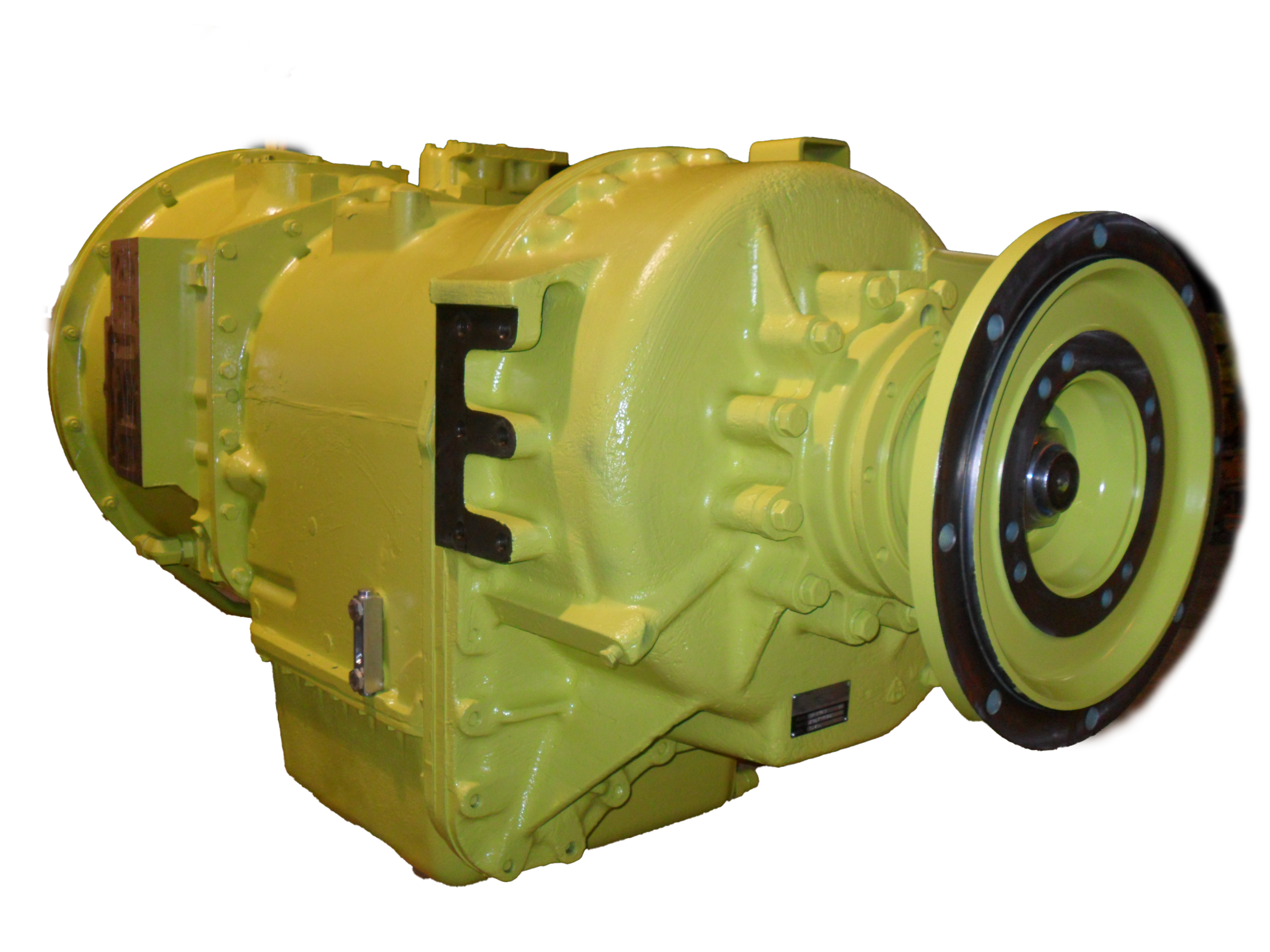
Choosing the right transmission is essential for maintaining the performance, reliability, and efficiency of heavy-duty industrial equipment. Whether you operate construction machinery, commercial vehicles, material-handling equipment, or specialized industrial machines, the transmission plays a critical role in transferring engine power to the drivetrain. Selecting the correct model can help reduce downtime, improve operating efficiency, and support long-term equipment reliability.

Allison industrial transmissions are widely recognized for their automatic transmission technology and applications in demanding commercial and industrial environments. However, not every transmission is suitable for every machine. Factors such as equipment specifications, torque requirements, operating conditions, and compatibility must be considered before purchasing a replacement or remanufactured unit.

Industrial Reman helps equipment owners and industrial businesses explore transmission solutions that support their operational requirements. Understanding how to identify the right Allison industrial transmission can make the selection process easier and help prevent costly compatibility issues.
1. Understand Your Equipment’s Requirements
The first step in selecting an Allison industrial transmission is understanding the specific requirements of your equipment. Different machines operate under different loads, speeds, and working conditions. A transmission designed for one application may not provide the performance required by another.
Begin by identifying the equipment manufacturer, model number, engine specifications, and existing transmission configuration. Review the equipment’s technical documentation to determine the approved transmission options.
Important details to collect include:
- Equipment make, model, and year
- Engine power and torque ratings
- Required transmission ratios
- Vehicle or machine operating weight
- Intended application and duty cycle
- Existing transmission model and identification numbers
These details help narrow down suitable options and provide a reliable starting point for confirming compatibility.
2. Verify the Allison Transmission Model Number
One of the most effective ways to identify the correct Allison industrial transmission is to locate its model and serial numbers. These identification details can help determine the transmission family, configuration, and relevant service information.
Depending on the transmission, identification information may be available on a nameplate or identification tag attached to the unit. The location and format can vary by model.
Before ordering a replacement, record the identification information exactly as displayed. Avoid relying solely on the external appearance of the transmission because different models can look similar while having different internal components, ratings, or installation requirements.
If the identification tag is missing or difficult to read, consult qualified transmission specialists or authorized Allison resources. They can help determine which technical details are needed to identify the correct unit.
Accurate model identification reduces the risk of purchasing an incompatible transmission and makes it easier to source appropriate replacement parts.
3. Match Torque and Power Ratings
Torque capacity is another important consideration when choosing an industrial transmission. The transmission must handle the engine’s output and the loads generated during normal operation.
Equipment used in demanding environments may experience frequent acceleration, heavy hauling, extended operating hours, or repeated changes in load. These conditions can place significant stress on transmission components.
When comparing Allison industrial transmissions, check the manufacturer’s specifications for the relevant torque and power ratings. Consider the engine configuration and the actual application rather than selecting a transmission based only on its general size or appearance.
A transmission that is not appropriately rated for the application may experience excessive heat, accelerated wear, or premature failure. Conversely, selecting a unit without considering the equipment’s complete requirements may lead to unnecessary expense or installation complications.
A qualified technician can help verify that the proposed transmission meets the equipment manufacturer’s requirements.
4. Consider the Intended Industrial Application
Different industries place different demands on transmission systems. Identifying how the equipment will be used is essential when evaluating suitable Allison industrial transmissions.
For example, construction equipment may operate under changing loads and challenging site conditions. Municipal and utility vehicles may require dependable operation during frequent stops and starts. Certain commercial and specialized vehicles may need transmission configurations suited to particular routes, payloads, or operating cycles.
Before making a selection, consider the following questions:
- Will the equipment operate continuously or intermittently?
- Does the machine regularly carry heavy loads?
- Will it operate in high-temperature or dusty environments?
- Does the application involve frequent starts, stops, or changes in speed?
- Are there specific requirements for PTO operation or auxiliary equipment?
The answers can help determine which specifications deserve the most attention.
Industrial Reman can be a starting point for businesses researching industrial transmission solutions and replacement options. Always confirm the suitability of a specific unit against the equipment manufacturer’s specifications before purchasing.
5. Check Mechanical and Electronic Compatibility
A transmission may have suitable performance ratings but still be incompatible with the equipment. Mechanical and electronic compatibility must be verified before installation.
Mechanical considerations include bellhousing configuration, mounting points, output shaft design, driveline connections, and overall dimensions. Differences in these areas may require modifications or make the transmission unsuitable for a particular machine.
Electronic compatibility is equally important for electronically controlled transmissions. Depending on the model, the system may rely on an electronic control unit, sensors, wiring connections, communication protocols, and compatible software calibration.
Before ordering a replacement, confirm:

- Mounting and connection specifications
- Input and output shaft compatibility
- Electronic control system requirements
- Wiring harness and connector configuration
- Required calibration or programming
- Applicable installation and commissioning procedures
Checking these details in advance can prevent unexpected installation costs and delays. If you are uncertain about compatibility, seek advice from a qualified transmission technician before committing to a purchase.
6. Decide Between New, Used, and Remanufactured Transmissions
Once you have identified the correct transmission specification, the next step is evaluating the available purchasing options. New, used, and remanufactured transmissions may differ in price, condition, warranty coverage, and expected service life.
A new transmission may be appropriate when original equipment specifications and a new assembly are required. A used transmission may offer a lower initial purchase price, but its internal condition and maintenance history may be difficult to establish.
A remanufactured transmission can provide another option for businesses looking to balance cost and reliability. The quality of a remanufactured unit depends on the remanufacturing process, inspection standards, replacement components, and testing procedures.
Before purchasing a remanufactured Allison industrial transmission, ask the supplier:
- What inspection and disassembly procedures are performed?
- Which worn or damaged components are replaced?
- Are components inspected against applicable specifications?
- Is the completed unit tested?
- What warranty coverage and exclusions apply?
- Is technical support available during installation?
Industrial Rem is a resource to consider when researching remanufactured industrial transmission solutions. Review the available product information and confirm the exact model, condition, included components, and warranty terms before placing an order.
7. Evaluate Maintenance History and Operating Conditions
If you are replacing an existing transmission, understanding why the original unit failed can help prevent similar problems with its replacement.
Transmission problems may result from excessive loading, inadequate lubrication, overheating, contaminated fluid, cooling system issues, or improper maintenance. In some cases, the underlying cause may involve the engine, drivetrain, control system, or operating practices rather than the transmission alone.
Before installing a replacement, investigate any previous warning signs, including unusual noises, slipping, delayed engagement, overheating, or abnormal shifting.
Follow the maintenance recommendations applicable to the specific transmission model. These may include fluid and filter servicing, checking for leaks, inspecting cooling components, and monitoring diagnostic information.
Addressing the original failure’s root cause is important. Installing another transmission without correcting an underlying mechanical or cooling issue may increase the risk of repeat downtime.
8. Compare Supplier Reliability, Warranty, and Support
Choosing the right supplier is just as important as selecting the right transmission. A dependable supplier should provide accurate identification information, transparent product details, and clear purchasing terms.
When comparing suppliers, examine their experience with industrial transmission applications, ability to verify model compatibility, and willingness to answer technical questions.
Pay attention to warranty conditions, shipping arrangements, return policies, lead times, and the availability of installation guidance. Ask whether the transmission includes the necessary accessories or whether additional components must be purchased separately.
It is also helpful to obtain a written quotation that identifies the transmission model and configuration. This creates a clear record of what has been quoted and helps avoid misunderstandings during ordering.
Industrial Rem can be included in your research when evaluating industrial remanufactured transmission options. As with any supplier, verify the product specifications and applicable terms directly before making a purchasing decision.
9. Calculate the Total Cost of Ownership
The lowest purchase price does not always represent the best long-term value. Businesses should evaluate the total cost of ownership when selecting Allison industrial transmissions.
Consider the initial purchase price alongside installation labor, transportation, required accessories, fluid and filter servicing, calibration, and potential equipment downtime.
For operations where machinery is essential to productivity, extended downtime can affect project schedules, labor utilization, and customer commitments. A correctly matched transmission and a well-planned installation may help reduce avoidable interruptions.
Warranty coverage and access to technical support should also be included in the comparison. Although a remanufactured unit may offer potential cost savings, the final decision should reflect its documented condition, specifications, support arrangements, and suitability for the intended application.
A careful comparison allows equipment owners to make decisions based on value and operational needs rather than price alone.
Conclusion
Identifying the right Allison industrial transmission requires more than matching the brand or finding a unit that looks similar to the original. Equipment specifications, model identification, torque capacity, application requirements, mechanical connections, electronic controls, and supplier support all play important roles in the selection process.
Start by gathering your equipment details and confirming the original transmission model. Then verify the technical specifications, investigate the cause of any previous failure, and compare new, used, and remanufactured options carefully.
For businesses exploring industrial transmission replacement and remanufacturing solutions, Industrial Reman can be considered as part of the research process. Confirm current product availability, exact compatibility, and warranty details before purchasing.
By taking a systematic approach, equipment owners can make more informed transmission decisions, reduce the risk of installation problems, and support the reliable operation of their industrial machinery.