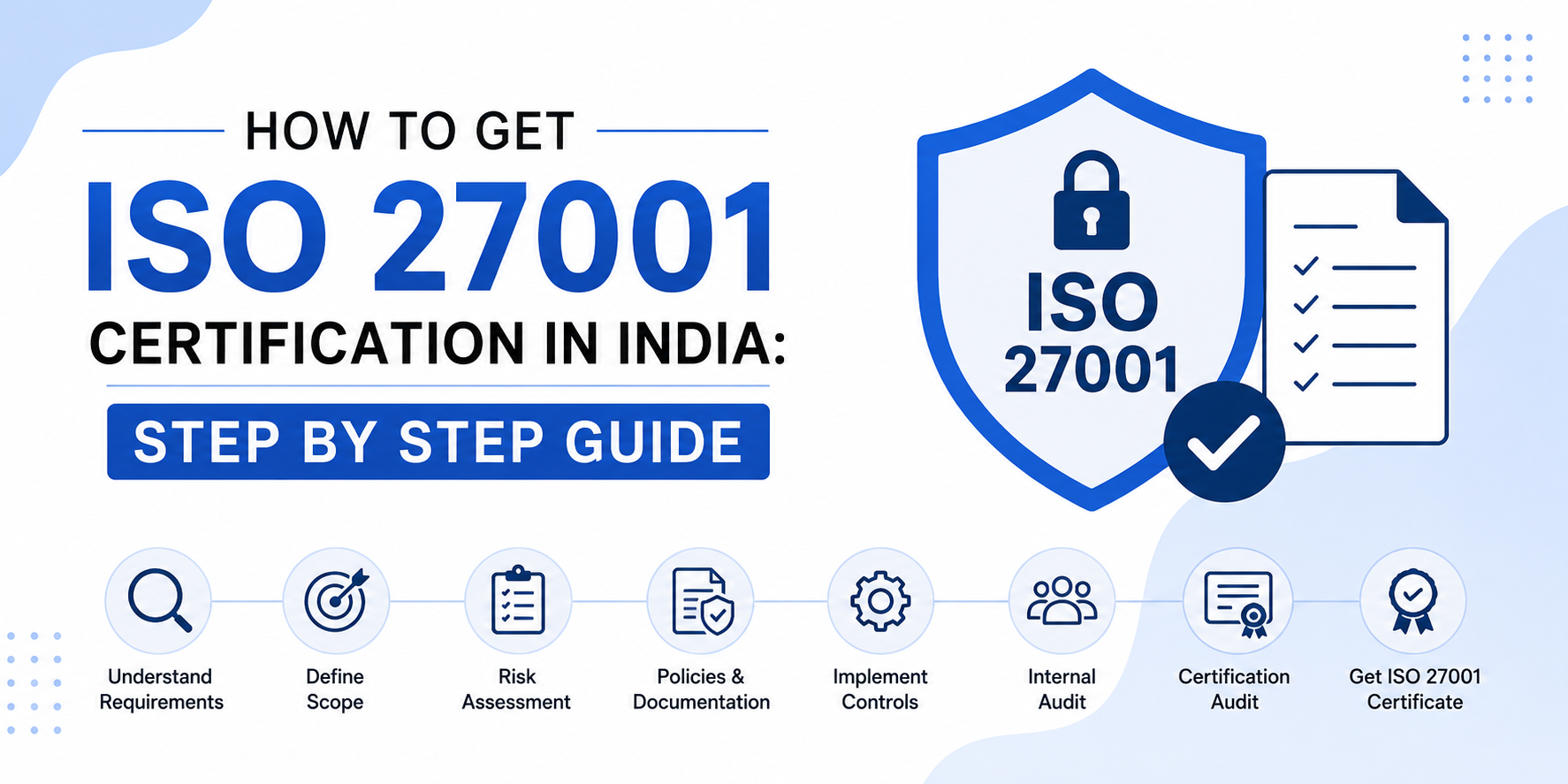
 Data is everywhere in a modern business, customer details, employee files, financial records, sitting on servers and laptops across the company. Protecting all of it has stopped being optional. That’s the gap ISO 27001 Certification fills. It’s proof, verified by an outside body, that a business actually has a working system to keep its information secure, not just a policy document nobody reads. The system itself is called an ISMS, Information Security Management System, and it touches everything from how risks get spotted to how employees are trained on handling data properly. More Indian businesses are going for this now, partly because clients simply ask for it before signing contracts, and partly because a single breach usually costs a lot more than getting certified ever would. This guide covers what ISO 27001 actually is, who should apply, what paperwork is needed, the full process from start to finish, what it costs, and a few mistakes worth steering clear of.

What is ISO 27001 Certification?
ISO 27001 is an international standard that lays out how a business should set up and run its information security system. The ISMS is the actual system, a mix of policies and controls a company builds to protect its data, whether that’s information stored in the cloud or paper files sitting in a cabinet somewhere. It covers spotting risks before they become problems and making sure staff actually know how to handle sensitive information day to day. None of this requires expensive software or a large security department. It just needs a system that works, one that’s actually followed rather than filed away and forgotten.

Why Do Businesses Need ISO 27001 Certification?
Protecting sensitive information comes first, customer records and financial data need real safeguards against leaks or misuse. Clients trust businesses more once they know a certified system sits behind their data. There’s the compliance side too, meeting India’s data protection requirements gets a lot easier with an ISMS already in place. Reputation matters here as well, certified businesses tend to be viewed more favorably, especially where data handling gets scrutinized. And catching security risks early, before they turn into real losses, tends to be the most practical benefit of all.
Who Should Apply for ISO 27001 Certification?
IT and SaaS companies handle client data and code constantly, security needs to be built in from day one for them. BPO and KPO firms manage confidential information belonging to other businesses, so certification is almost expected. Healthcare organizations deal with patient records that demand strict confidentiality. Financial institutions remain a favorite target for cyberattacks given what they hold. E-commerce platforms process payment and personal information regularly. A lot of startups are getting certified early too, mostly to build trust with bigger clients or investors. Government contractors often need this certification just to be eligible for certain projects in the first place.
Eligibility Criteria for ISO 27001 Certification
A business applying needs proper registration in place along with processes that are actually defined, not vague. Basic information security policies should exist already, or be ready to build during the process. Management commitment is a real requirement here, this can’t just be a formality, leadership has to genuinely back it. Some form of risk assessment process, even a simple one to start with, should be in place or in development.
Documents Required for ISO 27001 Certification
Expect to gather a fair bit of paperwork. Company registration certificate, PAN and GST details where applicable, and an organization chart showing team structure come first. The information security policy needs to be written down clearly, along with a risk assessment report listing what’s been identified so far. Auditors will also check for an asset register covering everything under the ISMS, SOPs relevant to handling data, and employee records showing training actually happened.
Step by Step Process to Get ISO 27001 Certification in India
Step 1: Understand ISO 27001 Requirements. Know what the standard actually expects before doing anything else.
Step 2: Define the Scope of ISMS. Pick the teams, departments, and locations this will cover.
Step 3: Perform Risk Assessment. Find the real weak spots, outdated systems, weak passwords, whatever applies to your setup.
Step 4: Create Security Policies and Documentation. Get the paperwork ready, policies, risk register, everything required.
Step 5: Implement the Information Security Controls. Put what’s documented into actual practice across the business.
Step 6: Conduct Employee Training. Everyone needs to understand their part in this, not just IT.
Step 7: Perform Internal Audit. Test the system yourself before the real audit arrives.
Step 8: Management Review. Leadership checks progress and decides what still needs fixing.
Step 9: Certification Audit (Stage 1 & Stage 2). An accredited outside body reviews documents first, then checks how things work in real practice.
Step 10: Receive the ISO 27001 Certificate. Pass both stages and the certificate is yours, good for three years with yearly surveillance checks.
ISO 27001 Certification Cost in India
There’s no fixed number, cost shifts based on the business. Bigger companies need more audit time, so they usually pay more. More employees means more training, which adds to the bill. Extra locations widen the audit scope. Different certification bodies charge different fees, worth comparing a few before deciding. And bringing in outside consultancy support adds another cost on top of everything else.
How Long Does ISO 27001 Certification Take?
Small businesses usually finish in about 2 to 3 months. Medium sized ones take a bit longer, somewhere between 3 to 5 months. Large organizations, particularly those spread across several locations, can take 6 months or more to get through the whole process.
Benefits of ISO 27001 Certification
Better data security tops the list, real controls actually working rather than sitting unused in a document. Customer confidence tends to grow since clients trust businesses with a certified system behind them. It becomes a real advantage in tenders where certification is a listed requirement, and being globally recognized helps when dealing with clients outside India too. A number of legal requirements get satisfied at the same time. Over the longer run, certified businesses often see genuine growth as the trust factor opens up opportunities that might not have come otherwise.
Common Challenges During ISO 27001 Implementation
Documentation almost always takes longer than businesses expect going in. Getting every department aware and on board is harder than a single training session can manage. Risk management specifically needs real experience, guesswork doesn’t cut it here. Daily operations don’t pause for certification work, so time and resources get stretched thin. And staying compliant after certification takes continued effort, not just a push before the audit date.
Tips to Get ISO 27001 Certification Faster
Start with a gap analysis, it tells you exactly where you stand before you waste time guessing. Documentation is another thing, update it as you go along, don’t leave it all for the last week because that’s when mistakes happen. Training staff early works better too, awareness builds on its own instead of getting crammed in at the end. Run internal audits regularly, small problems are a lot easier to fix before the real audit finds them for you. And when it comes to picking a certification body, one with actual experience in your industry usually saves you a lot of back and forth later.
Mistakes to Avoid During ISO 27001 Certification
Incomplete documentation is probably the most common thing auditors flag, and it’s an easy one to avoid if you just stay on top of it. Skipping proper risk assessment is a bigger mistake than it sounds, it’s really the base the whole system rests on. Weak management support can quietly derail the entire effort, leadership involvement genuinely matters here, not just on the org chart but in actual practice. Then there’s skipping internal audits, do that and the surprises just show up during the real certification audit instead, which is the worst time to find out something’s wrong. And poor employee awareness undermines the whole point, since a system only holds up if people actually follow it day to day.
Why Choose Professional ISO 27001 Certification Services?
Working with people who’ve done this before means expert guidance through what can otherwise feel like a confusing process, and that alone saves a lot of headache. Certification tends to move faster too, since experienced consultants know how to sidestep common delays. Documentation gets done right the first time around, saving rework later on. There’s real audit support available, someone helping you prepare and respond with confidence instead of scrambling on the day. And beyond just the certificate, good consultants stick around to help maintain compliance afterward, which honestly matters just as much as getting certified in the first place.
Frequently Asked Questions (FAQ)
What is ISO 27001 Certification?
It’s an international standard confirming a business has a working system in place to protect its information.
How do I get ISO 27001 Certification in India?
Through steps like risk assessment, documentation, implementation, employee training, internal audit, and the final certification audit.
How much does ISO 27001 Certification cost?
Depends on your business size, employee count, number of locations, and the certification body chosen.
How long does ISO 27001 Certification take?
Usually 2 to 6 months, based on how large and complex the business is.
Is ISO 27001 mandatory in India?
Not legally required in most cases, though many clients and industries expect it regardless.
Who can apply for ISO 27001 Certification?
Any business handling sensitive data, IT firms, healthcare providers, e-commerce companies, financial institutions, all fit here.
What documents are required?
Documents like the information security policy, risk assessment report, asset register, and organization chart.
How long is an ISO 27001 certificate valid?
Three years, with surveillance audits happening annually during that period.
Conclusion
Getting ISO 27001 Certification isn’t about clearing an audit and forgetting about it afterward. It’s about building a business that genuinely takes information security seriously in how it operates day to day. From understanding what the standard asks for to walking through each certification step, all of it works toward protecting your data and keeping your customers’ trust intact. If your business is ready to start this process, reach out to ISO 27001 Certification experts at ISO Registry, they can guide you through the entire journey.