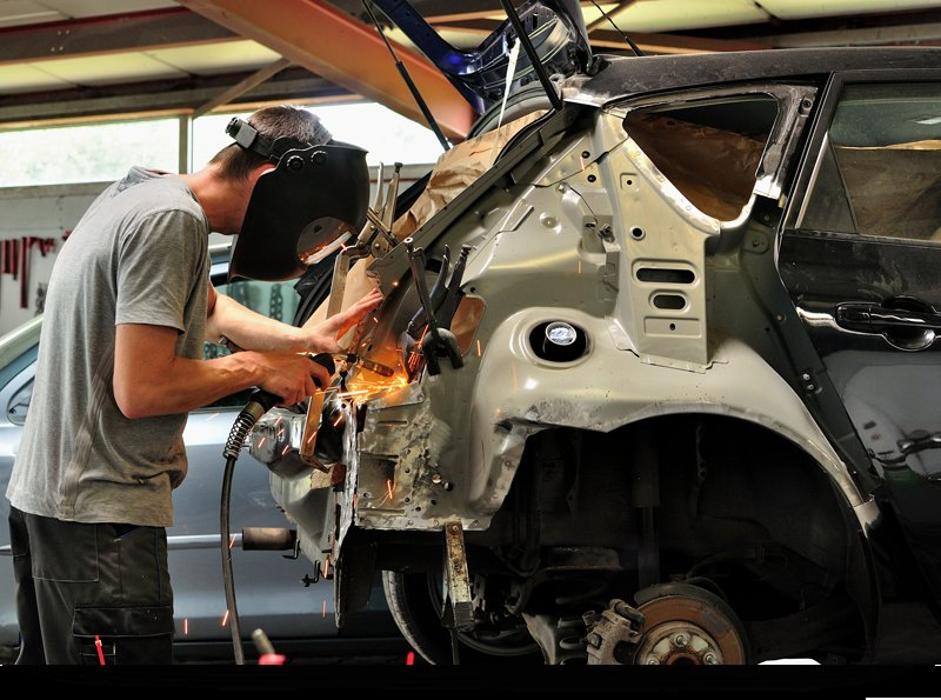
When an old or damaged car reaches the end of its useful life, it does not necessarily become useless. Many parts and materials from an unwanted vehicle can still be recovered, processed and used again. Car recycling helps turn end-of-life vehicles into valuable resources while reducing the amount of automotive waste that goes to landfill.

But what actually happens after a scrap car is collected?

The recycling process involves several stages, from vehicle collection and depollution to dismantling, material separation and reuse. Understanding these steps can help vehicle owners make more informed decisions when it is time to part with an unwanted car.
What Is a Scrap Car?
A scrap car is generally a vehicle that is no longer practical or economical to keep on the road. It could be an older vehicle with extensive wear, a badly damaged car, a vehicle that is no longer roadworthy or one that has simply reached the end of its useful life.
Even when a vehicle can no longer be driven, it can still contain materials with recovery value. Steel, aluminium, copper, plastics, glass, tyres and various components can potentially be separated for reuse or recycling.
Step 1: The Vehicle Is Collected
The first stage is getting the unwanted vehicle to an appropriate recycling or dismantling facility.
Depending on its condition, a car may be transported using a tow truck or another suitable recovery vehicle. This can be particularly useful when the vehicle is damaged, non-running or otherwise unsuitable for driving.
For vehicle owners looking at Cash For Scrap Cars Sydney, the collection process can be an important part of the overall experience. Once the vehicle reaches a suitable facility, it can be inspected and prepared for the next stages of recycling.
Step 2: Fluids and Hazardous Materials Are Removed
Before a vehicle is dismantled, potentially harmful substances need to be removed safely.
End-of-life vehicles can contain fluids such as:
- Engine oil
- Coolant
- Brake fluid
- Transmission fluid
- Fuel
- Refrigerants and other automotive fluids
Batteries and other components that require special handling are also removed.
This stage, commonly known as depollution, helps prevent potentially harmful substances from contaminating soil, water or other recyclable materials.
Step 3: Reusable Parts Are Identified
Not every part of a scrap car needs to be processed as waste.
During dismantling, components that are still in usable condition may be separated for reuse. Depending on the vehicle, these can include engines, gearboxes, wheels, alternators, starter motors, mirrors, doors and other mechanical or body components.
Reusing suitable parts can extend their useful life and reduce the need to manufacture replacement components from new raw materials.
Step 4: The Vehicle Is Dismantled
After reusable and regulated components have been removed, the remaining vehicle is dismantled further.
Different materials are separated as much as practical. These can include ferrous metals such as steel and iron, along with non-ferrous metals such as aluminium and copper.
Other recoverable materials may include plastics, glass and rubber.
Effective separation makes it easier for each material to be directed towards an appropriate recycling or recovery process.
Step 5: Metals Are Separated for Recycling
Metal makes up a significant portion of a typical vehicle, making metal recovery an important part of car recycling.
Steel and iron can be separated from other materials and processed as scrap metal. Aluminium and copper can also be recovered where present.
These metals can then enter recycling streams where they are processed and eventually used in the production of new products.
Recycling metals from old vehicles helps keep useful materials in circulation instead of treating them simply as waste.
Step 6: Other Materials Are Recovered
Cars contain much more than metal.
Depending on the recycling facility and the condition of the materials, other components can also be recovered. Glass from windows and windscreens, plastics from interior and exterior components, and rubber from tyres are examples of materials that may be separated.
Not every material can be recycled in the same way, so proper sorting and processing are important.
Step 7: Recovered Materials Are Processed
Once materials have been separated, they are prepared for their next use.

Scrap metal may be shredded, sorted and processed according to its type and quality. Recovered metals can then be supplied to industries that use recycled material in manufacturing.
Similarly, reusable vehicle components can be inspected and prepared for resale or reuse, while other materials may be sent to specialised recycling streams where appropriate.
This turns an old vehicle into a collection of resources rather than simply sending the entire car to landfill.
Step 8: Recycled Materials Find New Uses
The final stage is where the recovered materials begin another life.
Recycled metals can be used in manufacturing new metal products, while suitable vehicle parts can be reused in other vehicles. Recovered materials such as plastics, glass and rubber may also enter other manufacturing or recycling processes where suitable.
This creates a circular flow in which materials from an old vehicle can become part of new products.
Why Is Car Recycling Important?
Car recycling provides several environmental and practical benefits.
Reducing Automotive Waste
An end-of-life vehicle contains many different materials. Recycling helps divert recoverable materials away from disposal and gives them an opportunity to be used again.
Recovering Valuable Resources
Metals such as steel, aluminium and copper are valuable resources. Recovering them from old vehicles means useful materials can remain in circulation rather than being discarded.
Supporting Material Reuse
Reusable vehicle parts can sometimes continue serving a useful purpose instead of being discarded with the rest of the vehicle.
Reducing the Need for New Raw Materials
When recycled materials are used in manufacturing, some demand for newly extracted raw materials can be reduced. The exact environmental benefit depends on the material, processing method and end use.
What Happens to a Car That Is No Longer Roadworthy?
A vehicle does not have to be roadworthy to contain recyclable materials.
A damaged or non-running car may still contain reusable components and recoverable metals. Once it reaches an appropriate recycling or dismantling facility, it can be assessed and processed according to its condition.
This is one reason responsible vehicle recycling can be useful even when repairing or returning an old car to the road is no longer practical.
How Car Owners Can Support Responsible Recycling
Vehicle owners can also play a role in the recycling process.
When getting rid of an unwanted vehicle, choose a legitimate vehicle recycling or removal service that handles end-of-life vehicles appropriately. Ask how the vehicle will be processed and whether reusable parts and recyclable materials are recovered.
It is also important to provide accurate information about the vehicle’s condition and any known issues. This helps the recycling or removal provider determine the appropriate handling and transportation arrangements.
The Journey From Scrap Car to Reusable Resource
A scrap car may look like nothing more than an unwanted vehicle, but it contains a mixture of materials and components that can still have a useful purpose.
From collection and depollution to dismantling, material separation and reuse, car recycling gives these resources another opportunity to enter the supply chain. Steel can become recycled metal, usable components can find another application, and other recoverable materials can be directed towards appropriate recycling streams.
For vehicle owners, responsible disposal is therefore more than simply getting an old car out of the driveway. It can be part of a wider process that keeps valuable materials in use and reduces unnecessary automotive waste.
Frequently Asked Questions
Can old cars be recycled?
Yes. Many components and materials from old vehicles can be recovered, including metals, selected vehicle parts, glass, plastics and other materials.
What happens to a car before it is recycled?
The vehicle is generally inspected and depolluted before dismantling. Fluids, batteries and other components requiring special handling are removed before recyclable materials are separated.
Can parts from a scrap car be reused?
Yes. Some components may still be in suitable condition and can be inspected, recovered and reused rather than being treated as waste.
Are scrap cars only recycled for their metal?
No. While metal recovery is an important part of vehicle recycling, other materials and usable components may also be recovered depending on the vehicle and available recycling processes.
Is a non-running car still recyclable?
Yes. A vehicle does not need to be operational to contain recyclable materials. Non-running and damaged vehicles can still be dismantled and processed for material recovery.
Final Thoughts
Scrap car recycling is a multi-stage process that gives old vehicles a useful second life through material recovery, component reuse and recycling. What appears to be an unwanted car can contain steel, aluminium, copper, plastics, glass, rubber and reusable parts that can continue into other applications.
By choosing responsible vehicle disposal, car owners can help ensure that an end-of-life vehicle is handled as a source of recoverable resources rather than simply as waste.