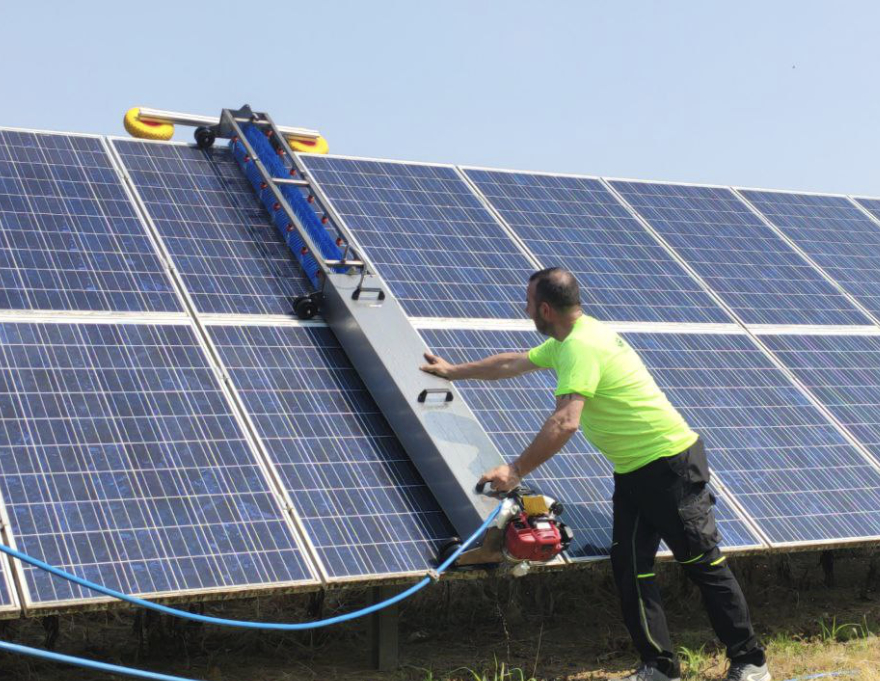
A sunny day does not always guarantee maximum solar energy production. Temperature, clouds, rain, snow, wind, and airborne debris can all change how much electricity a panel generates. Even small environmental factors can become noticeable over time, especially on large installations. Regular Ground-Mount Solar Panel Cleaning can help keep surface dirt from adding another obstacle to efficient energy production. Understanding weather-related effects makes solar maintenance more practical and predictable.

How Weather Conditions Affect Solar Panel Output
Solar panels need light to generate electricity, but the amount and quality of sunlight reaching their surfaces can vary considerably throughout the day. Weather is therefore one of the most important external factors affecting solar production.

A panel may produce excellent results under clear skies, while the same system generates less electricity during heavy cloud cover. However, weather does not affect every system in exactly the same way.
The impact depends on several factors, including:
- Panel technology and efficiency
- Installation angle and direction
- Geographic location
- Temperature
- Cloud coverage
- Snow or rainfall
- Dust and airborne particles
- Duration of unfavorable weather
Understanding these conditions helps property owners distinguish normal seasonal changes from maintenance-related performance issues.
Does Hot Weather Reduce Solar Panel Efficiency?
It may seem logical that hotter weather should improve solar production because strong sunlight often accompanies high temperatures. However, photovoltaic panels generally perform better at moderate temperatures than under extreme heat.
As the temperature of a solar cell rises, its electrical efficiency typically decreases. This means a panel can receive intense sunlight while producing slightly less electricity than it would under cooler conditions with similar sunlight levels.
Why Panel Temperature Matters
Solar cells are designed to absorb sunlight and convert it into electrical energy. Some of that absorbed energy becomes heat, which raises the panel’s operating temperature.
Most photovoltaic modules have a temperature coefficient that describes how their electrical output changes as cell temperature increases. Manufacturers provide this information in technical specifications.
For example, a panel may lose a portion of its rated power as its cell temperature rises above the reference temperature used for laboratory testing.
How Installation Design Can Help
Installation design can influence heat management. Ground-mounted systems may have more airflow around the panels than some roof-mounted installations, depending on their structure and surroundings.
Adequate spacing and ventilation allow heat to dissipate more effectively. While cleaning does not directly cool a panel, removing accumulated material can help maintain the intended surface condition and prevent dirt from compounding other performance problems.
How Cloudy Weather Changes Solar Production
Clouds reduce the amount of direct sunlight reaching solar panels. As a result, electricity production generally falls during overcast conditions.
However, solar panels do not stop working simply because the sky is cloudy. They can still use diffuse sunlight, which is sunlight scattered through the atmosphere.
Light Clouds Versus Heavy Clouds
Thin cloud cover may cause a modest reduction in output, while thick storm clouds can produce a much larger decline. The exact change depends on cloud thickness, solar angle, panel technology, and local atmospheric conditions.
This is why comparing production from a cloudy day directly with production from a clear summer day can create a misleading picture of system performance.
Instead, property owners should examine production trends over longer periods and compare them with expected seasonal weather conditions.
Can Rain Help Solar Panels?
Rain can have two very different effects on a solar installation.
During rainfall, clouds generally reduce sunlight and therefore lower electricity generation. Once the rain passes and sunlight returns, however, rainfall can help remove some loose dust and particles from the panel surface.
Rain should not be considered a complete substitute for professional cleaning.
Why Rain Does Not Remove Everything
Rainwater may carry minerals, dust, pollen, and other particles. When water evaporates, it can leave behind deposits that remain on the glass.
Bird droppings, oily residue, stubborn dust, and other contaminants may also remain after rainfall.
For this reason, Solar Panel Cleaning can still be necessary even in regions that receive regular rain.
How Snow Affects Solar Panel Performance
Snow can have a significant short-term effect when it covers the active surface of a solar panel. A thick layer can block sunlight and sharply reduce or temporarily stop electricity generation.
The impact depends on the amount of snow, its density, the panel angle, and how quickly it slides or melts.
Should Snow Be Removed?
Light snow may sometimes slide away naturally, particularly from panels installed at steeper angles. Dark panel surfaces can also absorb sunlight and contribute to melting after conditions improve.
However, heavy accumulation may require attention, particularly when prolonged coverage is expected.
Snow removal should always be performed according to the manufacturer’s recommendations. Improper tools or aggressive scraping can scratch the panel surface or damage components.
How Wind Affects Solar Panels
Wind itself does not normally reduce photovoltaic efficiency simply because air is moving across the panel. In fact, airflow can help remove heat from the module surface.
The greater concern is strong wind carrying dust, leaves, branches, or other debris toward the installation.
Severe weather can also place mechanical stress on mounting structures. Properly designed and installed systems are engineered to withstand specified environmental loads, but inspections after major storms can still be useful.
What to Check After Severe Weather
After unusually strong weather, property owners can look for:
- Visible debris on panels
- Damaged mounting components
- Loose cables
- Cracked or visibly damaged modules
- Fallen branches
- Significant changes in system output
Electrical components should be inspected by qualified professionals when damage is suspected.
Why Dust and Debris Matter in Different Weather Conditions
Weather does not only affect solar panels through temperature or sunlight. It also determines how much material accumulates on their surfaces.
Dry and windy conditions can transport dust, sand, pollen, and other particles onto panels. In agricultural areas, seasonal activities can increase airborne material.
When moisture follows a period of dust accumulation, particles can stick to the surface more firmly.

How Surface Dirt Blocks Sunlight
Solar panels depend on light reaching their photovoltaic cells. A layer of dirt or other material can reduce the amount of usable light reaching the cells.
The effect varies according to the type, thickness, and distribution of the soiling. A light layer of dust may have a smaller impact than thick, uneven deposits.
Regular inspection helps identify whether accumulated material has become significant enough to justify cleaning.
How Ground-Mounted Solar Systems Face Unique Cleaning Challenges
Ground-mounted systems are often easier to access than rooftop installations, but their location can expose them to different environmental conditions.
Panels installed close to the ground may encounter dust, grass clippings, pollen, mud, insects, and other outdoor debris. Nearby roads, agricultural fields, construction areas, and unpaved surfaces can increase the amount of airborne material.
Because conditions vary by location, cleaning schedules should be based on actual soiling rather than a fixed assumption.
Factors That Influence Cleaning Frequency
| Environmental Factor | Potential Effect | Maintenance Consideration |
|---|---|---|
| Dust | Reduces light reaching cells | Inspect regularly |
| Heavy rain | May remove loose dirt | Check for water spots |
| Snow | Can block sunlight | Follow safe removal guidance |
| Wind | Moves dust and debris | Inspect after storms |
| Pollen | Creates surface deposits | Monitor during seasonal peaks |
| Bird activity | Creates localized deposits | Clean affected areas |
| Extreme heat | Can reduce efficiency | Monitor production trends |
| Storms | May introduce debris | Inspect after severe weather |
This approach allows owners to respond to real conditions rather than cleaning unnecessarily or waiting until heavy soiling becomes obvious.
How Solar Panel Cleaning Supports Consistent Performance
Cleaning cannot eliminate weather-related production changes. It can, however, address one controllable factor: surface contamination.
A clean panel has fewer physical obstructions between incoming sunlight and the photovoltaic cells. Maintaining clean surfaces is particularly useful when panels operate in dusty environments or experience frequent airborne contamination.
Practical Cleaning Tips
Before arranging cleaning, consider these practical steps:
- Review the manufacturer’s instructions. Different panel manufacturers may specify particular cleaning methods.
- Inspect the panels visually. Look for dust, bird droppings, pollen, mud, or other deposits.
- Consider local weather patterns. Dry seasons may require more frequent inspections than rainy periods.
- Avoid abrasive materials. Scratches can permanently affect the glass surface.
- Use appropriate water and equipment. Mineral-heavy water can leave deposits after drying.
- Prioritize safety. Ground-mounted panels may be easier to reach, but electrical equipment still requires caution.
- Monitor energy production. Cleaning decisions should be supported by both visual inspection and performance data.
Professional cleaning can be particularly useful for larger solar arrays where consistent maintenance is difficult to manage manually.
How to Tell Whether Weather or Dirt Is Causing Lower Output
A drop in production does not automatically mean the panels need cleaning. Weather conditions should always be considered before diagnosing a performance problem.
Start by reviewing the system’s production data. Compare the affected period with previous days, similar seasons, and local weather conditions where reliable information is available.
Signs That Weather May Be Responsible
Weather is a likely contributor when reduced output occurs during:
- Heavy cloud cover
- Storms
- Significant snowfall
- Short winter days
- Extended periods of haze or atmospheric particles
- Unusually high temperatures
If output remains unusually low after weather conditions return to normal, additional investigation may be appropriate.
Signs That Cleaning May Be Necessary
Surface contamination becomes more likely when:
- Panels visibly appear dirty
- Dust accumulates after extended dry weather
- Bird droppings cover portions of the array
- Production declines gradually rather than suddenly
- Nearby construction creates persistent airborne dust
- Rain leaves noticeable mineral or dirt deposits
Monitoring both environmental conditions and system performance provides a more reliable maintenance strategy.
Seasonal Weather and Solar Energy Production
Solar production naturally changes throughout the year. Longer summer days can provide more potential sunlight hours, while winter brings shorter daylight periods in many locations.
Temperature, cloud cover, storms, and seasonal precipitation add further variation.
For this reason, solar owners should evaluate performance over appropriate time periods rather than expecting identical daily production throughout the year.
Building a Seasonal Maintenance Routine
A practical routine may include:
- Inspecting panels before periods of heavy weather
- Checking for debris after storms
- Monitoring dust during dry seasons
- Inspecting surfaces after pollen-heavy periods
- Reviewing panel condition before winter
- Scheduling professional cleaning when visible contamination becomes significant
This approach keeps maintenance connected to actual environmental conditions.
How Weather Forecasts Can Improve Solar Maintenance
Weather forecasts can help property owners anticipate periods when panels may require additional attention.
For example, a forecast of strong winds may prompt an inspection afterward, while a long dry spell may increase concern about dust accumulation.
Likewise, expected snowfall can encourage owners to review the manufacturer’s guidance before accumulation occurs.
Weather information should not replace physical inspections or system monitoring. Instead, it can help owners decide when those checks are most useful.
Practical Ways to Protect Solar Panel Performance
Weather cannot be controlled, but its impact can be managed.
A useful maintenance strategy combines production monitoring, visual inspections, appropriate cleaning, and professional servicing when necessary.
Keep these principles in mind:
- Do not judge performance from one unusual day.
- Compare output with weather conditions.
- Keep panels free from significant surface contamination.
- Inspect installations after severe storms.
- Follow manufacturer cleaning instructions.
- Avoid abrasive cleaning tools.
- Monitor seasonal production patterns.
- Investigate persistent performance changes.
- Keep surrounding vegetation under control where appropriate.
- Use qualified professionals for electrical or structural concerns.
The goal is not to make panels immune to weather. Instead, it is to prevent avoidable maintenance issues from adding to normal weather-related variation.
Conclusion
Weather plays a major role in solar panel output, from cloud cover and temperature to rain, snow, wind, and airborne dust. Some changes are completely normal, while others can be reduced through sensible maintenance. Regular inspections, performance monitoring, and appropriate Solar Panel Cleaning can help keep environmental buildup from unnecessarily limiting the amount of sunlight reaching the panels. For ground-mounted systems, paying attention to local conditions is especially important because dust, pollen, vegetation, and debris can vary significantly by location. By understanding how weather interacts with solar equipment, owners can make smarter maintenance decisions and support reliable energy production throughout the year.
FAQs
1. Does rain increase solar panel output?
Rain itself does not increase electricity production because rainfall is usually associated with reduced sunlight. However, rain can wash away some loose dirt and dust, potentially leaving panels cleaner once sunny conditions return.
2. Do solar panels work during cloudy weather?
Yes. Solar panels can still generate electricity from diffuse sunlight that passes through or around clouds. However, production is generally lower than under clear, sunny conditions.
3. Does extreme heat reduce solar panel efficiency?
Yes. Solar photovoltaic cells generally become less efficient as their operating temperature rises above their rated reference conditions. Strong sunlight can therefore occur alongside reduced temperature-related efficiency.
4. How often should ground-mounted solar panels be cleaned?
There is no universal cleaning schedule. The appropriate frequency depends on local dust, pollen, rainfall, bird activity, nearby construction, agriculture, and other environmental conditions. Regular inspections can help determine when cleaning is necessary.
5. Can dirty solar panels significantly reduce energy production?
Surface contamination can reduce the amount of sunlight reaching photovoltaic cells. The actual effect varies based on the type and amount of soiling, so monitoring system performance alongside visual inspections is the most practical approach.