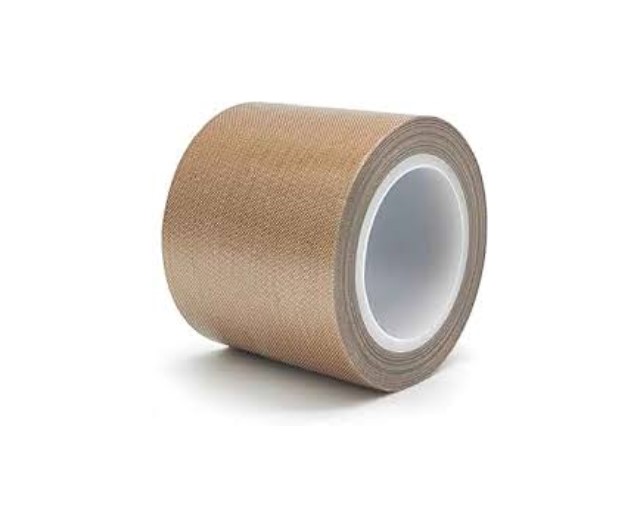
In heat-sealing environments, PTFE adhesive tape is among the most important consumable materials available for protecting sealing bars, platens, and heating elements in impulse sealers, band sealers, and shrink wrap machines across the packaging industry. The tape’s unique combination of extreme temperature resistance, non-stick surface properties, and durable adhesive backing makes it the standard solution in demanding packaging applications where no alternative material can match its performance profile across real production conditions at the speeds and temperatures modern equipment operates.

What PTFE Is and Why It Works
Polytetrafluoroethylene — the polymer that forms the basis of PTFE adhesive tape — was developed as an engineering material for demanding thermal and chemical environments where conventional polymers fail. Its surface energy is among the lowest of any solid material, which is why packaging films, heat-softened plastics, and adhesive residues slide off or release from it cleanly rather than bonding permanently to sealing surfaces the way they would to unprotected metal or conventional tape backings. This combination of thermal stability and inherent non-stick behaviour is what makes PTFE tape irreplaceable in sealing applications.

Thickness and Width Selection
Selecting the correct specification of PTFE adhesive tape requires understanding both the geometry of the sealing system being protected and the operating conditions it faces. Thicker tape provides greater cushioning and longer service life on high-cycle, high-pressure applications. Thinner tape provides better heat transfer where precise temperature control at the sealing surface is critical. Wider tape must fully cover the sealing element plus provide adequate overlap at the edges to prevent the exposed edge lifting that leads to premature tape failure and seal quality problems.
Adhesive Type Considerations
The adhesive system used to bond PTFE adhesive tape to sealing elements matters as much as the PTFE layer itself for long-term performance. Acrylic adhesives provide excellent high-temperature resistance and are appropriate for applications where the tape surface regularly reaches the temperatures typical of sealing operations. Silicone adhesives offer even higher temperature resistance for the most demanding applications. Inadequate adhesive systems that soften at sealing temperatures allow tape edges to lift, creating surface irregularities that produce inconsistent seals and accelerate tape degradation significantly.
Service Life and Replacement Scheduling
Service life for this specialised tape varies based on sealing temperature, cycle frequency, sealing pressure, and the materials being sealed. Operations running aggressive sealing parameters on difficult materials consume PTFE adhesive tape faster than lighter-duty applications. Establishing replacement schedules based on observed service life in specific applications — rather than waiting for visible degradation to cause seal quality failures — prevents the production disruptions and product waste that result from running tape past its effective service life.

Application Technique
Correct application technique for PTFE adhesive tape significantly affects service life and seal quality performance. The sealing surface must be clean, dry, and free of adhesive residue before new tape is applied. Tape should be applied without stretching, which causes the adhesive layer to experience stress that accelerates edge lifting. Edges should be pressed firmly to prevent the lifting that allows film residue to catch and pull tape prematurely. Correct application technique applied consistently during routine maintenance extends service intervals and reduces tape consumption in high-volume operations.
Storage and Handling
Storing PTFE adhesive tape correctly protects its adhesive system and surface properties until application. Tape should be stored in its original packaging away from direct sunlight, which degrades adhesive systems over time. Temperature extremes during storage affect adhesive flow properties and can cause pre-mature activation of the adhesive before the tape reaches the sealing element. First-in, first-out inventory rotation ensures that older stock is consumed before newer stock, maintaining consistent adhesive performance across all tape used during a maintenance programme.
Sourcing from a Reliable Supplier
The quality variation between PTFE adhesive tape from different sources is significant, and basing sourcing decisions solely on price per roll without considering service life and seal quality performance leads to false economy. Tape from a reputable machine parts manufacturer with consistent quality control produces more predictable service life and seal quality than lower-cost alternatives with variable quality. Sourcing from a specialist packaging machinery parts distributor ensures access to the correct specifications for specific machines alongside technical support for tape selection questions.
For maintenance teams sourcing PTFE tape and other consumables from a reliable machine parts manufacturer who stocks the full range of specifications used across modern packaging equipment, a specialist distributor with deep technical knowledge of sealing applications provides better service and more accurate specification guidance than a general industrial supplier.