Short answer, usually yes. Longer answer, depends what’s wrapped around the PTFE, and that’s where people get burned. I’ve seen it more than once. Somebody tosses a whole filter in the autoclave because “PTFE is tough,” and it comes out with a warped housing and a leak. The membrane was fine. Everything else wasn’t. So here’s what I know, what I’d double check, and where I’d stop guessing and go read the datasheet.
Why PTFE Handles Heat So Well
PTFE is polytetrafluoroethylene. Same family as the stuff on non-stick pans. The chemical bonds in it are really strong, so it shrugs off heat and most solvents, doesn’t swell, doesn’t dissolve. The membrane can usually take temperatures well above a normal autoclave cycle. That’s a big reason a ptfe filter turns up everywhere, labs, vent lines, compressed air, industrial fluid work. But “the membrane survives” and “the whole filter survives” are two different sentences. Keep that in your head.

What an Autoclave Is Really Doing
Pressurized saturated steam. Usually around 121°C (250°F) for 15 to 30 minutes, sometimes 134°C (273°F) for a shorter run. Heat plus moisture kills bacteria, spores, viruses, basically everything. It’s the gold standard in most labs. But steam is rough on materials too. It finds weak spots, softens plastics, pushes moisture into places you didn’t plan on. So the filter has to be rated for steam specifically, not just “heat resistant” in a vague way. Tiny difference on paper. Big difference in practice.
The Housing Is Usually the Weak Link
Here’s what most people skip. The membrane might be bulletproof, but the housing could be polypropylene, nylon, polycarbonate, who knows. Polypropylene generally survives autoclaving. Polycarbonate can craze or crack after a few rounds. Cheap glued housings warp and leak. If it’s a sealed syringe filter, look for a clear statement from the maker that it’s autoclavable, because plenty aren’t, and a lot come pre-sterilized anyway. Don’t assume. Read the label. If the label’s vague, read the datasheet. If that’s vague too, email them.
Hydrophobic Membranes Are Their Own Headache
Standard PTFE is hydrophobic, it pushes water away. Great for venting and gas filtration since liquid can’t get through. But steam is water in gas form, and steam sterilization with a hydrophobic membrane can get awkward, because steam needs to reach every surface and the membrane may resist wetting out. Some manufacturers design around this and tell you how. Some don’t mention it at all. If you’re sterilizing a hydrophobic ptfe filter inside a larger setup, check the recommended steam direction and orientation. It matters more than you’d think.
Other Ways to Sterilize
Autoclave isn’t your only option. Gamma irradiation is common for sealed single-use devices and PTFE handles it okay, although really high doses can eventually degrade it and some housing plastics. Ethylene oxide gas works at lower temperatures, handy for heat-sensitive assemblies, but it needs proper aeration afterward so residue doesn’t hang around. Dry heat works too, higher temperatures, longer time, and PTFE can often take it. Alcohol wipes and chemical sterilants are fine for outer surfaces, but they don’t truly sterilize the inside of a filter. Pick the method for the whole device, not just the membrane.
Pre-Sterilized or Do-It-Yourself?
If your filter shows up sterile in a sealed bag, don’t autoclave it. Sounds obvious, happens constantly. It was already sterilized, likely by gamma or EtO, and a steam cycle can wreck the packaging and the unit. On the flip side, reusable setups, say stainless steel housings with replaceable PTFE membranes, you’ll sterilize yourself, and you should have a documented cycle for it. Single-use is easier. Reusable costs less over time but asks more of you. Choose based on how strict your process really needs to be.
Cycle Tips That Save Headaches
Loosen caps or open vents so pressure doesn’t crush anything. Don’t cram the autoclave full, steam needs room to move. If the manufacturer wants a slow exhaust, use it, because fast pressure drops stress assemblies. Let everything cool before you handle it. Then look it over. Warping, cracks, discoloration, water where there shouldn’t be any. A hydrophobic filter that gets wet and stays wet can lose its venting performance. Honestly, when you’re on the fence, replace it. A new filter costs less than a ruined batch.
Integrity Testing After Sterilization
For critical work, pharma or biotech, you don’t just hope it survived. You test. Bubble point and diffusion tests are the common ones, and they show whether the membrane has leaks or damage. Manufacturers publish expected values, you compare yours, and if the filter fails, it’s out. No negotiating. Even in less regulated labs, a quick check after repeated sterilizations is smart. A membrane can stay chemically stable and still pick up tiny defects from stress or rough handling. You won’t see those by eye.
How Many Cycles Can One Take?
There’s no universal number, which is annoying. PTFE itself handles lots of cycles. It’s the housing, seals and adhesives that give out. Some reusable assemblies are rated for dozens of runs, some disposables for exactly none. Keep a simple log of how many cycles each reusable unit has been through, and retire it at the manufacturer’s limit or sooner if it looks tired. Fluorinated rubber and PTFE-based seals tend to last longest. Cheaper elastomers harden and crack. A ten-dollar gasket failing shouldn’t cost you a whole run.

What About Shop and Plant Use?
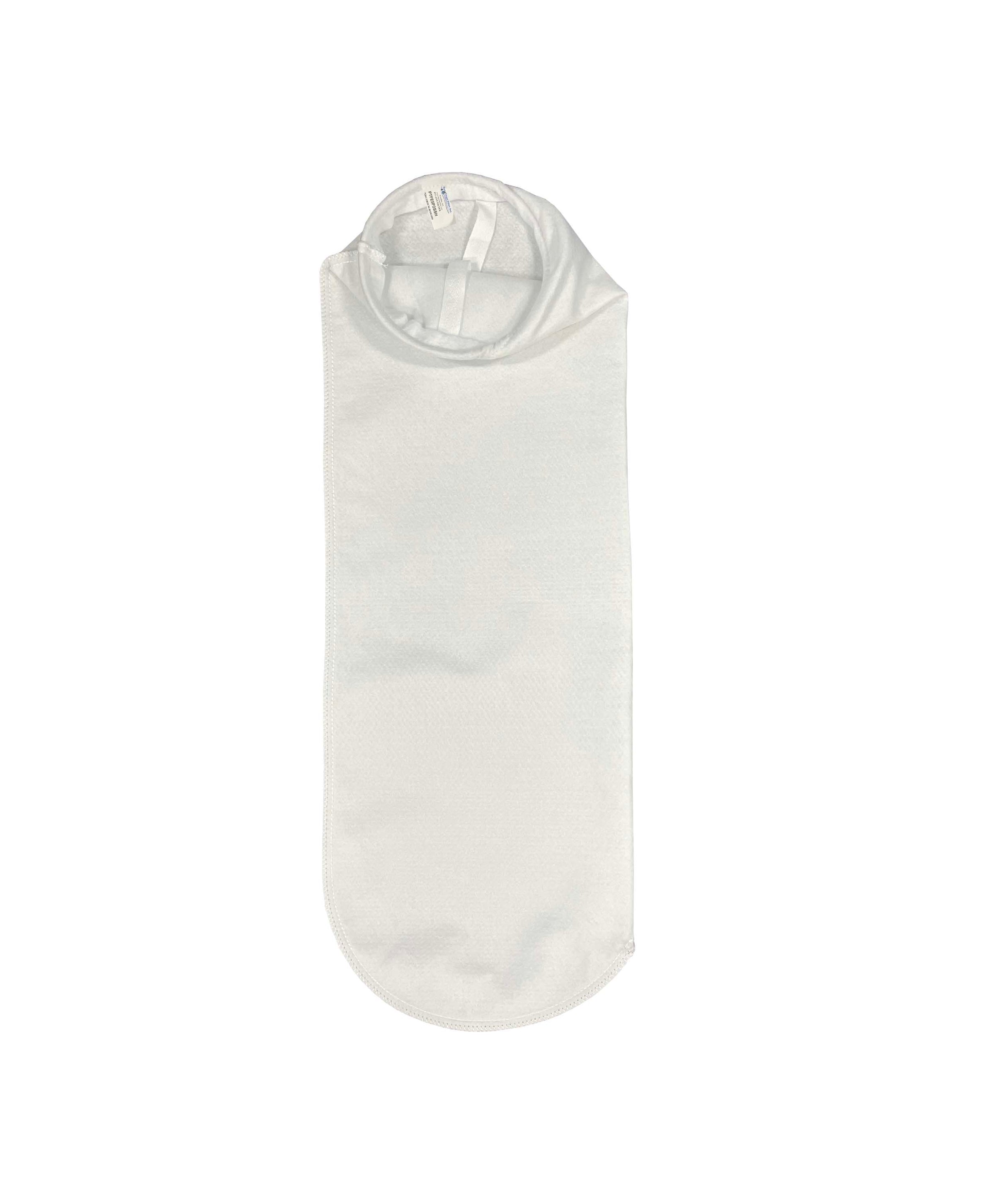
Not everybody sterilizing a filter works in a lab. In shops and plants, PTFE shows up on tank vents, air lines, and sometimes around machining setups. People ask me if the same rules apply to cutting oil filtration systems. Mostly no. Those systems care more about chemical compatibility, particle size and temperature than sterility, so a ptfe filter there usually gets cleaned or swapped, not autoclaved. If bacteria growth in coolant is a problem, sanitizing connected parts matters. But check what the system maker approves first, since heat and solvents can chew up seals fast.
Conclusion
So, can PTFE filters be autoclaved? The membrane usually can. The whole filter might not. Look at the housing material, the seals, whether it’s hydrophobic, and whether it’s pre-sterilized or reusable. Follow the manufacturer’s limits, run sensible cycles, and test integrity if your work demands it. Autoclave is the common route, but gamma, EtO and dry heat all have a place. In industrial settings, like cutting oil filtration systems, cleaning and replacing often beats sterilizing. And when you’re unsure, the datasheet beats guessing. Every time.
FAQs
Can a ptfe filter be autoclaved?
Often yes, since the membrane tolerates steam temperatures. But housings, seals and glue may not, so confirm the whole device is rated for autoclaving.
What temperature can a PTFE filter handle?
The membrane handles well beyond standard autoclave temperatures of 121°C to 134°C. The real limit is usually the housing or seals.
Can I autoclave a pre-sterilized PTFE filter?
No. Pre-sterilized single-use filters are sealed and already treated, and autoclaving can damage the packaging and the device.
What other methods can sterilize PTFE filters?
Gamma irradiation, ethylene oxide and dry heat are all used. The right one depends on the housing material and manufacturer guidance.
How many times can a PTFE filter be sterilized?
Depends on the assembly. The membrane lasts, but housings and seals wear out. Follow the cycle limit and inspect after every run.
Are PTFE filters used in cutting oil filtration systems?
Sometimes, on vents and air lines. Those systems focus on compatibility and particles more than sterility, so filters are usually cleaned or replaced.