Facial skin naturally changes with age. Fine lines may become more noticeable, skin can lose some of its firmness, and uneven pigmentation, enlarged pores, or a dull complexion may affect the overall appearance of the face. Sun exposure, lifestyle habits, genetics, and environmental factors can also contribute to these changes. Fortunately, several aesthetic treatments are available to help improve skin texture, tone, and visible signs of ageing.

Choosing the best face rejuvenation treatment depends on your skin concerns, medical history, age, expectations, and willingness to undergo recovery. Some treatments focus on improving hydration and surface texture, while others target wrinkles, pigmentation, collagen production, or facial volume.

Understanding the available options, their benefits, and potential risks can help you make an informed decision. With professional guidance, patients can explore suitable treatments that support healthier-looking skin while maintaining natural facial features.
What Is Face Rejuvenation Treatment?
Face rejuvenation treatment refers to a range of non-surgical and surgical procedures designed to improve the appearance of facial skin and address visible signs of ageing. Depending on the method, treatment may help reduce fine lines, improve skin texture, soften pigmentation, restore volume, or support collagen production.
There is no single procedure that works best for everyone. A suitable approach begins with identifying the main concern and selecting a treatment that matches the patient’s skin condition and desired outcome.
Common concerns addressed through facial rejuvenation include:
- Fine lines and wrinkles
- Uneven skin tone and sunspots
- Loss of skin firmness and elasticity
- Dull or rough skin texture
- Acne scars and enlarged pores
- Volume loss around the cheeks or under the eyes
- Mild skin laxity and changes in facial contours
A qualified aesthetic practitioner can assess these concerns and explain which options are appropriate.
Types of Face Rejuvenation Treatments
Different treatments work in different ways. Some improve the skin’s surface, while others stimulate collagen, relax specific facial muscles, or restore lost volume.
1. Chemical Peels
Chemical peels use carefully selected chemical solutions to exfoliate the outer layers of the skin. Depending on the type and strength of the peel, the procedure may improve uneven pigmentation, mild acne-related concerns, rough texture, and fine lines.
Superficial peels generally involve less downtime than medium or deep peels. The appropriate formulation depends on skin type, sensitivity, the condition being treated, and the practitioner’s assessment.
Potential benefits:
- Smoother-looking skin
- More even skin tone
- Improvement in certain types of pigmentation
- Reduction in the appearance of some superficial imperfections
Temporary redness, dryness, peeling, and sensitivity may occur. Incorrectly selected or administered peels can cause burns, infection, or lasting pigmentation changes, particularly in skin that is prone to post-inflammatory hyperpigmentation.
2. Laser Skin Rejuvenation
Laser treatments use concentrated light energy to target specific skin concerns. Depending on the technology, they may address sun damage, uneven pigmentation, visible blood vessels, acne scars, or wrinkles. Some laser procedures also stimulate collagen remodelling.
Ablative lasers remove controlled layers of skin and usually require more recovery time. Non-ablative lasers work beneath the skin’s surface without removing the same amount of tissue, although several sessions may be needed.
The main benefits may include improved skin texture, a more even complexion, and softening of certain signs of ageing. However, results vary according to the laser used and the patient’s skin condition.
Possible risks include redness, swelling, burns, scarring, infection, and changes in pigmentation. A careful assessment of skin tone and recent sun exposure is particularly important before treatment.
3. Microneedling
Microneedling involves creating controlled, tiny punctures in the skin using a specialised device. This process activates the body’s wound-healing response and can support collagen production over time.
It is commonly considered for acne scars, uneven texture, enlarged pores, and fine lines. Improvement generally develops gradually, and a series of sessions may be recommended depending on the concern.
Temporary redness, swelling, tenderness, and pinpoint bleeding can occur. Less commonly, patients may develop infection, scarring, or pigmentation changes.
Microneedling should be performed using appropriate sterile equipment and professional techniques. It may not be suitable for everyone, particularly people with certain active skin infections or inflammatory skin conditions.
4. Botox and Other Botulinum Toxin Treatments
Botulinum toxin injections temporarily reduce the activity of selected facial muscles. They are often used to soften dynamic wrinkles, including forehead lines, frown lines, and crow’s feet.
These treatments work differently from procedures that improve skin texture. They target muscle movement rather than directly removing pigmentation or replacing lost facial volume.
Results usually develop over several days, with the full effect becoming apparent within approximately two weeks. The effects are temporary, and repeat treatment may be needed to maintain them.
Possible side effects include bruising, swelling, headache, and temporary eyelid or eyebrow drooping. The treatment should be administered by a qualified medical professional who understands facial anatomy and appropriate dosing.
5. Dermal Fillers
Dermal fillers are injectable products used to restore volume, improve selected facial contours, and soften certain lines. Many commonly used fillers contain hyaluronic acid, a substance that attracts water and helps provide volume.
Depending on the product and treatment area, fillers may be used around the cheeks, lips, chin, or other suitable areas. They can create visible changes relatively quickly, but the result depends on the injection technique, product, and individual anatomy.
Common temporary effects include swelling, tenderness, and bruising. More serious complications, although uncommon, include infection, lumps, and vascular occlusion, which can damage tissue and, in rare cases, threaten vision.
Because of these risks, fillers should only be administered by an appropriately qualified practitioner with the knowledge and equipment needed to manage complications.
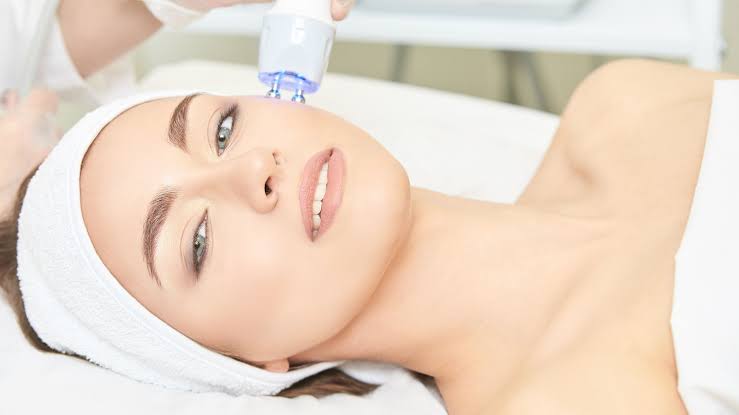
6. Radiofrequency Skin Tightening
Radiofrequency treatments deliver controlled energy into the skin to heat targeted tissues. Certain devices are designed to encourage collagen remodelling and improve the appearance of mild skin laxity.
Patients may consider this option when they notice reduced firmness around the cheeks, jawline, or neck. Improvements generally develop gradually rather than immediately, and results vary according to the device and the degree of skin laxity.

Potential side effects include temporary redness, swelling, tenderness, and discomfort. Burns, fat loss, or nerve injury are possible complications with some devices or treatment techniques. A professional assessment is important before proceeding.
7. Medical-Grade Facials and Skin-Boosting Treatments
Professional facials and selected skin treatments can support hydration, gentle exfoliation, and the removal of surface impurities. Certain injectable skin boosters are designed to improve hydration or skin quality, depending on the product used.
These treatments may be useful for people concerned about dullness, dryness, or mild textural changes. However, they generally cannot replace procedures intended to correct substantial wrinkles, significant volume loss, or marked skin laxity.
The practitioner should explain the expected benefits, product ingredients, possible reactions, and the evidence supporting the proposed treatment.
How to Choose the Best Face Rejuvenation Treatment
The best option is the one that addresses your main concern while taking your skin health, safety, and expectations into account. A consultation helps determine whether a single procedure or a combination of treatments is appropriate.
Consider the following factors before making a decision.
Identify Your Main Skin Concern
Different problems require different approaches.
- Fine lines caused by facial movement: Botulinum toxin may be appropriate for selected areas.
- Sunspots and uneven pigmentation: Certain chemical peels or laser treatments may help after proper assessment.
- Acne scars and rough texture: Microneedling or selected resurfacing procedures may be considered.
- Loss of facial volume: Dermal fillers may be suitable in specific cases.
- Mild skin laxity: Some radiofrequency or energy-based treatments may provide improvement.
- Dryness and dullness: A suitable skincare routine and selected professional treatments may help.
These are general examples rather than individual recommendations. A practitioner must determine whether a treatment is safe and suitable for your skin.
Consider Your Skin Type and Medical History
Skin tone, sensitivity, previous scarring, active acne, existing skin conditions, medications, and a history of cold sores can influence treatment selection. Some procedures carry a higher risk of pigmentation changes in darker skin tones, so experience with the relevant skin type is important.
Tell your practitioner about your medical history, allergies, previous aesthetic procedures, and any medication you take. Also disclose pregnancy or breastfeeding, as some elective aesthetic procedures may need to be postponed.
Understand Recovery and Maintenance
Not every treatment offers immediate results, and some procedures require multiple sessions. A gentle facial may involve little downtime, while resurfacing treatments can require several days or longer for the skin to recover.
Ask about expected results, the number of sessions, maintenance requirements, total cost, and possible complications before agreeing to treatment.
Benefits of Facial Rejuvenation
When appropriately selected and performed, facial rejuvenation treatments may offer several benefits.
- Improved skin texture: Some procedures help soften roughness, superficial scars, and enlarged pores.
- More even skin tone: Selected treatments may reduce the appearance of sunspots and certain types of pigmentation.
- Softer-looking wrinkles: Muscle-relaxing injections and resurfacing procedures address different types of facial lines.
- Better facial balance: Carefully placed fillers may restore selected areas of lost volume.
- Improved skin firmness: Certain energy-based procedures may support collagen remodelling.
- Personalised treatment options: Procedures can be selected according to individual concerns rather than following a single approach for every patient.
It is important to maintain realistic expectations. Facial rejuvenation may improve selected features, but it cannot stop the natural ageing process or guarantee a particular result.
Risks and Safety Considerations
Every aesthetic procedure carries some degree of risk, including treatments described as minimally invasive or non-surgical. The type and severity of possible complications depend on the procedure, the equipment or product used, the practitioner’s expertise, and the patient’s health.
Before treatment, discuss:
- Expected benefits and realistic limitations
- Common side effects and uncommon but serious complications
- Available alternatives, including no treatment
- Required aftercare and recovery time
- The practitioner’s qualifications and experience
- What to do if a complication develops
Choose a licensed, appropriately qualified medical professional working in a suitable clinical setting. Do not select a procedure based solely on price, social media photographs, or promotional claims.
After treatment, follow the specific aftercare instructions provided by your practitioner. Sun protection is particularly important for maintaining skin health and reducing the risk of further sun damage. Seek prompt medical attention if you experience severe or worsening pain, unusual skin discolouration, spreading redness, fever, or vision changes after an aesthetic procedure.
What to Expect During a Face Rejuvenation Consultation
A consultation should focus on your concerns, health, and desired outcomes rather than immediately recommending a procedure.
The practitioner may review your medical history, assess your skin, discuss previous treatments, and explain suitable options. They should also describe the expected timeline, potential side effects, recovery requirements, and approximate costs.
At La Clinique Dubai, patients considering facial aesthetic treatments can use a consultation to discuss their skin concerns and understand the options available to them. Treatment selection should be based on an individual assessment, appropriate clinical expertise, and realistic expectations.
You should feel comfortable asking questions and taking time to decide. A trustworthy treatment plan prioritises safety and suitability over the number of procedures performed.
Frequently Asked Questions
1. What is the best face rejuvenation treatment for ageing skin?
There is no single best treatment for everyone. Botulinum toxin may help with selected expression lines, fillers may address certain types of volume loss, and laser treatments or microneedling may improve specific textural concerns. A professional assessment helps identify the most suitable option.
2. Which facial rejuvenation treatment has the least downtime?
The recovery period depends on the procedure and its intensity. Some professional facials and superficial peels involve minimal downtime, while deeper peels, ablative lasers, and other resurfacing treatments may require a longer recovery period.
3. Are non-surgical face rejuvenation treatments safe?
They can be appropriate when performed on suitable patients by qualified professionals using approved products and suitable equipment. However, non-surgical procedures still carry risks, so patients should understand potential complications and aftercare requirements before treatment.
4. How long do face rejuvenation results last?
Results vary considerably by treatment. Botulinum toxin effects commonly last around three to four months, while filler longevity depends on the product and treatment area. Results from skin resurfacing or collagen-stimulating procedures also vary and may require maintenance.
5. Can different face rejuvenation treatments be combined?
Yes, selected treatments can sometimes be combined or scheduled in stages to address different concerns. However, combining procedures is not suitable for everyone. A qualified practitioner should determine the appropriate sequence and timing to minimise risks.
Conclusion
The best face rejuvenation treatment is one that addresses your specific skin concerns, fits your expectations, and prioritises safety. Options such as chemical peels, laser resurfacing, microneedling, botulinum toxin, dermal fillers, and radiofrequency treatments offer different benefits and have different limitations.
Before choosing a procedure, seek a personalised consultation, ask about potential risks, and make sure you understand the recovery process and expected results. For those exploring facial aesthetic options, La Clinique Dubai provides a starting point for discussing individual concerns and learning about appropriate treatment choices. A thoughtful, medically guided approach can help you make confident decisions about your skin and long-term skincare goals.