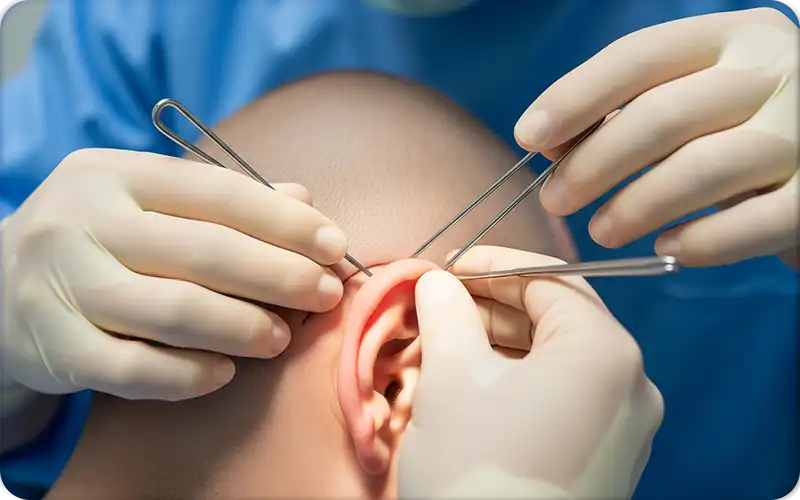
The shape and position of the ears can influence facial balance and personal confidence. For people who feel their ears protrude too far, appear asymmetrical, or have an unusual shape, otoplasty may offer a way to address these concerns. Often called ear correction surgery, otoplasty is a procedure designed to improve the appearance of the ears while maintaining a natural relationship with the rest of the face.

Understanding the recovery process is an important part of deciding whether to undergo treatment. Patients considering otoplasty surgery in dubai often want to know how long healing takes, when they can return to work or school, whether discomfort is expected, and how soon the final results become visible.

Although recovery varies from person to person, knowing what to expect at each stage can make the experience more manageable. With an appropriate surgical plan, careful aftercare, and regular follow-up appointments, patients can better understand their healing progress and make informed decisions about ear correction.
What Is Otoplasty Surgery?
Otoplasty is a surgical procedure that changes the shape, position, or proportions of the external ears. It is commonly performed to reduce the appearance of prominent ears, improve ear symmetry, or correct certain structural differences that may be present from birth or develop after an injury.
The procedure focuses on the outer ear, also known as the auricle or pinna. Depending on the patient’s anatomy and treatment goals, a surgeon may reshape the cartilage, reposition the ears closer to the head, or adjust the contours of the ear.
Who May Consider Ear Correction Surgery?
Otoplasty may be suitable for:
- Adults who feel their ears protrude noticeably.
- Children whose ears have developed sufficiently for surgery and who are appropriate candidates.
- Individuals with uneven ear positioning or shape differences.
- Patients seeking correction of certain ear deformities caused by injury or previous surgery.
A consultation helps determine whether surgery is appropriate. The surgeon considers ear anatomy, general health, expectations, and the specific changes the patient wishes to achieve.
Otoplasty is generally intended to improve appearance rather than hearing. It does not usually address problems involving the inner ear or the structures responsible for hearing.
Otoplasty Surgery in Dubai: What Happens During the Procedure?
The surgical approach depends on the patient’s ear structure and the desired outcome. In many cases, the procedure involves making an incision behind the ear, where the resulting scar is usually less noticeable.
The surgeon then reshapes or repositions the cartilage using appropriate surgical techniques. Sutures may be used to maintain the new shape or position. Some patients require adjustments to the cartilage, while others need a combination of techniques.
Otoplasty may be performed under local anaesthesia, sometimes with sedation, or general anaesthesia, depending on the patient’s age, the complexity of the procedure, and the surgeon’s recommendation.
Before surgery, patients should discuss the expected changes, possible limitations, anaesthesia options, and potential risks. Clear communication helps establish realistic expectations and supports informed consent.
Otoplasty Recovery Timeline: What to Expect
Recovery after ear correction surgery happens gradually. Initial swelling and tenderness generally improve during the first few weeks, while subtle changes in the appearance of the ears may continue as the tissues settle.
The following timeline provides a general guide. Individual recovery may differ depending on the surgical technique, overall health, and the body’s healing response.
First 24–48 Hours: Rest and Initial Healing
During the first couple of days, patients may experience mild to moderate discomfort, swelling, tenderness, and a feeling of pressure around the ears. These symptoms are common after surgery, although their intensity varies.
A protective dressing or head bandage may be applied to support the ears and help protect the surgical area.
During this period, patients should:
- Rest and avoid unnecessary physical exertion.
- Follow the surgeon’s instructions for prescribed medication.
- Keep the dressing clean and dry as directed.
- Avoid touching, pulling, or putting pressure on the ears.
- Attend any scheduled early postoperative review.
Sleeping with the head elevated may help manage swelling if recommended by the treating surgeon. Patients should not remove or adjust a surgical dressing unless instructed to do so.
Days 3–7: Managing Swelling and Discomfort
During the first week, swelling, bruising, and tenderness may remain noticeable but should generally begin improving. Some patients may also experience itching or a sensation of tightness as healing progresses.
The surgeon may arrange a follow-up appointment to assess the ears, review wound healing, and advise whether the dressing can be removed or changed.
Light daily activities may become more comfortable, but strenuous exercise and activities that could bend or injure the ears should still be avoided.
It is important not to judge the final appearance at this stage. Swelling can temporarily affect the shape and symmetry of the ears.
Weeks 2–3: Returning to Everyday Activities
Many patients can return to desk-based work, school, or other routine activities within approximately one to two weeks, depending on their comfort and the nature of their responsibilities.
Visible bruising and swelling often decrease during this period. However, the ears may still feel sensitive, and some residual swelling can remain.
Patients should continue to follow their surgeon’s recommendations regarding headbands, sleeping positions, personal care, and activity restrictions.
People who participate in contact sports or activities involving a risk of ear trauma may need a longer recovery period before returning.
Weeks 4–6: Gradual Improvement in Appearance
By the fourth to sixth week, many patients notice that the ears look more settled and that most of the obvious postoperative swelling has improved.
Light exercise may be resumed gradually when the surgeon confirms that healing is progressing appropriately. High-impact activities, contact sports, and anything that places pressure on the ears may require additional restrictions.
The recovery timeline should be based on the individual’s clinical assessment rather than a fixed date.

After Six Weeks: Assessing the Results
For many patients, the overall appearance of the ears becomes easier to assess after several weeks. However, subtle swelling, firmness, or changes in tissue flexibility can persist for longer.
The final outcome may take several months to become fully apparent. Follow-up appointments allow the surgeon to evaluate the position of the ears, assess healing, and discuss any remaining concerns.
What Results Can Patients Expect After Otoplasty?
Otoplasty aims to create a more balanced ear position or shape while maintaining a natural appearance. The results depend on the original ear anatomy, the surgical technique, and the body’s healing response.
Potential improvements include:
- Reduced prominence of the ears.
- Better balance between the ears and the face.
- Improved symmetry where anatomically achievable.
- A more defined or natural-looking ear contour.
It is important to understand that perfect symmetry cannot always be achieved. Natural ears are rarely identical, and small differences may remain after surgery.
Otoplasty results are generally long-lasting, but outcomes cannot be guaranteed. Cartilage can change during healing, and complications or changes in ear position may occasionally require further assessment or revision surgery.
Patients should discuss their expectations openly during the consultation and review what can realistically be achieved in their individual case.
Factors That Can Affect Recovery
Several factors may influence how quickly patients recover after ear surgery.
Surgical Technique and Individual Anatomy
The extent of cartilage reshaping and repositioning can affect postoperative swelling and tenderness. More complex corrections may require additional healing time.
General Health and Healing Response
Age, overall health, smoking, certain medications, and other individual factors may influence wound healing. Patients should share their medical history and current medication list with the surgical team before treatment.
Following Aftercare Instructions
Protecting the ears from pressure and trauma is particularly important during recovery. Patients should follow instructions about dressings, bathing, sleeping, exercise, and any recommended headband.
A headband may be advised during certain stages of recovery, particularly while sleeping. Its purpose and duration should be determined by the surgeon rather than assumed to be the same for everyone.
Attending Follow-Up Appointments
Follow-up visits help identify healing concerns early and provide an opportunity to ask questions about swelling, scar appearance, discomfort, or changes in ear position.
Patients should not skip appointments simply because the ears appear to be healing normally.
Possible Risks and When to Contact a Surgeon
Like any surgical procedure, otoplasty carries potential risks. These include bleeding, infection, reactions to anaesthesia, visible scarring, changes in skin sensation, asymmetry, cartilage irregularities, and recurrence of ear prominence.
Mild discomfort and swelling can be expected, but symptoms that worsen rather than improve should not be ignored.
Contact the surgical team promptly if you notice:
- Increasing or severe pain.
- Rapidly increasing swelling or significant bleeding.
- Fever, spreading redness, or unusual discharge.
- Sudden changes in ear shape or position.
- Skin colour changes or other unexpected symptoms.
Severe or rapidly worsening symptoms require urgent medical assessment. Early evaluation can help determine whether treatment is necessary.
Choosing a Surgeon for Otoplasty in Dubai
Selecting an appropriately qualified surgeon is an important step in the treatment process. Patients should look for relevant surgical training, experience with ear correction procedures, clear communication, and a suitable clinical facility.
During a consultation, consider asking:
- What surgical technique is appropriate for my ear structure?
- What results are realistic in my case?
- What are the potential risks and limitations?
- How long should I plan to take off work or school?
- Will I need a headband or other protective support?
- What follow-up care will be provided?
- What should I do if a complication develops?
Patients researching otoplasty surgery in Dubai can discuss their concerns and treatment goals with Dr. Jerome Paris as part of an individual consultation. The purpose of this discussion is to understand the patient’s anatomy, explore appropriate options, and establish realistic expectations for recovery and results.
A personalised assessment is more useful than relying solely on photographs or general recovery timelines, as each patient’s needs and healing experience can differ.
Frequently Asked Questions
1. How long does it take to recover from otoplasty surgery?
Initial recovery usually takes around one to two weeks, although swelling and tenderness may continue for several weeks. Many patients return to routine activities during this period, while contact sports and strenuous exercise may require a longer break. The exact timeline depends on the procedure and the surgeon’s advice.
2. Is otoplasty surgery painful?
Patients may experience tenderness, pressure, or mild to moderate discomfort after surgery. These symptoms are generally most noticeable during the initial days and usually improve with time. The surgical team can recommend appropriate pain management based on the patient’s needs.
3. When can I see the final results of ear correction surgery?
An improvement in ear position may be visible soon after the initial dressing is removed, but swelling can temporarily affect the appearance. The ears often look more settled after several weeks, while the final outcome may take several months to assess.
4. Will I need to wear a headband after otoplasty?
Some surgeons recommend a protective headband during recovery to help protect the ears and maintain their position. The recommended duration varies according to the surgical technique and healing progress. Patients should follow their own surgeon’s instructions.
5. Are the results of otoplasty permanent?
Otoplasty generally produces long-lasting changes to ear shape or position. However, healing differences, cartilage changes, complications, or recurrence of prominence can affect the outcome. No surgical result can be guaranteed, so patients should discuss potential limitations before treatment.
Conclusion
Understanding the recovery timeline is an important part of preparing for ear correction surgery. Although many patients resume everyday activities within one to two weeks, complete healing and the final appearance of the ears may take several months. Protecting the ears, following postoperative instructions, attending follow-up appointments, and recognising warning signs can all contribute to safer recovery.
For anyone considering otoplasty surgery in Dubai, a personalised consultation can help clarify the available options, expected healing stages, potential risks, and realistic outcomes. Dr. Jerome Paris can be a point of contact for discussing individual concerns and understanding the considerations involved in ear correction surgery. The most appropriate treatment plan should always be based on a professional assessment of the patient’s anatomy, health, and goals.