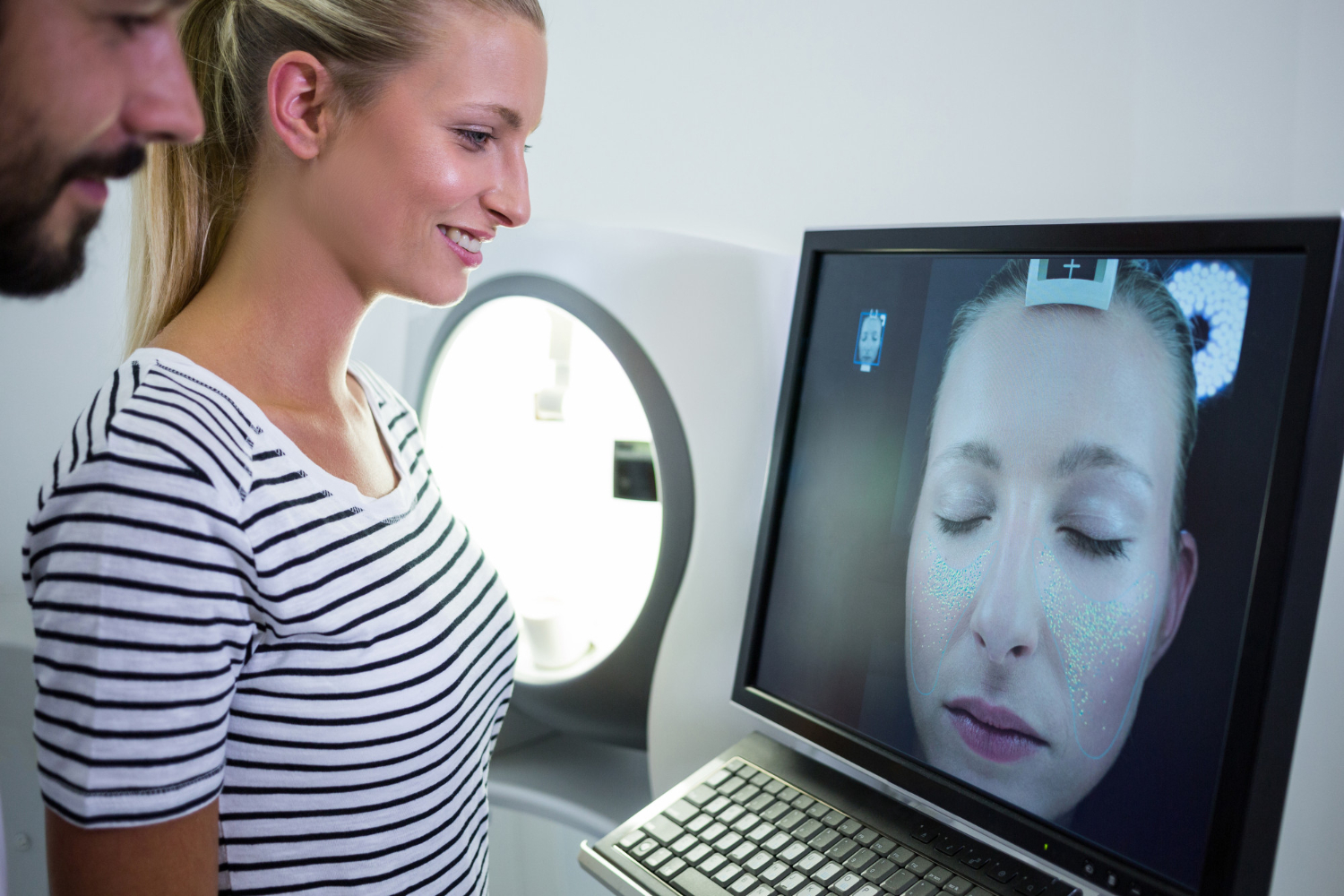
Artificial intelligence (AI) is rapidly transforming healthcare, creating new opportunities to improve patient care, streamline workflows, and enhance diagnostic accuracy. One of the most significant areas of innovation is medical imaging and diagnostics, where AI-powered technologies are helping healthcare providers detect diseases earlier, analyze medical images more efficiently, and deliver faster results to patients.

As demand for timely healthcare continues to grow, diagnostic services are becoming increasingly dependent on advanced technologies that support clinicians in making informed decisions. From MRI and ultrasound examinations to CT scans and predictive analytics, AI is reshaping how healthcare professionals diagnose and monitor medical conditions.

For imaging providers such as Why Wait Imaging, which focuses on delivering high-quality MRI and ultrasound examinations, technological advancements represent an important step toward improving patient experiences and accelerating access to critical diagnostic information.
In this article, we explore how artificial intelligence is transforming modern healthcare, improving diagnostic accuracy, reducing delays, and helping patients receive better outcomes.
Understanding AI in Healthcare Diagnostics
Artificial intelligence refers to computer systems capable of performing tasks that typically require human intelligence. In healthcare, AI algorithms analyze large volumes of medical data, recognize patterns, and assist healthcare professionals in interpreting information more efficiently.
Rather than replacing physicians or radiologists, AI serves as a powerful support tool that enhances clinical decision-making.
Applications of AI in healthcare include:
- Medical image analysis
- Disease risk prediction
- Workflow automation
- Clinical decision support
- Patient monitoring
- Report generation
- Quality assurance
These capabilities are helping healthcare organizations improve both efficiency and patient care.
Why Diagnostic Accuracy Matters
Accurate diagnosis is the foundation of effective medical treatment. Misdiagnosis, delayed diagnosis, or missed findings can lead to unnecessary procedures, worsening health conditions, and increased healthcare costs.
Research published by the U.S. National Academy of Medicine estimates that most people will experience at least one diagnostic error during their lifetime, highlighting the importance of improving diagnostic processes.
This is where AI-enhanced diagnostic services can make a significant difference.
By analyzing medical images and patient data with remarkable consistency, AI systems can help identify subtle abnormalities that may be difficult to detect during routine evaluations.
AI in Medical Imaging
Medical imaging is one of the fastest-growing areas for artificial intelligence adoption.
Imaging technologies such as:
- MRI
- Ultrasound
- CT scans
- Mammography
- X-rays
generate vast amounts of data that require expert interpretation.
AI algorithms are trained using millions of medical images, enabling them to recognize patterns associated with various diseases and abnormalities.
These systems can:
- Highlight suspicious findings
- Measure anatomical structures
- Detect subtle changes over time
- Prioritize urgent cases
- Improve reporting efficiency
As a result, radiologists can focus more attention on complex cases while maintaining high diagnostic standards.
Improving MRI Interpretation
Magnetic Resonance Imaging (MRI) is one of the most sophisticated imaging tools available today.
MRI examinations generate hundreds or even thousands of images during a single scan. Reviewing these images requires significant expertise and time.
AI-assisted MRI analysis can help:
- Identify abnormalities faster
- Improve image quality
- Reduce scan artifacts
- Assist with measurements
- Support diagnostic confidence
For imaging facilities such as Why Wait Imaging, which offers advanced MRI examinations, emerging AI technologies may contribute to more efficient workflows and enhanced patient care in the future.
AI and Ultrasound Imaging
Ultrasound is widely used because it is safe, non-invasive, and free from ionizing radiation.
However, ultrasound image quality can vary depending on:
- Patient anatomy
- Equipment quality
- Operator experience
Artificial intelligence is helping overcome these challenges by assisting sonographers and physicians with image acquisition and interpretation.
AI-powered ultrasound systems can:
- Improve image clarity
- Automate measurements
- Standardize examinations
- Detect abnormalities more consistently
These advancements are helping modern diagnostic services become more accessible and reliable across a wide range of clinical applications.
Faster Results for Patients
One of the most important benefits of AI is speed.
Traditional diagnostic workflows often involve:
- Scheduling an examination
- Acquiring images
- Reviewing images
- Preparing reports
- Communicating results
AI can streamline several of these steps.
For example, algorithms can automatically flag urgent findings such as:
- Suspected strokes
- Internal bleeding
- Pulmonary embolisms
- Significant tumors
This allows radiologists to prioritize high-risk cases and potentially reduce reporting delays.
Faster results can lead to:
- Earlier diagnosis
- Quicker treatment decisions
- Reduced patient anxiety
- Improved healthcare outcomes
Enhancing Early Disease Detection
Early detection remains one of the most effective strategies for improving long-term health outcomes.
AI systems are increasingly being used to identify diseases at earlier stages, including:
Cancer Detection
Artificial intelligence has demonstrated promising results in identifying breast cancer, lung cancer, and other malignancies through imaging analysis.

AI algorithms can recognize subtle imaging patterns that may indicate early disease development.
Cardiovascular Disease
AI can analyze vascular imaging studies and identify risk factors associated with cardiovascular disease.
This supports preventive healthcare initiatives aimed at reducing heart attacks and strokes.
Chronic Disease Monitoring
Many chronic conditions require ongoing surveillance.
AI-assisted diagnostic services can help monitor:
- Liver disease
- Kidney disease
- Diabetes-related complications
- Musculoskeletal disorders
- Neurological conditions
Continuous monitoring enables healthcare providers to adjust treatments before conditions worsen.
Reducing Diagnostic Variability
Even highly experienced healthcare professionals may occasionally interpret findings differently.
AI offers consistency by applying the same analytical criteria across every examination.
Benefits include:
- Standardized evaluations
- Reduced variability
- Improved quality assurance
- Greater diagnostic confidence
Rather than replacing clinical judgment, AI provides an additional layer of support that can strengthen overall diagnostic performance.
Improving Workflow Efficiency
Healthcare systems worldwide continue to face staffing shortages and increasing patient volumes.
AI can help improve operational efficiency by automating repetitive tasks such as:
- Image measurements
- Data entry
- Preliminary analysis
- Workflow prioritization
- Report drafting
By reducing administrative burdens, healthcare professionals can spend more time focusing on patient care.
This efficiency becomes especially important as demand for imaging continues to grow.
AI and Preventive Healthcare
Modern healthcare is increasingly focused on prevention rather than simply treating disease after symptoms develop.
Preventive healthcare relies heavily on early detection and risk assessment.
AI contributes by:
- Identifying high-risk patients
- Predicting disease progression
- Supporting screening programs
- Monitoring chronic conditions
As preventive medicine expands, AI-supported diagnostic services will play an increasingly important role in helping healthcare providers intervene earlier and improve patient outcomes.
Challenges and Ethical Considerations
While AI offers significant benefits, responsible implementation remains essential.
Healthcare organizations must address:
Data Privacy
Patient information must remain secure and protected.
Algorithm Transparency
Healthcare providers need to understand how AI systems generate recommendations.
Clinical Oversight
AI should complement—not replace—medical professionals.
Bias Prevention
Algorithms must be trained using diverse patient populations to ensure equitable performance.
Maintaining these standards helps ensure that AI remains a trustworthy healthcare tool.
The Future of Diagnostic Services
The future of healthcare diagnostics will likely combine human expertise with advanced artificial intelligence.
Emerging technologies are expected to provide:
- Faster image analysis
- Improved disease prediction
- Personalized diagnostics
- Enhanced patient monitoring
- Greater healthcare accessibility
As technology evolves, patients may benefit from shorter wait times, faster reporting, and increasingly precise diagnoses.
For imaging providers focused on patient-centered care, including facilities such as Why Wait Imaging, these innovations support the broader goal of delivering timely and accurate diagnostic information when patients need it most.
Why Patients Benefit From AI-Enhanced Diagnostics
Patients stand to gain significantly from ongoing advancements in artificial intelligence.
Potential benefits include:
- Earlier diagnosis
- Improved accuracy
- Faster results
- Better treatment planning
- Reduced uncertainty
- Enhanced healthcare experiences
While AI operates behind the scenes, its impact can be felt throughout the patient journey.
The combination of advanced technology and experienced healthcare professionals creates a powerful framework for delivering high-quality care.
Conclusion
Artificial intelligence is reshaping the future of healthcare and transforming the way diagnostic services are delivered. By improving accuracy, accelerating image analysis, supporting early disease detection, and enhancing workflow efficiency, AI is helping healthcare providers make better-informed decisions and improve patient outcomes.
Whether assisting with MRI interpretation, enhancing ultrasound examinations, or supporting preventive healthcare initiatives, AI has become an invaluable tool in modern medicine. Importantly, these technologies work alongside healthcare professionals, strengthening—not replacing—the expertise of radiologists, sonographers, and physicians.
As healthcare continues to evolve, AI-powered diagnostic services will play an increasingly important role in ensuring patients receive faster answers, more accurate diagnoses, and more personalized care. Combined with advanced imaging providers such as Why Wait Imaging, the future of diagnostics promises to be more efficient, accessible, and patient-focused than ever before.