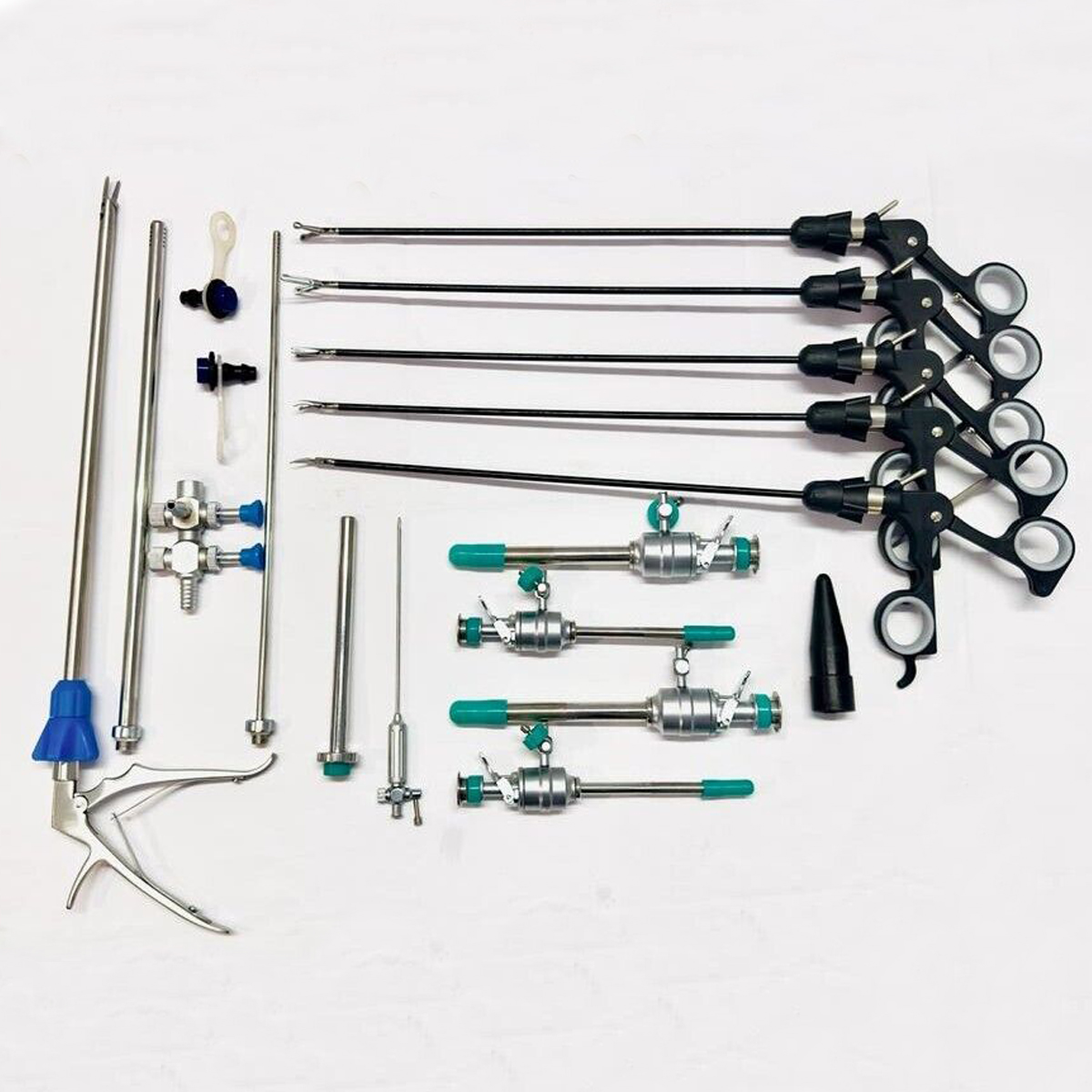
Modern surgery is no longer defined only by advanced medical techniques. It is also shaped by the quality and usability of the tools that surgeons rely on every day. As minimally invasive procedures continue to become more common, the importance of laparoscopic instruments has grown significantly. These tools are designed to support precise movements through small incisions, making comfort and control essential for successful outcomes.

Ergonomic design has emerged as one of the most valuable improvements in surgical equipment. It helps surgeons perform with greater confidence while reducing physical strain during lengthy procedures. The relationship between instrument design and surgical performance has become increasingly important as healthcare systems continue to pursue safer and more efficient operating environments.

Ergonomics As A Surgical Advantage
Ergonomics focuses on designing tools that naturally fit the movements of the human hand and body. In surgery, this principle helps reduce unnecessary effort while improving precision during complex procedures.
Unlike conventional designs, ergonomic instruments are developed to minimize wrist strain, improve grip stability, and support controlled hand movements. These improvements allow surgeons to remain focused throughout an operation without experiencing excessive fatigue.
As surgical procedures become more demanding, ergonomic innovation continues to play a central role in improving both surgeon performance and patient outcomes.
Better Grip Improves Precision
A secure and comfortable grip directly affects how accurately a surgeon can perform delicate tasks. Small adjustments in hand positioning often determine the success of intricate surgical procedures.
Modern laparoscopic surgical instruments are designed with textured handles, balanced weight distribution, and carefully engineered contours that improve handling. These features reduce the likelihood of accidental slips while allowing surgeons to make controlled and consistent movements.
Improved grip also enhances confidence, especially during procedures that require extended periods of concentration and precision.
Reduced Fatigue During Long Procedures
Many surgical procedures last several hours, placing continuous physical demands on surgeons. Repetitive hand movements combined with static arm positions can lead to fatigue that affects performance.
Ergonomically designed instruments help distribute pressure more evenly across the hand, reducing muscle strain throughout the operation. Comfortable handling enables surgeons to maintain steady movements even during lengthy procedures.
Lower fatigue levels contribute not only to surgeon comfort but also to improved consistency from the beginning of the operation to the final stage.
Enhanced Control In Confined Spaces
Laparoscopic surgery requires surgeons to work within limited internal spaces while relying on visual guidance from imaging systems. This environment demands exceptional control over every movement.
The design of laparoscopic instruments supports this requirement by providing smooth movement and responsive handling. Proper balance and refined mechanics allow surgeons to perform complex maneuvers with greater accuracy even in restricted surgical fields.
Improved control ultimately reduces unnecessary tissue handling and supports safer surgical techniques.
Supporting Natural Hand Movement
One of the key goals of ergonomic engineering is to support natural hand motion rather than forcing uncomfortable positions. Instruments that align with natural movement patterns reduce stress on joints and muscles.
This allows surgeons to operate more comfortably while maintaining better coordination between visual observation and physical movement. Natural handling also shortens the adaptation period for medical professionals learning advanced surgical techniques.
The result is a smoother workflow that benefits both experienced surgeons and those undergoing specialized training.

Improving Workflow In Operating Rooms
Efficiency inside the operating theatre depends on more than individual skill. Instrument design also influences how smoothly procedures progress from one stage to another.
Well-designed laparoscopic surgical instruments reduce unnecessary adjustments and allow faster transitions between different surgical steps. This improves coordination among surgical teams while minimizing interruptions during critical moments.
Efficient workflows contribute to shorter procedure times and better utilization of hospital resources.
Engineering That Supports Reliability
Ergonomic benefits must be matched by strong engineering standards. Surgical instruments are expected to deliver reliable performance under demanding clinical conditions.
Manufacturers combine high-quality materials with precision manufacturing techniques to ensure durability and consistent functionality. Every component is carefully designed to withstand repeated sterilization and long-term clinical use.
Reliable engineering allows surgeons to trust their instruments throughout every stage of the procedure, reducing concerns about equipment performance.
Innovation Through Clinical Feedback
The evolution of surgical instruments is driven not only by engineering advances but also by practical experience in operating rooms. Feedback from surgeons plays a valuable role in refining instrument design.
Manufacturers continuously evaluate how instruments perform during real procedures and use these insights to improve grip, balance, and functionality. This ongoing collaboration ensures that new designs remain aligned with clinical needs.
Continuous improvement helps create instruments that respond effectively to changing surgical techniques and healthcare expectations.
Building Confidence Through Better Design
Confidence in surgery comes from preparation, experience, and dependable equipment. Instruments that feel comfortable and predictable allow surgeons to focus entirely on patient care.
The thoughtful design of laparoscopic instruments contributes to this confidence by providing stability and consistent performance throughout the procedure. Better control also reduces stress during technically demanding operations.
As healthcare continues to advance, ergonomic innovation will remain an essential factor in supporting surgical excellence and improving procedural outcomes.
The Future of Ergonomic Surgical Solutions
The future of surgical technology will place even greater emphasis on user-centered design. Advances in materials, manufacturing methods, and digital integration will continue improving instrument functionality.
Future ergonomic developments are expected to provide even greater precision while reducing physical demands on surgeons. Smart technologies may also enhance instrument responsiveness and procedural accuracy.
These innovations will further strengthen minimally invasive surgery by creating tools that work naturally with the surgeon rather than requiring unnecessary physical effort.
Conclusion
Ergonomic design has become a defining element of modern surgical practice because it improves precision, enhances comfort, and supports better procedural control. As surgical techniques continue evolving, laparoscopic surgical instruments that combine intelligent engineering with practical usability will remain essential to achieving successful outcomes.
By focusing on innovation, precision manufacturing, and reliable surgical solutions, Salwan Surgicare continues to contribute to the advancement of modern healthcare with instruments designed to support today’s evolving clinical needs.