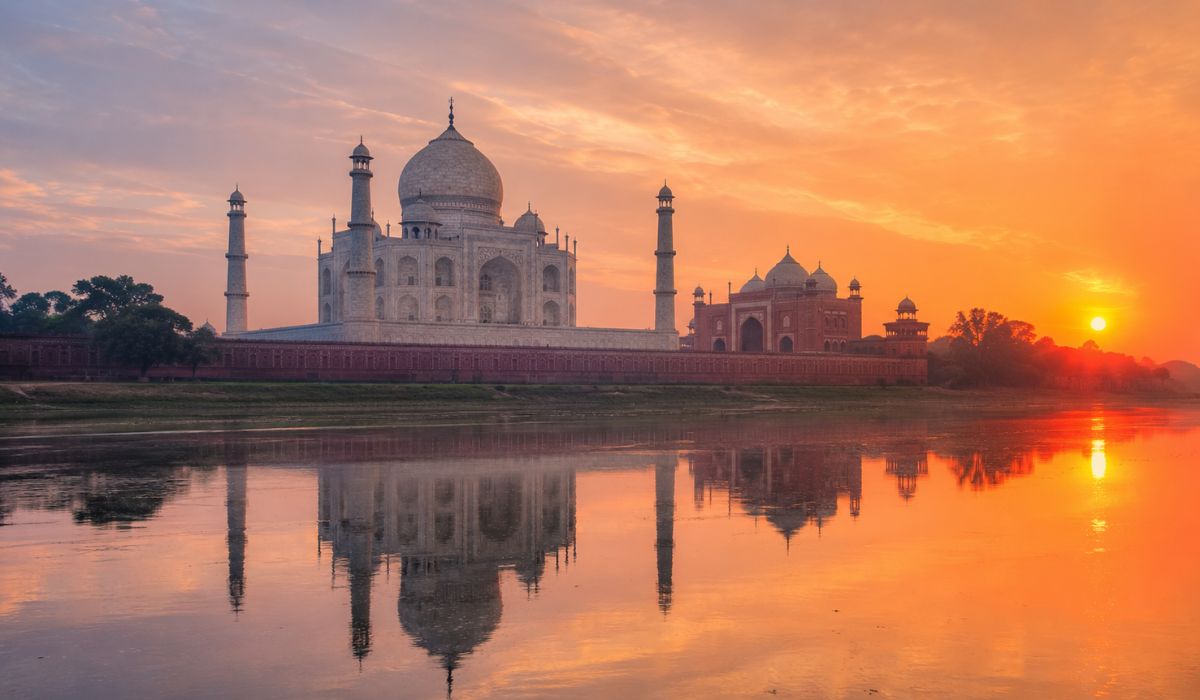
Planning a trip to India from the States isn’t just booking a flight, it’s a major shift in how you travel. For most, the Golden Triangle (Delhi, Agra, and Jaipur) is the starting line. It’s the route that hits the big three: the Taj Mahal, Jaipur’s pink walls, and the deep history of Delhi. But there’s a catch. Most travel companies treat this route like a fast-food meal, cheap, standardized, and designed to shuffle as many bodies through the gates as possible. Americans, who value efficiency and real experiences, are starting to realize that the “standard” approach just doesn’t work.
Why does the standard “cookie-cutter” approach fail American travelers?
Think of a standard group tour like a conveyor belt. It’s built for the operator’s convenience, not yours. You’re on the bus at 7:00 AM, whether you like it or not. You get dragged to “partner shops” you didn’t ask for and herded into massive banquet halls for meals that don’t taste like India.
For travelers used to being in charge, this feels suffocating. You didn’t fly halfway around the world to be a number on a clipboard. When you sign up for a generic tour, you aren’t the priority, the profit margin is. You end up wasting precious vacation hours waiting for other people, shopping for things you don’t want, and rushing through the places you actually care about.
What does “custom” actually mean in a country like India?
Customization isn’t about luxury for the sake of it. It’s about control. It’s taking the same route and shifting the script. Instead of fighting crowds at the Taj Mahal at 10:00 AM, a custom plan gets you there at dawn. Instead of being pushed toward a souvenir shop, you spend time with a local artisan who actually talks to you about their craft. You set the pace. If you’re beat after two days of climbing forts, you swap a monument for a quiet morning in a garden or a cooking class. It means having a car that stays with you, a driver who knows the shortcuts, and a schedule that leaves “white space”, those unplanned hours where the best memories happen.
Why do American travelers prioritize flexibility over everything else?
Time is tight. When you take two weeks off work, you want every day to matter. You don’t want to spend your vacation arguing with taxi drivers or getting lost. Flexibility lets you pivot. If you fall in love with Jaipur, you stay longer. If you’re tired of history and just want to see the local markets, you change the plan. A pre-packaged itinerary has zero room for that. A custom tour, however, centers on your interests. It’s the difference between being a tourist who just visits and a traveler who actually engages.
How does a private car change the entire dynamic of the trip?
Logistics in India are the biggest hurdle. Traffic in Delhi isn’t just “slow”, it’s a chaotic, unpredictable beast. Having a private vehicle with a driver who actually knows the road changes the entire trip.
You aren’t just getting from A to B; you’re safe, comfortable, and shielded from the friction of local transport. Your driver becomes a partner who knows the shortcuts, knows where to grab a decent coffee, and acts as a buffer against the stress of the streets. It’s the layer of service that makes the whole thing flow.
Is a custom trip actually worth the price tag?
People often assume “custom” means “exorbitant.” They think of high-end brands and unnecessary fluff. But true customization is about value. You’re already dropping thousands on flights and hotels. Don’t waste that investment on a plan that treats you like a cog in a machine.
A well-planned custom trip often costs the same as a mediocre group tour, but the return on your time is tenfold. You aren’t paying for brochures; you’re paying for local access and the peace of mind that your day is handled.
How do you build a trip that feels like your trip?
You need a partner, not a handler. Look for operators who listen more than they talk. If a company tries to push a rigid 7-day loop without asking what you like, walk away. You need someone who asks: “What do you hate? What do you love? How much do you want to walk?” Your trip should reflect who you are. If you’re a photographer, build the day around the light. If you’re a history buff, get a guide who can talk about the real politics behind the Mughal courts.
If you’re ready to pull the trigger, do it on your own terms. Skip the generic, high-volume itineraries that treat every traveler the same. When you’re ready to book, prioritize finding flexible Golden Triangle Tours in India that actually value your preferences. The best way to ensure your trip is memorable, not just “touristy” is to insist on custom tour packages in India that let you set the pace, pick the experiences that matter, and actually enjoy the soul of the region instead of just rushing past it.