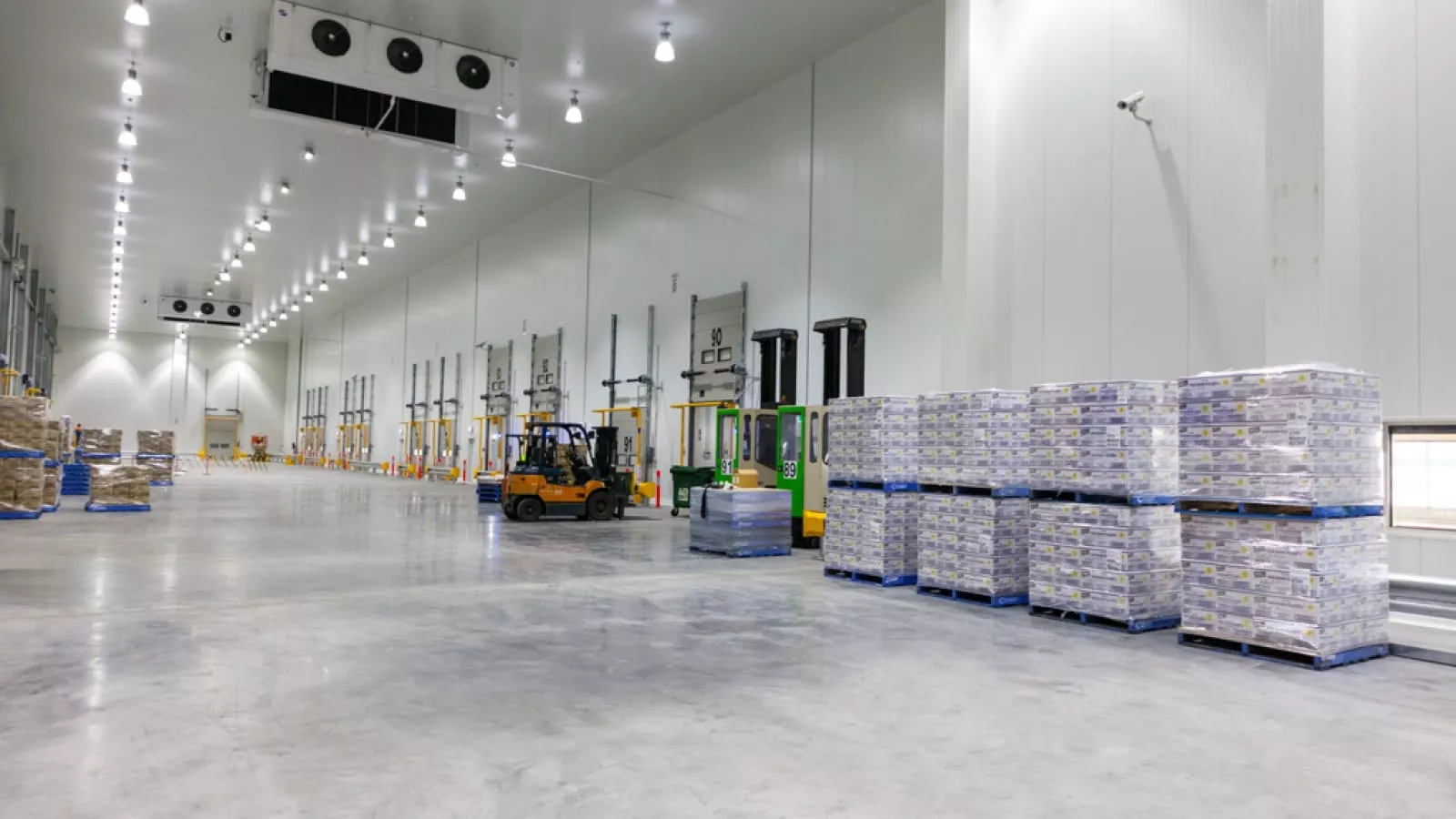
Keeping products fresh can become a daily challenge when a business handles large deliveries or stores goods for long periods. A crowded fridge may leave little room for new stock. Poor temperature control can affect food quality and lead to waste. For some businesses the problem grows as orders increase and ordinary refrigeration equipment no longer meets their needs.

Cold Storage Solutions help businesses manage these challenges with suitable chilled rooms and freezer rooms as well as commercial refrigeration equipment. Restaurants and food suppliers across London use different types of cooling equipment depending on their products and storage needs. Choosing the right system helps protect stock and gives staff a more organised place to work.

Why Do Businesses Need Cold Storage Solutions?
Businesses that handle temperature sensitive products need more than a place to put their stock. They need equipment that maintains suitable conditions and gives staff enough room to organise goods. A small café may manage with a few commercial fridges while a busy food distributor may need a large cold room.
Without enough storage capacity staff may stack products too closely or leave doors open while searching for space. These habits can affect airflow and make temperature control harder. Poor organisation can also slow down stock checks and increase the chance of waste.
Well planned Cold Storage Solutions address these problems by matching storage capacity to the business’s workload. They also help staff separate different products and follow suitable storage procedures. The result is a setup that supports daily operations rather than creating extra work.
Which Industries Benefit Most From Cold Storage?
Cold storage serves many businesses across London. Each industry has its own requirements so the equipment must suit the products and the way staff handle them.
Restaurants and cafés need chilled storage for ingredients such as dairy products and fresh produce. Caterers may require extra capacity before large events. Food wholesalers often handle bulk deliveries and need enough room to organise stock before dispatch.
Other businesses may need specialised temperature control. Pharmaceutical suppliers and laboratories can require equipment that meets specific storage conditions for certain products. These businesses should follow the relevant product guidance and applicable regulations when choosing their systems.
Common users of cold storage include:
-
Restaurants and commercial kitchens that store fresh ingredients.
-
Food manufacturers that handle raw materials and finished products.
-
Supermarkets and independent food shops that need chilled displays and backroom storage.
-
Catering companies that prepare for events and large orders.
-
Food wholesalers that manage bulk stock and regular deliveries.
-
Businesses that store temperature sensitive products under specific conditions.
The right system depends on what a business stores and how much stock moves through the premises each day. An assessment can help identify the capacity and temperature range the operation needs.
How Commercial Refrigeration London Supports Local Businesses
London businesses work in many different types of premises. A small takeaway may have limited space behind the counter while a hotel kitchen needs room for several refrigeration units. Food suppliers may also need cold rooms that allow staff to move large deliveries without disrupting other work.
Commercial Refrigeration London services help businesses assess these needs and choose equipment that fits their premises. The available floor space matters but so do ventilation and access for deliveries. An installer should also consider how staff will clean and maintain the equipment.
Before choosing a system ask yourself a few practical questions:
-
How much stock do you handle during your busiest periods?
-
Which products need chilled storage and which need freezing?
-
How often do staff open the doors during a normal shift?
-
Will the equipment fit the available space?
-
Can engineers reach the system for future maintenance?
-
What running costs should you expect?
These details can help narrow down suitable options. They also give a refrigeration provider a clearer picture of your business before it recommends equipment.
Commercial Refrigeration Installation Starts With Good Planning
Even high quality equipment can cause problems when an installer places it in an unsuitable location. Restricted airflow may affect cooling performance while poor access can make cleaning and repairs harder.
Commercial Refrigeration Installation should start with a review of the premises and the products you need to store. The installer should consider the required capacity and temperature range as well as electrical needs and ventilation. A cold room may also require suitable drainage and enough clearance around key components.
Think about how your team works throughout the day. A restaurant may need undercounter fridges near food preparation areas so staff can reach ingredients without crossing the kitchen. A wholesaler may benefit from a walk in cold room with clear aisles and practical shelving.
Before approving the installation ask the provider to explain the layout and the equipment specifications. Confirm how the team will test the system and show staff how to operate its controls. Clear instructions help your business use the new equipment correctly.
Choosing the Right Cold Room for Your Products
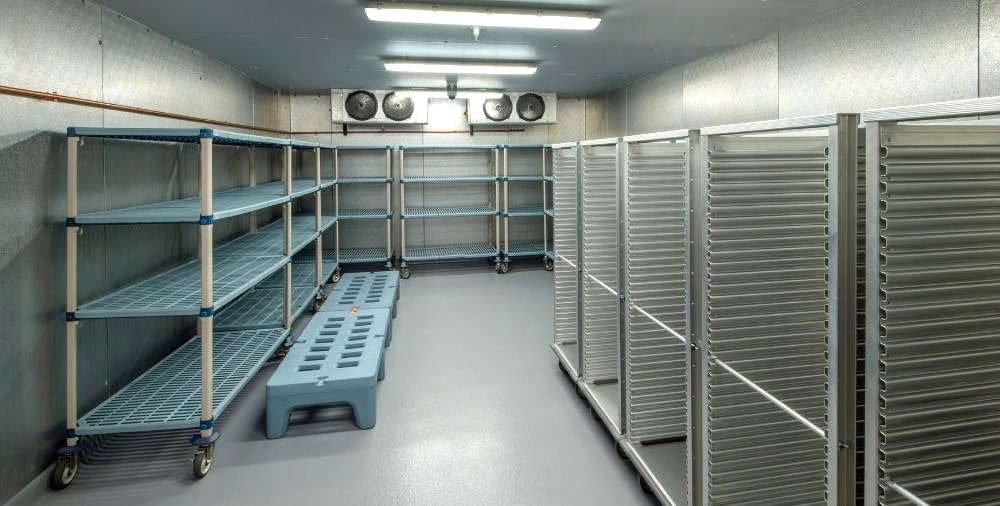
A cold room needs to suit the goods it holds. Chilled food and frozen products require different temperatures so businesses should choose equipment according to their storage requirements. The room’s size also matters because staff need enough space to move products without blocking airflow.
Insulation helps keep the internal temperature stable. Doors should close securely to limit warm air entering the room. Shelving should support safe stock handling and make cleaning easier.
When comparing Cold Storage Solutions consider these features:
-
Insulated panels suited to the intended temperature range.

-
Secure doors with effective seals.
-
Shelving that allows suitable airflow around products.
-
Temperature controls that match the storage requirements.
-
Enough room for staff to move goods safely.
-
Easy access for cleaning and maintenance.
Avoid choosing a room based on size alone. An undersized unit may struggle during busy periods while a much larger room may increase installation and running costs. A qualified provider can help you balance current needs with realistic plans for future growth.
How Refrigeration Engineers Help Protect Stored Products
Cold storage equipment needs regular attention to maintain reliable performance. Door seals can wear down and fans may collect dirt. Faulty controls or restricted airflow can also affect temperatures.
Refrigeration Engineers can inspect the system and identify problems that may affect cooling performance. Depending on the equipment they may check fans and condenser coils as well as temperature controls and other essential components. They can also investigate unusual noises or repeated changes in temperature.
Routine maintenance can help businesses spot issues before they cause greater disruption. Keep records of inspections and repairs so you can track recurring problems. Staff should also report changes in equipment performance rather than waiting for a complete breakdown.
If a cold room fails to maintain its required temperature follow your food safety procedures and assess the affected stock. Move products to suitable alternative storage when necessary. Do not assume that food remains safe simply because it still looks or smells normal.
Can Industrial Refrigeration Services Help Reduce Waste?
Spoiled stock can cost a business money and create extra work for staff. A refrigeration system that struggles to maintain suitable conditions may increase this risk. Poor stock rotation and overcrowded shelves can make the problem worse.
Industrial Refrigeration Services can help businesses maintain and repair equipment while reviewing its suitability for the workload. A qualified engineer may identify issues such as damaged seals or poor airflow that affect performance. The provider can then explain the necessary repairs or other options.
Businesses should also establish sensible stock handling routines. Label products clearly and use older stock first when appropriate. Avoid overfilling shelves and make sure staff know the storage requirements for the products they handle.
Energy use deserves attention as well. Keep equipment areas clear and follow the manufacturer’s cleaning guidance. Close doors promptly and investigate unusual changes in electricity use. These habits can support better performance although actual savings depend on the equipment and its condition.
What Should You Check Before Hiring a Cold Storage Provider?
Choosing a provider involves more than comparing prices. The company should understand your storage needs and explain the work without confusing technical language. A clear quotation also helps you understand what the service includes.
Before making a decision ask about the provider’s experience with similar equipment. Find out whether the quotation covers installation and testing as well as any follow up maintenance. You should also check the warranty terms and ask how the company handles urgent repair requests.
Consider these questions before proceeding:
-
Can the provider assess your premises before recommending equipment?
-
Does the proposal explain the system’s capacity and temperature range?
-
Will the installation include testing and operating instructions?
-
Can the company arrange future servicing?
-
Does the quotation list exclusions and additional charges?
-
What support can the provider offer if the system develops a fault?
For London businesses delivery access and available working hours may affect installation planning. Discuss these details early so the provider can prepare for the work.
Frequently Asked Questions About Cold Storage Solutions
Which businesses need cold storage?
Restaurants and food manufacturers often need cold storage along with caterers and food distributors. Other businesses may require it when their products need specific temperature conditions.
How do I choose the right cold room size?
Start with your usual stock volume and consider the busiest periods of the year. Allow enough room for shelving and staff movement while leaving suitable space for airflow.
How often should cold storage equipment receive maintenance?
The right schedule depends on the equipment and its operating conditions. Follow the manufacturer’s guidance and ask a qualified refrigeration engineer to recommend a suitable plan.
Can a cold room help reduce food waste?
A suitable cold room can support stable storage conditions and better stock organisation. Staff must still follow food safety guidance and use sensible stock rotation practices.
Should I repair or replace an ageing refrigeration system?
Compare the repair cost with the expected cost of replacement. Consider reliability and energy use along with the equipment’s condition and the needs of your business.
Protect Your Products With the Right Cold Storage System
Cold storage plays an important role in protecting products and keeping business operations organised. The right equipment gives staff enough room to manage stock and helps maintain suitable conditions for the goods they handle.
For businesses across London Cold Storage Solutions can include commercial fridges and freezers as well as walk in cold rooms and ongoing refrigeration support. The best option depends on your products and premises along with your storage capacity and budget.
If your current equipment no longer meets your needs or you plan to expand your storage space consider arranging an assessment with a qualified refrigeration provider. Discuss your requirements and request a clear quotation before making a decision. A well planned system can help your business manage stock with greater confidence and prepare for future demand.