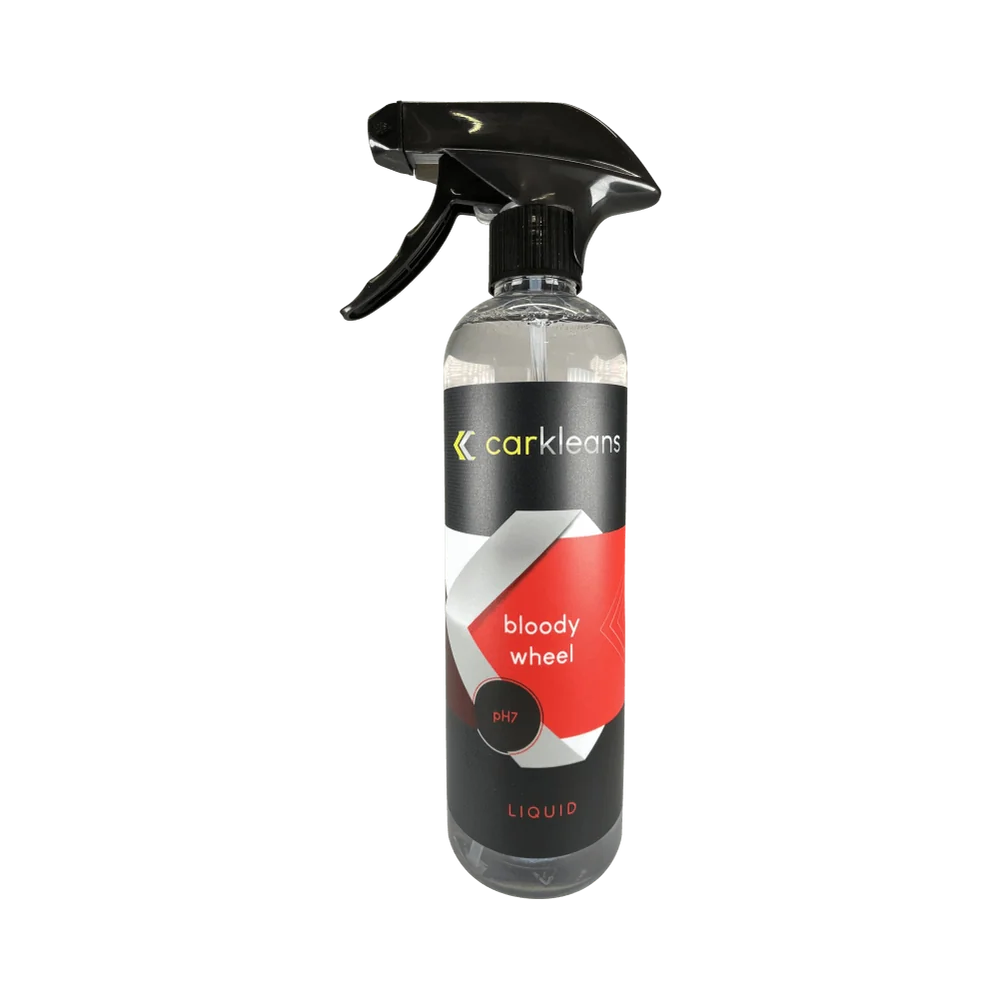
My brother-in-law spent a full Saturday morning scrubbing the alloys on his Golf with washing-up liquid and an old toothbrush. Two hours. His knuckles were raw, the wheels looked maybe ten percent better, and he was convinced the dirt had “set in.” It hadn’t. He was just using the wrong stuff. A decent wheel cleaner spray would’ve had the same job done in ten minutes with hardly any effort. Wheels are the filthiest part of any car, and the regular shampoo you use on the paint barely touches what lives there. So here’s what’s in these sprays, which kind suits your wheels, and how to use one without wrecking the finish.


What You’re Actually Cleaning Off
It’s mostly brake dust. Every time you stop, pads rub against discs and shed tiny hot metal particles that fly onto the wheel and bake in. Add road tar, grease from the hub area, grit, and winter salt, and you get a nasty crust that normal soap can’t shift. The metallic particles are the real troublemakers. Left alone they bond to the surface, rust, and leave orange stains in the lacquer. That’s why wheels that never get proper attention end up looking pitted and dull after a few years. Regular cleaning isn’t vanity, it’s keeping that finish from slowly being eaten.
Acid, Alkaline, pH Neutral: What’s the Difference?
Here’s where people go wrong. Acidic cleaners are strong and fast, and they’re also the ones that can stain, etch or cloud certain finishes if you’re careless. Alkaline cleaners are better with grease and road film. pH neutral formulas are the gentler all-rounders, safer on most wheels and a good starting point if you’re unsure. Then there are the colour-changing iron removers, which react with metallic particles and turn purple, and some wheel sprays combine that with regular cleaning. Always read the label for what finishes it’s rated for. Polished aluminium, anodised, matte, chrome, painted, powder coated, they don’t all react the same way.
How to Use It Without Making a Mess
Make sure the wheels are cool first. Hot metal flashes the product dry and can leave streaks or stains. Rinse off loose grit with a hose or pressure washer. Spray the cleaner generously over the face, the barrel and around the spokes, then leave it for the time the label says, often a minute or two. Don’t let it dry. Use a soft wheel brush for the barrel, a smaller one for lug nuts and tight spots, and a mitt for the face. Rinse well, then dry the wheel. Work one wheel at a time so nothing sits and bakes while you’re busy with another.

Mistakes That Cost People Money
Spraying on a hot wheel is the classic. Letting product dry is the next. Mixing cleaners is a genuinely terrible idea, since some combinations give off nasty fumes. Using a stiff brush on a delicate or polished finish will scratch it. Skipping gloves and eye protection, because some of these are properly harsh on skin. Using an acidic product on a finish that wasn’t made for it, so you end up with cloudy, stained patches that never come back. Also, don’t forget the brake calipers and rotors, since overspray there is normal but you should rinse thoroughly and avoid soaking brake components.
Protecting Wheels After You’ve Cleaned Them
Clean wheels are only half of it. Bare lacquer is porous enough that brake dust grabs on and stays, so a layer of protection makes the next clean far easier. A wheel sealant or ceramic coating creates a slick surface that sheds dust and washes off with less effort. Some people just use a wax or a spray sealant every few weeks. It doesn’t need to be fancy. And clean regularly, every couple of weeks if you can, because fresh dust comes off easily while month-old dust fights back. Skipping this step is why some people feel like they’re cleaning their wheels constantly with no lasting result.
When Paying a Pro Makes Sense
For ordinary dirt, a bottle and a brush do the job. But some situations are better handled by someone with experience. Heavily corroded or pitted wheels, unusual finishes you’re nervous about, wheels with years of baked-on brake dust, or a car you want fully decontaminated before a coating goes on. Good car detailing services will identify the finish, pick the safe product for it, and handle the barrels and tight spots you can’t reach easily. Ask what they use, whether they’ve worked on your wheel type, and what’s included in the price. One honest question can save you from a costly stain.
Conclusion
A good wheel cleaner spray saves time, effort and skin on your knuckles, but only if you match it to your wheel finish and use it properly. Cool wheels, correct dwell time, soft brushes, thorough rinsing, and a layer of protection afterwards. Avoid harsh acids on delicate finishes, never let it dry, and keep up regular cleaning so the grime never gets a chance to bond. If a job feels beyond you, bring in professional car detailing services instead of gambling with expensive alloys. My brother-in-law now owns a proper brush set and a bottle of the good stuff, and his Saturdays are his own again. This is general information, so always follow your product’s own instructions.