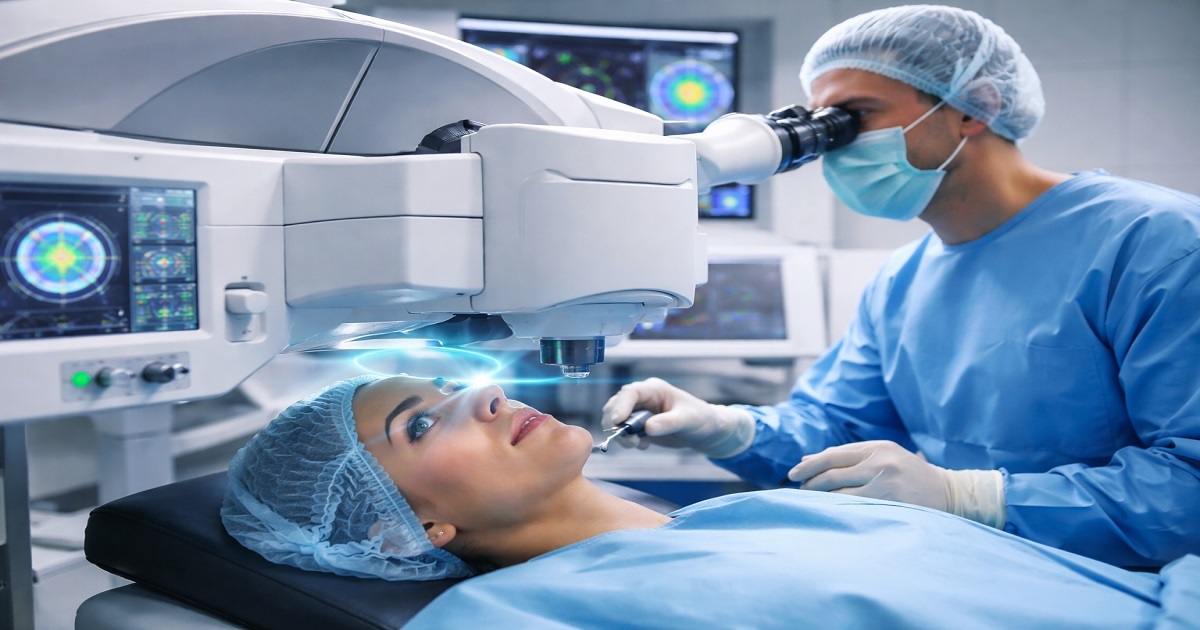
Clear vision can make everyday life more comfortable, whether you are working on a computer, driving through busy Lahore streets, studying, or enjoying time with your family. For people who depend on glasses or contact lenses, LASIK eye surgery may offer an alternative worth exploring. Choosing the Best Eye Surgeon in Lahore is an important part of this journey because proper evaluation, surgical expertise, and aftercare can influence both safety and visual outcomes.
As eye care technology continues to develop, more people in Pakistan are exploring laser vision correction to reduce their dependence on glasses. However, LASIK is not suitable for everyone, and the right decision requires more than comparing clinics or looking at advertised prices. Understanding the procedure, checking the surgeon’s qualifications, and learning about recovery can help patients make informed choices in 2027.

Understanding LASIK Eye Surgery
What Is LASIK?
LASIK stands for Laser-Assisted In Situ Keratomileusis. It is a refractive eye surgery designed to correct certain vision problems by reshaping the cornea, the transparent front surface of the eye. This adjustment helps light focus more accurately on the retina, improving vision in suitable candidates.
LASIK is commonly used to correct nearsightedness, farsightedness, and astigmatism. The procedure generally involves creating a thin flap in the cornea, reshaping the underlying tissue with a laser, and repositioning the flap. The exact treatment depends on the patient’s prescription, corneal structure, and overall eye health.
Why Do People Consider LASIK?
Glasses and contact lenses remain effective vision correction options, but some people prefer greater freedom from daily eyewear. LASIK may make activities such as exercising, travelling, and working more convenient. It can also reduce the ongoing need to purchase contact lenses and related supplies.
Nevertheless, LASIK should not be viewed as a guaranteed way to achieve perfect vision forever. Some patients may still need glasses for particular activities, and age-related changes can affect eyesight later in life. A detailed consultation helps establish realistic expectations before treatment.
Why Choosing the Right Eye Surgeon Matters
Qualifications and Professional Experience
When searching for the Best Eye Surgeon in Lahore, begin by checking the doctor’s recognised medical qualifications, specialist training, and experience in refractive surgery. An ophthalmologist is a medical doctor trained to diagnose and treat eye conditions, including performing eye surgery. Experience specifically related to LASIK is particularly relevant when considering laser vision correction.
Patients should also ask whether the surgeon performs the procedure personally, how suitability is assessed, and what arrangements are available if complications occur. Clear answers can help establish trust and demonstrate whether the clinic prioritises patient safety.
A Patient-Focused Consultation
A good consultation should involve more than a brief examination and a discussion of the procedure’s price. The surgeon should review the patient’s medical history, current medications, vision prescription, contact lens use, and any existing eye problems.
Access to Appropriate Technology
Modern diagnostic equipment plays an important role in assessing LASIK suitability. Depending on the patient’s circumstances, an evaluation may include corneal mapping, corneal thickness measurement, refraction testing, tear film assessment, and a comprehensive eye examination.
Who Is a Suitable Candidate for LASIK?
Age and Prescription Stability
LASIK is generally considered for adults whose vision prescription has remained stable. A changing prescription may indicate that the eyes have not yet reached a suitable point for elective refractive surgery. The surgeon will consider age, prescription history, and other factors before recommending treatment.
Corneal Health and Thickness
The cornea must have an appropriate shape and sufficient tissue for the planned treatment. People with certain corneal disorders, irregular corneal shapes, or insufficient corneal thickness may face additional risks and may not be suitable for conventional LASIK.
Corneal mapping helps identify structural concerns that might not be apparent during a routine vision test. These measurements allow the surgeon to determine whether LASIK is appropriate or whether another option should be considered.
General Health and Existing Eye Conditions
Dry eye, certain autoimmune conditions, poorly controlled diabetes, and some medications can affect surgical suitability or healing. Pregnancy and breastfeeding may also influence prescription stability and the timing of elective treatment.
What Happens During a LASIK Consultation?
Comprehensive Eye Examination
The process usually begins with a detailed review of visual symptoms, prescription history, and general health. The clinical team may measure visual acuity, examine the cornea, assess eye pressure, and evaluate the internal structures of the eyes.
Discussing Treatment Options
LASIK is not the only method of refractive surgery. Depending on the examination results, a surgeon may discuss other laser procedures, such as PRK or SMILE where available and appropriate. Some patients may be better served by glasses or contact lenses rather than surgery.
The Best Eye Surgeon in Lahore should explain why a particular option is suitable for the individual patient. Understanding the differences between treatments helps people avoid selecting a procedure simply because it is popular or heavily advertised.
Reviewing Expected Results
Before surgery, patients should understand the likely benefits, possible limitations, and risks. The surgeon may explain the expected range of visual improvement based on the prescription and examination findings. Individual results vary, and no responsible provider can guarantee a perfect outcome for every patient.
Preparing for LASIK Surgery
Follow Medical Instructions
Preparation starts with following the clinic’s instructions about contact lenses, prescribed medicines, eye drops, and hygiene. Patients should not change regular medication without consulting the relevant healthcare professional.
If an eye infection, irritation, or unusual visual symptom develops before the scheduled procedure, the clinic should be informed. The surgeon can decide whether treatment should proceed or be postponed.

Arrange Practical Support
Patients should plan their transport home because vision may be temporarily blurry after surgery. It is sensible to arrange time away from work and avoid scheduling important activities immediately after the procedure.
The clinic may recommend avoiding eye makeup, perfumes, or certain skincare products on the day of surgery. Following these instructions helps support a clean treatment environment and a smoother experience.
Ask Questions Before Giving Consent
Informed consent means understanding the procedure, its risks, available alternatives, and expected recovery. Patients should ask about the surgeon’s experience, the technology being used, follow-up appointments, and the process for managing complications.
What to Expect During LASIK Surgery
LASIK is generally performed as an outpatient procedure. Numbing eye drops are commonly used to reduce discomfort, and the patient remains awake. The surgeon uses specialised equipment to position the eye and perform the planned corneal treatment.
LASIK Recovery and Aftercare
The First Few Days
Temporary dryness, mild irritation, light sensitivity, or fluctuating vision can occur after LASIK. Patients should rest as advised and use prescribed drops according to the surgeon’s instructions. Protective eyewear may be recommended, particularly during sleep.
People should avoid driving until their vision meets the required standard and their surgeon confirms that it is safe. Work, exercise, and screen use can usually be resumed according to individual recovery instructions rather than a fixed timetable.
Follow-Up Appointments
Follow-up examinations allow the surgeon to assess healing, check visual improvement, and identify potential complications. Patients should attend every recommended appointment, even when their eyesight seems normal.
Recognising Warning Signs
Severe or increasing eye pain, sudden deterioration in vision, marked redness, or other unexpected symptoms require urgent assessment. Patients should not assume that these symptoms are a normal part of recovery or wait until their next routine visit.
Timely medical attention can be important when a postoperative complication develops. Following aftercare instructions and communicating concerns promptly are essential parts of the recovery process.
Potential Risks and Limitations of LASIK
Although many suitable patients experience improved vision after LASIK, the procedure has potential risks. These can include dry eyes, glare, halos around lights, difficulty with night vision, undercorrection, overcorrection, and temporary or persistent visual disturbances. Less commonly, more serious complications may occur.
Understanding LASIK Costs in Lahore
The cost of LASIK in Lahore can vary between clinics because of differences in technology, diagnostic testing, surgeon experience, treatment complexity, and postoperative care. Some packages may include consultation, examinations, medication, and follow-up visits, while others may charge separately for particular services.
How to Choose the Best Eye Surgeon in Lahore for LASIK in 2027
Finding the right surgeon requires careful research and a personal consultation. Patients should verify professional credentials, ask about refractive surgery experience, and understand how the clinic evaluates candidates. They should also look for clear explanations, appropriate diagnostic testing, written aftercare instructions, and a reliable process for addressing concerns.
LASIK can be a valuable option for eligible adults who want to reduce their dependence on glasses or contact lenses. However, achieving a safe and satisfactory result begins with a thorough eye examination and a realistic understanding of the procedure. Choosing the Best Eye Surgeon in Lahore means looking beyond advertising to evaluate qualifications, experience, diagnostic standards, communication, and postoperative support.
Before proceeding in 2027, arrange a comprehensive consultation, discuss your expectations, and ask about both the benefits and possible risks. Compare treatment options carefully and follow all medical instructions before and after surgery. An informed decision made with a qualified ophthalmologist can help you choose the vision correction approach that best suits your individual eye health and lifestyle.
Frequently Asked Questions
1. Is LASIK suitable for everyone?
No. Suitability depends on prescription stability, corneal health, age, general health, and other clinical factors. A comprehensive examination is necessary.
2. How long does LASIK surgery take?
The laser treatment itself is usually brief, although preparation, positioning, and postoperative checks add time to the visit.
3. Is LASIK painful?
Numbing eye drops are generally used to minimise discomfort. Some patients experience temporary pressure or irritation during or after the procedure.
4. How long does recovery take after LASIK?
Many patients notice improved vision soon after treatment, but healing and visual stability vary. Follow-up care and recovery instructions remain important.
5. How can I choose the right eye surgeon in Lahore?
Check recognised qualifications, refractive surgery experience, examination standards, communication, and aftercare arrangements before making a decision.