Hair fall, thinning, dandruff, and scalp irritation are common concerns that can affect hair health and confidence. Although these issues may seem similar, their causes can vary from person to person. Visiting the best hair care clinic in Chennai can help you understand your hair concerns, identify possible causes, and explore suitable treatment options through a professional assessment.

Why Is a Hair Care Consultation Important?
A hair care consultation helps determine whether hair fall is related to genetics, hormonal changes, nutritional deficiencies, stress, scalp conditions, or other factors. Instead of relying only on shampoos, oils, or home remedies, a professional evaluation can guide you towards more appropriate care.

Early assessment may also help identify conditions that require specific treatment and prevent unnecessary delays in managing persistent hair loss.
What Happens During a Hair Care Clinic Consultation?
A consultation generally involves discussing your concerns, examining your scalp and hair, and deciding whether further investigations or treatment are necessary.
1. Discussion of Your Hair Concerns
The consultation usually begins with questions about your hair and scalp health. A dermatologist may ask:
- When did you first notice increased hair fall?
- Is your hair thinning across the scalp or in specific areas?
- Do you experience itching, dandruff, redness, or flaking?
- Have you recently experienced illness, stress, or major lifestyle changes?
- Do you have a family history of hair loss?
- Are you currently taking any medicines or supplements?
These details help the professional understand your symptoms and identify possible contributing factors.
2. Scalp and Hair Examination
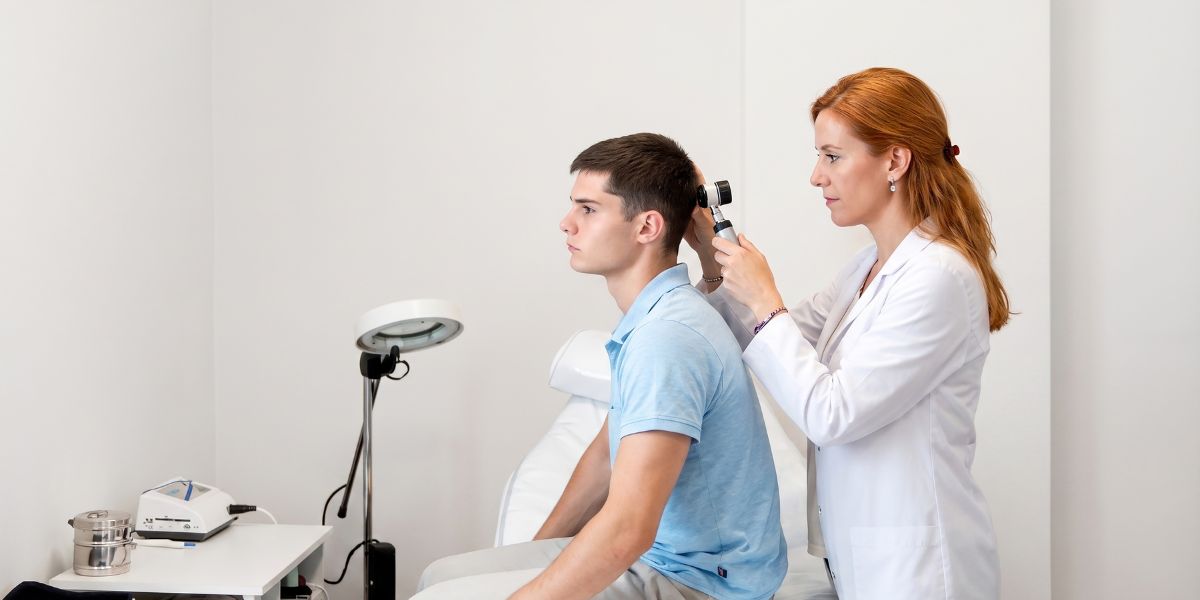
The next step may involve examining the scalp, hair density, hairline, and pattern of thinning. The clinician may look for signs of inflammation, dandruff, infection, or other scalp conditions.
Depending on the concern, a closer examination of the scalp may be recommended. This helps distinguish between different types of hair loss and determine whether additional assessment is needed.
3. Identifying Possible Causes
Hair loss can occur for several reasons, and treatment depends on the underlying cause.
Common contributing factors include:
- Genetic hair loss: Gradual thinning associated with hereditary factors.
- Telogen effluvium: Increased shedding following triggers such as illness, significant stress, or major physical changes.
- Nutritional deficiencies: Inadequate intake or low levels of certain nutrients, such as iron, may contribute to hair loss.
- Hormonal changes: Certain hormonal conditions can affect hair growth.
- Scalp disorders: Inflammation or infections may affect the scalp and hair.
A dermatologist may recommend blood tests or other investigations when your symptoms or medical history suggest they would be useful. Tests are not necessary for everyone.
Treatment Options That May Be Discussed
After assessing your hair and scalp, the clinician may explain suitable treatment options based on your diagnosis, health history, and treatment goals.
1. Medical Treatments
Certain types of hair loss may respond to topical or oral medication. For example, minoxidil may be recommended for some forms of hair thinning. Other conditions may require different medicines or treatment of an underlying health issue.
The suitability of each treatment depends on the individual. A dermatologist can explain how to use medication correctly, possible side effects, and the time needed to evaluate results.
2. Platelet-Rich Plasma (PRP) Therapy
PRP therapy involves processing a small blood sample to concentrate platelets and injecting the preparation into selected areas of the scalp. It may be considered for certain types of hair loss, although results vary and it is not appropriate for every person.

The clinician can discuss potential benefits, limitations, costs, and the number of sessions that may be recommended.
3. Microneedling and Other Procedures
Some people may be suitable candidates for procedures such as microneedling as part of a broader treatment plan. These procedures require professional assessment and should not be chosen solely because they are popular.
Not everyone needs a clinical procedure. Depending on the cause, medication, scalp care, or addressing a nutritional or medical issue may be more appropriate.
At Dermipure Dermaclinic, individuals can discuss hair and scalp concerns and learn about possible management options based on professional evaluation.
How to Prepare for Your Consultation
A little preparation can help make your appointment more useful.
- Note your symptoms: Record when the hair fall began and whether it has changed over time.
- List current medicines: Include prescription medicines, supplements, and hair treatments you use.
- Mention recent changes: Tell the clinician about recent illnesses, dietary changes, stress, or hormonal changes that may be relevant.
- Bring previous test results: Existing blood tests or medical reports may provide useful information.
- Prepare questions: Ask about possible causes, treatment options, expected timelines, and follow-up care.
You generally do not need to purchase special products before the appointment. Follow any specific preparation instructions provided by the clinic.
Common Mistakes to Avoid Before and After a Consultation
Certain habits can make it harder to assess or manage hair concerns effectively.
Trying Too Many Products at Once
Using several new shampoos, oils, serums, and supplements simultaneously can make it difficult to determine what helps or causes irritation.
Expecting Immediate Results
Hair grows in cycles, so visible improvement often takes months rather than days. The timeline depends on the type of hair loss and the treatment selected.
Taking Supplements Without Guidance
Hair supplements may not help if you do not have a relevant deficiency. Excessive intake of some nutrients can also be harmful.
Delaying Assessment for Sudden Hair Loss
Sudden shedding, distinct bald patches, scalp pain, or significant inflammation should be assessed promptly rather than managed only with home remedies.
What Happens After the Consultation?
Following the assessment, you may receive a treatment plan, skincare or scalp-care recommendations, and advice about follow-up appointments. The plan may also include monitoring hair density and shedding over time.
It is important to follow the recommended routine consistently and report any side effects or worsening symptoms. If the initial approach does not produce the expected improvement, the clinician may reassess the diagnosis or adjust the plan.
Conclusion
A hair care clinic consultation helps you understand your hair concerns through a discussion of your medical history, scalp examination, and assessment of possible causes. Based on the findings, a professional can recommend suitable treatments and realistic expectations for improvement. Preparing for your appointment, following expert advice, and allowing enough time to assess results can support better hair care decisions and help you manage persistent hair fall more effectively.