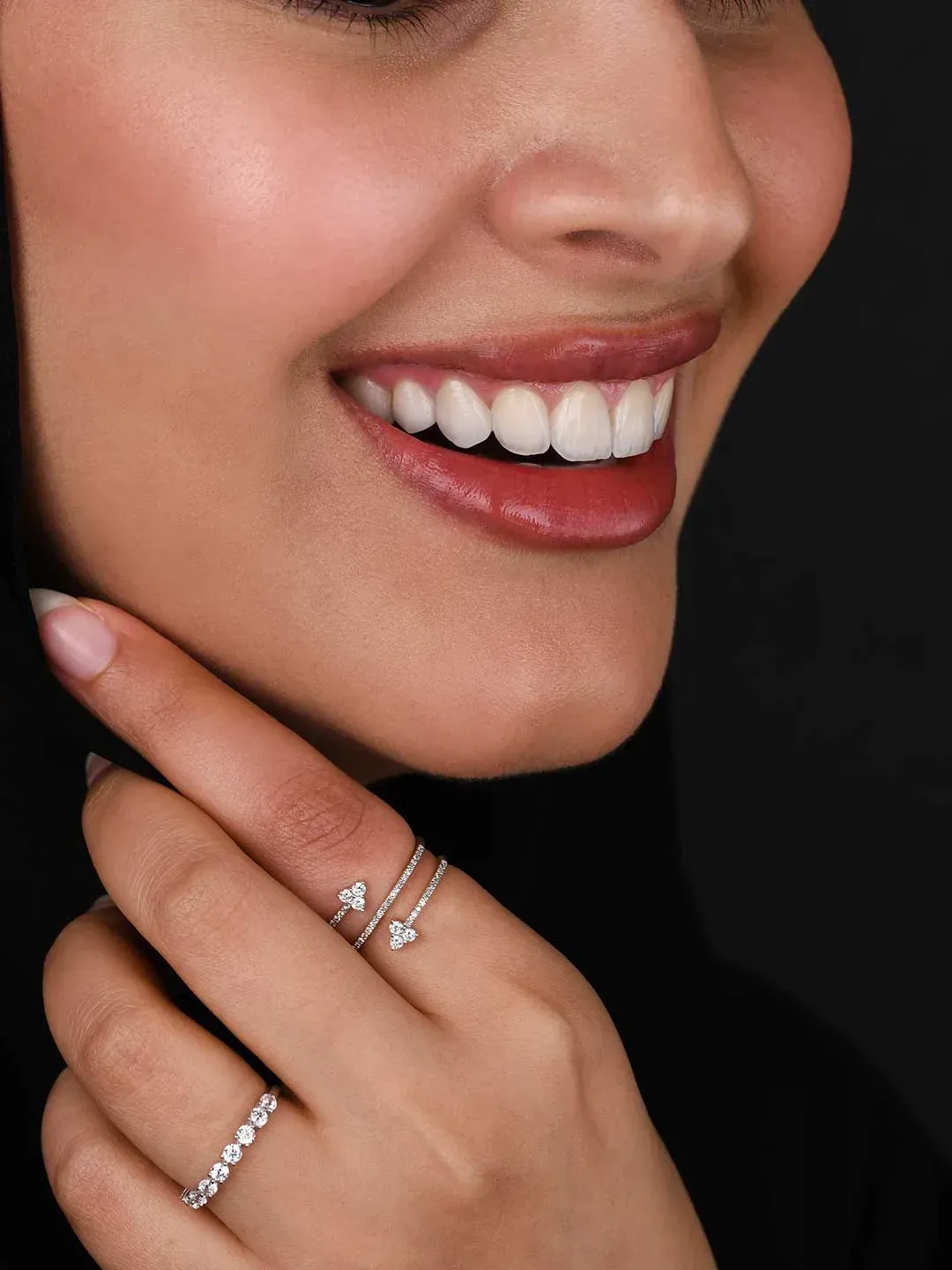
A confident smile can influence how people feel about themselves, from everyday conversations to important professional and social occasions. For people who are unhappy with the appearance of chipped, stained, uneven, or slightly worn teeth, cosmetic dentistry offers several options. Among them, dental veneers have become a popular choice for improving the visible appearance of teeth.

veneers in dubai are thin, custom-made coverings designed to bond to the front surface of teeth. Depending on the material and individual case, they can help improve the appearance of tooth colour, shape, size, and minor alignment concerns. However, veneers are not suitable for everyone, and a dental assessment is important before deciding on treatment.

So, what makes veneers an appealing cosmetic dental treatment, and what should patients consider before getting them?
What Are Dental Veneers?
Dental veneers are thin shells placed over the front surfaces of selected teeth. They are generally made from materials such as porcelain or composite resin.
Porcelain veneers are individually designed and fabricated to match the patient’s desired appearance, while composite veneers are typically shaped directly on the tooth by a dentist.
The goal is not simply to make teeth look whiter. A well-planned veneer treatment considers factors such as tooth proportions, facial appearance, gum contours, bite, and the natural characteristics of neighbouring teeth.
Why Are Veneers in Dubai So Popular?
Veneers can address several cosmetic concerns with a single treatment approach. For suitable patients, this versatility is one of the reasons they are frequently considered for smile enhancement.
1. They Can Improve Several Cosmetic Concerns
Veneers may be considered for teeth affected by:
- Discolouration that does not respond well to conventional whitening
- Small chips or fractures
- Minor irregularities in tooth shape
- Uneven-looking teeth
- Small gaps between certain teeth
- Worn or disproportionate-looking teeth
- Cosmetic imperfections affecting the smile
The exact result depends on the condition of the teeth, the material selected, and the treatment plan.
2. They Can Create a More Balanced Smile
A natural-looking smile is about more than having very white teeth. Tooth length, width, shape, symmetry, and the relationship between the teeth and gums all contribute to appearance.
During veneer planning, a dentist can assess these factors and design restorations that complement the patient’s facial features rather than creating an overly uniform appearance.
This is particularly important because cosmetic dentistry should ideally enhance the existing smile instead of making it look artificial.
3. Veneers Can Offer a Long-Term Cosmetic Option
When properly planned and cared for, dental veneers can provide a durable cosmetic solution. However, they are not indestructible and do not last forever.
Their longevity can depend on several factors, including:
- The type and quality of material used
- The health of the underlying teeth
- Bite and chewing forces
- Oral hygiene
- Whether a patient grinds or clenches their teeth
- Regular dental examinations
- Lifestyle habits
Patients should therefore view veneers as a long-term dental restoration rather than a permanent, maintenance-free solution.
Porcelain vs Composite Veneers: What Is the Difference?
The choice between porcelain and composite veneers depends on the patient’s dental condition, cosmetic goals, budget, and dentist’s recommendation.
Porcelain Veneers
Porcelain is commonly used for cosmetic dental restorations because it can provide a natural-looking appearance and is designed to resist staining better than some other materials.
The process usually involves detailed planning, preparation where necessary, impressions or digital scans, and fabrication of the veneers before they are bonded to the teeth.
Composite Veneers
Composite resin can be applied and shaped directly on the tooth in many cases. This can make the process different from laboratory-fabricated porcelain veneers.
Composite may be suitable for certain cosmetic corrections, but it can have different durability and staining characteristics compared with porcelain.
There is no universally “best” veneer material. The appropriate choice should be based on the individual patient’s teeth and treatment objectives.
Are Veneers Suitable for Everyone?
No. Veneers are primarily a cosmetic treatment and may not be appropriate when significant underlying dental problems are present.
A dentist may first need to address issues such as untreated tooth decay, gum disease, weakened teeth, or certain bite-related concerns.
People who regularly grind or clench their teeth may also require additional assessment because excessive forces can affect dental restorations.
A consultation allows the dentist to determine whether veneers are appropriate or whether another treatment would provide a safer and more predictable result.
What Happens During Veneer Treatment?
The exact process varies depending on the type of veneer and the patient’s dental condition. Generally, the treatment involves several stages.

Initial Dental Assessment
The dentist examines the teeth, gums, bite, and overall oral health. The patient’s expectations and cosmetic goals are also discussed.
Smile and Treatment Planning
The dentist considers tooth colour, shape, proportions, facial features, and the appearance of the smile. Digital scans, photographs, or other diagnostic tools may be used as part of the planning process.
Tooth Preparation
Depending on the type of veneer and the individual case, some preparation of the tooth surface may be required. The amount of preparation should be determined carefully because preserving healthy tooth structure is an important consideration.
Veneer Placement
Once the restorations are ready and their fit and appearance have been assessed, the veneers can be bonded to the teeth using dental materials designed for this purpose.
The dentist checks the final result, including the patient’s bite and overall appearance.
What Should You Consider Before Getting Veneers?
Choosing cosmetic dentistry should involve more than looking at before-and-after photographs. Patients should understand both the benefits and limitations of treatment.
Before proceeding, consider asking:
- Why are veneers suitable for my teeth?
- Which material is recommended and why?
- How much tooth preparation will be required?
- Could whitening, bonding, orthodontic treatment, or another option address my concern?
- How should I care for the veneers after treatment?
- What happens if a veneer chips, loosens, or needs replacement?
A good consultation should give you enough information to make an informed decision rather than encouraging you to choose a cosmetic procedure immediately.
How to Care for Dental Veneers
Veneers still require normal oral hygiene. They do not replace the need for brushing, flossing, professional dental examinations, and good dietary habits.
Patients should:
- Brush twice daily with appropriate dental products.
- Clean between the teeth regularly.
- Attend routine dental check-ups.
- Avoid using the teeth to open packages or bite hard objects.
- Discuss teeth grinding or clenching with a dentist.
- Follow personalised care recommendations after treatment.
Although veneers can improve the appearance of teeth, the natural tooth underneath remains important. Maintaining good oral health helps protect both the restoration and the surrounding tissues.
Are Veneers Better Than Teeth Whitening?
Not necessarily. These treatments address different concerns.
Teeth whitening primarily targets tooth discolouration, while veneers can change the appearance of tooth shape, size, minor gaps, and certain cosmetic imperfections in addition to colour.
If the main concern is general staining and the teeth are otherwise healthy and aesthetically satisfactory, whitening may be a more conservative option. If shape or structural appearance is also a concern, veneers may be considered.
A dentist can help determine which approach is appropriate after assessing the teeth.
Choosing a Dental Clinic for Veneers in Dubai
The quality of cosmetic dentistry depends heavily on proper diagnosis, treatment planning, material selection, and clinical execution.
When researching a clinic, look for a practice that:
- Provides a detailed consultation before treatment
- Explains available treatment options clearly
- Discusses limitations and potential risks
- Uses appropriate diagnostic and planning methods
- Takes the health of the natural teeth into account
- Provides clear aftercare guidance
- Focuses on a natural and proportionate result
For patients considering cosmetic dentistry, DentisTree Dental Clinic can be considered as part of their research when exploring options for veneers in Dubai. A consultation with a dental professional can help determine whether veneers fit the patient’s oral health, expectations, and long-term dental goals.
Frequently Asked Questions
1. How long do dental veneers last?
The lifespan of veneers varies depending on the material, oral hygiene, bite, lifestyle habits, and general dental care. Regular dental check-ups and good oral hygiene can help maintain both veneers and the natural teeth underneath them.
2. Do veneers look natural?
They can look natural when they are appropriately designed and matched to the patient’s facial features, existing teeth, and gum line. Tooth colour, translucency, shape, and proportions all influence the final appearance.
3. Are veneers permanent?
Veneers are considered a long-term cosmetic restoration, but they are not permanent. They may eventually need repair or replacement due to normal wear, damage, or changes affecting the teeth.
4. Can veneers fix crooked teeth?
Veneers may improve the appearance of certain minor irregularities, but they do not replace orthodontic treatment for significant tooth misalignment. A dentist should assess the underlying alignment before recommending cosmetic treatment.
5. Can I get veneers if I have cavities or gum problems?
Existing dental problems generally need to be assessed and appropriately managed before cosmetic veneer treatment. Healthy teeth and gums provide a better foundation for restorative and cosmetic dentistry.
Conclusion
Veneers are popular because they can address several cosmetic concerns while allowing treatment to be tailored to an individual’s smile. However, the decision should be based on oral health, realistic expectations, tooth preservation, and professional dental assessment rather than appearance alone.
For anyone considering veneers in Dubai, speaking with an experienced dental team such as DentisTree Dental Clinic can help clarify the available options and whether veneers are appropriate for their individual smile and dental needs.