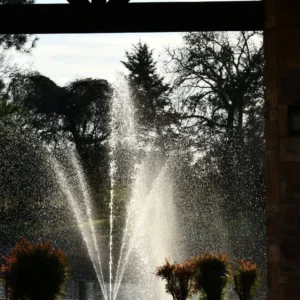
Creating a healthy and visually appealing pond requires the right balance of water movement, aeration, and design. For many residential and landscape settings, a 1/2 HP pond fountain offers an effective solution that combines functionality with aesthetics. These fountains are designed to provide consistent circulation while enhancing the overall look of the pond. With the right setup, they can improve water quality, support aquatic life, and create a more enjoyable outdoor environment.

What Is a 1/2 HP Pond Fountain?
A 1/2 HP pond fountain is a floating or stationary water feature powered by a half-horsepower motor. It is typically designed for small to medium-sized ponds, providing sufficient power to circulate water effectively without excessive energy consumption. These systems often include a pump, floating base, and interchangeable nozzles that allow users to customize spray patterns. Many models are capable of delivering thousands of gallons per hour, ensuring steady water movement and improved oxygen distribution. They are commonly used in residential ponds, decorative water features, and small commercial landscapes where both performance and visual appeal are important.

Benefits of Water Circulation and Aeration
One of the primary advantages of a 1/2 HP pond fountain is its ability to improve water circulation. Moving water prevents stagnation, which can lead to algae growth, foul odors, and poor water quality. By continuously circulating water, these fountains introduce oxygen into the pond, supporting fish and other aquatic organisms. Proper aeration also helps break down organic matter, contributing to a cleaner and healthier ecosystem. In addition to functional benefits, the sound of flowing water creates a calming atmosphere, making the pond a more relaxing space for homeowners and visitors.
Choosing the Right Size for Your Pond
Selecting the correct fountain size is essential for achieving optimal performance. A 1/2 HP pond fountain is generally recommended for ponds up to about half an acre, making it a suitable choice for many residential applications. Choosing a fountain that is too small may result in insufficient circulation, while an oversized unit can lead to unnecessary energy use. Factors such as pond depth, surface area, and intended use—whether decorative or functional—should be considered when making a selection. Proper sizing ensures that the fountain delivers both effective aeration and an attractive water display.

Design and Aesthetic Appeal
Beyond functionality, a 1/2 HP pond fountain enhances the visual appeal of outdoor spaces. Many systems offer multiple spray patterns, allowing users to create different effects depending on their preferences. From wide, fan-shaped sprays to tall, narrow jets, these patterns can transform a simple pond into a focal point. Optional lighting features further enhance the display, making the fountain visually striking even at night. LED lighting systems, in particular, add color and vibrancy, creating a dynamic and inviting atmosphere that enhances the overall landscape design.
Installation and Maintenance Considerations
Installing a pond fountain is generally straightforward, especially with floating models that do not require permanent anchoring. Most systems come with mooring ropes and power cords, allowing flexible placement within the pond. Routine maintenance is essential to ensure long-term performance. This includes cleaning the pump, checking for debris, and inspecting components for wear. Regular upkeep helps maintain efficiency and prevents potential issues that could affect operation. With proper care, these fountains can provide reliable performance for years while maintaining both functionality and appearance.
Conclusion
A well-chosen pond fountain can significantly enhance both the health and aesthetics of a water feature. For many pond owners, a balanced solution that offers reliable performance and visual appeal is key. Incorporating features like water fountain lights further elevates the overall experience by adding ambiance and extending usability into the evening hours. These enhancements also help create a more inviting outdoor space for relaxation and gatherings. Over time, they contribute to a more enjoyable and visually dynamic landscape environment.