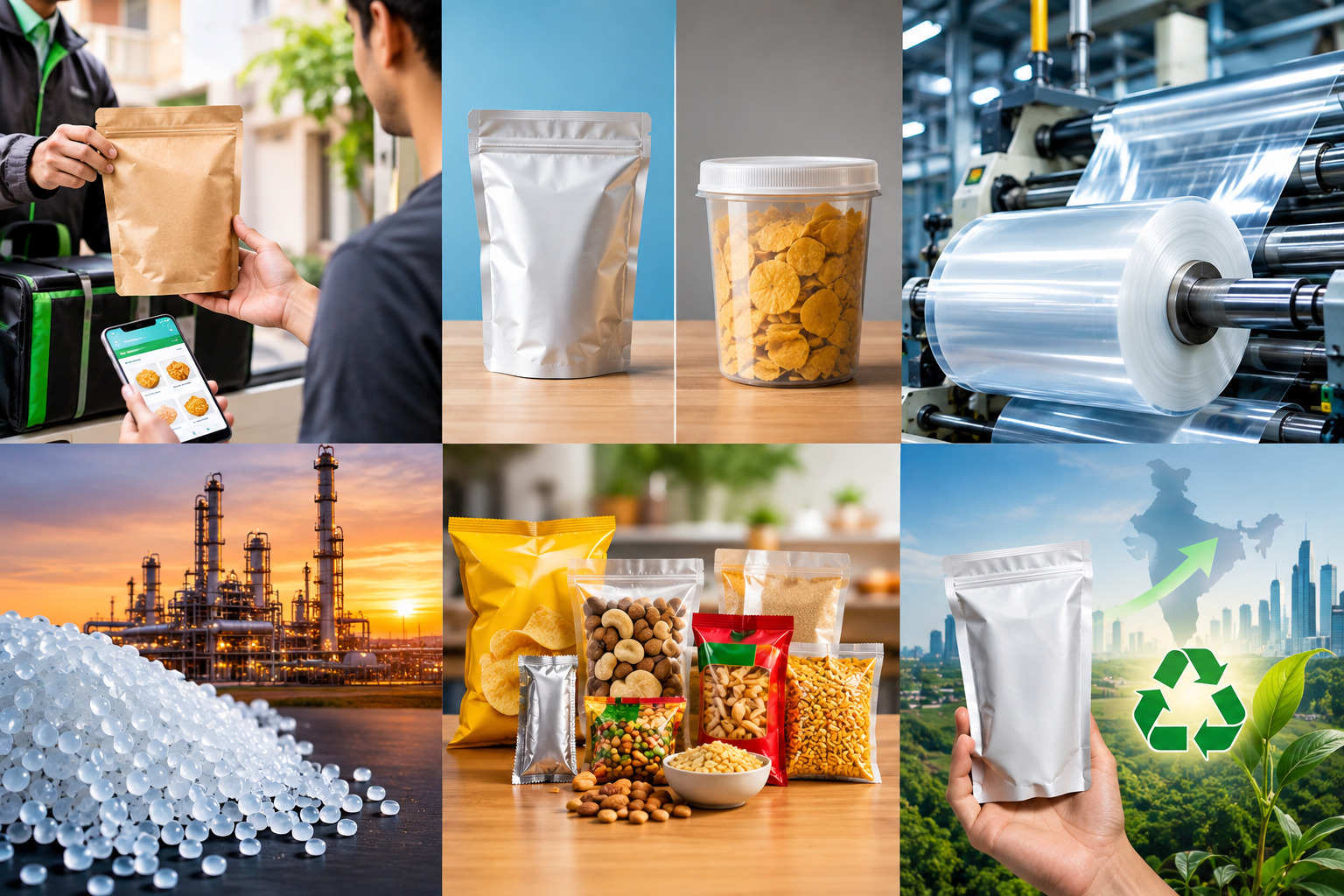
Look around you right now. The phone case, the pen, the polyester shirt, the packaging on your last delivery. Chances are all of it began life as oil or gas. A petrochemical company sits quietly behind most everyday products, turning hydrocarbons into the building blocks of modern manufacturing.

What is a petrochemical company?
A petrochemical company converts raw materials from petroleum and natural gas into chemicals and polymers. These are not fuels. They are ingredients, such as ethylene, propylene, benzene and butadiene, which are then turned into plastics, fibres, rubbers, solvents, paints and adhesives.

How does the petrochemical industry work?
The petrochemical industry runs in stages.
Feedstock. Most plants start with naphtha from refineries, or with ethane and propane from natural gas.
Cracking. In a cracker, feedstock is heated to very high temperature with steam, which breaks large molecules into smaller, more reactive ones. This produces olefins like ethylene and propylene, plus aromatics.
Polymerisation and conversion. Olefins are chained together into polymers such as polyethylene and polypropylene. Other units make PVC, PET, polyester and synthetic rubber.
Finishing. The polymers are sold as granules or resin to processors who mould, extrude or spin them into finished goods.

Which raw materials do petrochemical plants use?
In India, naphtha from refineries is the most common feedstock, which is why so many petrochemical complexes sit next to refineries. Gas based crackers, popular in regions with cheap ethane, are less common here. The choice of feedstock affects cost, product mix and carbon footprint, so it is one of the first questions any new project must answer.
What products come from the petrochemical industry?
| Product family | Examples | Where you see it |
| Polyolefins | Polyethylene, polypropylene | Bags, pipes, bottles, car parts |
| PVC | Rigid and flexible PVC | Pipes, cables, window frames |
| PET and polyester | Resin, fibre | Bottles, clothing |
| Synthetic rubber | SBR, polybutadiene | Tyres, footwear |
| Solvents and intermediates | Benzene, toluene, methanol | Paints, adhesives, detergents |
How is a petrochemical company different from a refinery?
A refinery separates crude oil into fuels such as petrol, diesel and aviation turbine fuel. A petrochemical company takes some of those outputs, mainly naphtha and gases, and builds chemicals from them. Many large Indian players run both under one roof, which is called integration. It lets them move streams between units and squeeze more value from every barrel.
Why does the petrochemical industry matter for India?
Demand is rising with construction, packaging, automobiles, textiles and healthcare. India still imports a good share of its polymers and chemicals, so expanding domestic capacity supports manufacturing and reduces import dependence. Dedicated petroleum, chemicals and petrochemicals investment regions on the coast aim to bring plants, ports and suppliers together. The sector also employs engineers, plant operators and a large downstream network of small processors.
What challenges does the petrochemical industry face?
Margins swing with crude and gas prices. Plants are capital heavy and take years to build. Emissions and plastic waste are under growing public and regulatory pressure. In response, companies are investing in energy efficiency, chemical recycling, recycled content polymers, bio based feedstocks and carbon capture trials. A petrochemical company that cannot show a credible sustainability plan will find it harder to win customers and funding.
What should buyers look for in a petrochemical company?
Look at grade range, consistency between batches, technical support, reliable logistics and clear safety and environmental compliance. Always ask for technical and safety data sheets before placing a large order.
Bottom line
A petrochemical company turns oil and gas into the materials that shape daily life. The petrochemical industry is complex and cyclical, but its products are hard to replace. The future will depend on how well it balances growth with cleaner processes.