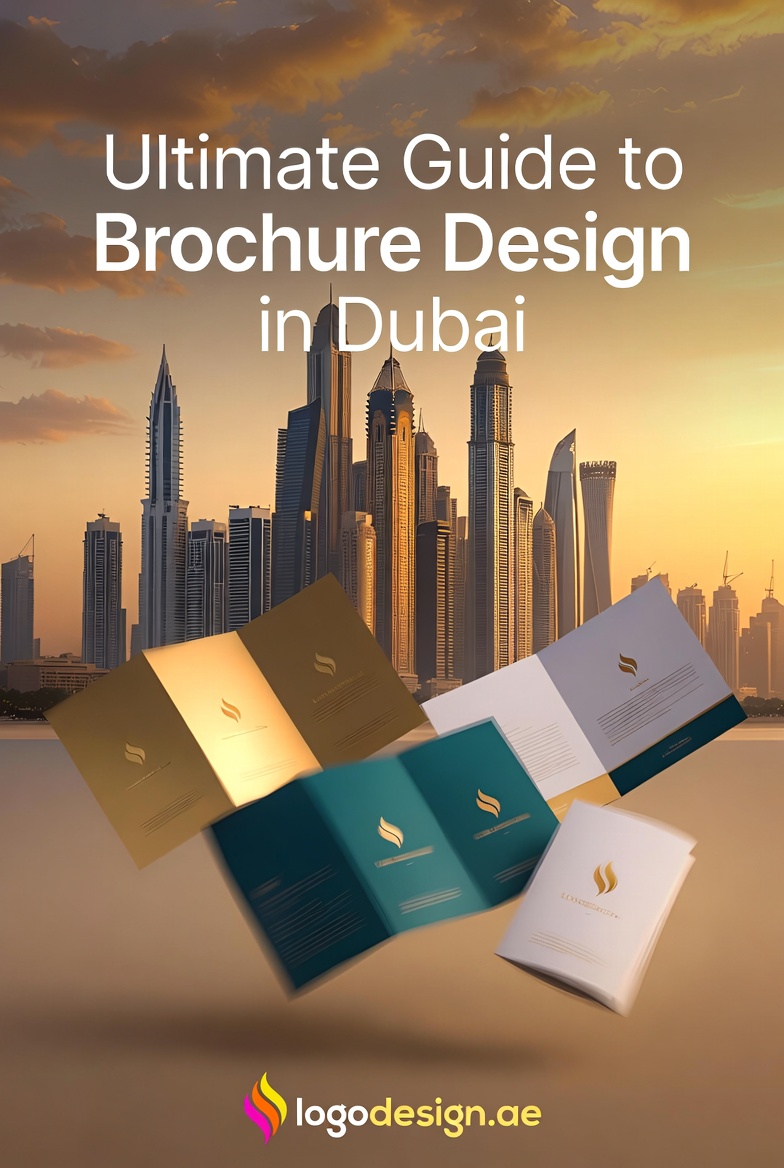
The Ultimate Guide to Brochure Design in Dubai: What Every Business Needs to Know
A brochure is often the first physical piece of a company a client holds in their hands, and in a market as competitive as Dubai, that first impression carries real weight. Whether it’s handed out at a trade show, left in a hotel lobby, or mailed to a prospective client, a well-made brochure can do the work of a full sales pitch in a few folded pages. Yet many businesses still treat brochure design as an afterthought, rushed together at the end of a marketing campaign rather than planned as a core asset.
Good brochure design starts with a clear purpose. Before a single layout decision is made, it helps to ask what the brochure is meant to achieve — is it introducing a new product line, building brand credibility, or supporting a sales team during client meetings? A brochure built to close a service contract looks very different from one meant to sit in a retail display. Skipping this step is the most common reason brochures end up generic, and generic brochures rarely get read past the cover.
Structure and Layout Fundamentals
The best brochure designs guide the reader’s eye in a deliberate sequence. A tri-fold layout, still one of the most popular formats, works because it naturally breaks content into an opening hook, a body that builds the case, and a closing panel with contact details or a call to action. Bi-fold and multi-page booklet formats offer more room for storytelling but require tighter editing discipline, since extra pages tempt businesses to over-explain rather than communicate clearly.
Print vs. Digital Considerations
Dubai’s business environment still relies heavily on printed brochures for exhibitions, property showcases, and in-person meetings, but digital-first brochures built for email and PDF sharing have become just as important. The two formats demand different technical approaches.
Print requires CMYK color profiles, bleed margins, and attention to paper stock, while digital versions benefit from clickable links, embedded contact buttons, and file sizes optimized for quick downloads. A design agency that understands both mediums can adapt a single concept for either use without the final product feeling like an afterthought conversion.
Common Mistakes to Avoid
A surprising number of brochures fail not because of bad design instincts but because of avoidable errors. Overcrowding a page with every possible service a business offers is one of the most frequent issues; a brochure that tries to say everything usually communicates nothing memorable.
Inconsistent branding — mismatched fonts, outdated logos, or colors that don’t match the rest of the company’s materials — is another. Weak calls to action are a quieter but equally damaging mistake: a beautifully designed brochure that never tells the reader what to do next often ends up in the recycling bin.
Writing Copy That Earns Its Space
Design carries a brochure only so far without copy that matches its ambition. The strongest brochure copy leads with a benefit rather than a company history, since most readers are scanning for what’s relevant to them before they’ll invest time in learning who the business is. A property developer’s brochure might open with the lifestyle a development offers before mentioning square footage; a professional services firm might lead with the specific problem it solves before listing credentials.
Saving the “about us” narrative for a secondary panel, rather than the opening spread, respects how people actually read printed material — quickly, and with permission to stop at any point.
Short paragraphs, active verbs, and specific numbers consistently outperform vague, adjective-heavy copy. A line claiming a business is “the leading provider of quality solutions” tells a reader almost nothing, while a specific claim — years in operation, number of clients served, or a measurable result — gives them something concrete to remember.
Budgeting for Quality
Brochure costs in the UAE vary widely depending on page count, paper stock, print run size, and the complexity of the design work involved. Businesses sometimes make the mistake of comparing quotes purely on price without accounting for what’s included — some agencies bundle copywriting, photography direction, and print liaison into a single fee, while others charge separately for each stage.
Choosing the Right Design Partner
Agencies offering dedicated brochure design services typically bring both the creative and technical sides together — handling everything from initial concept sketches to print-ready output — which saves businesses from coordinating between a copywriter, a designer, and a printer separately.