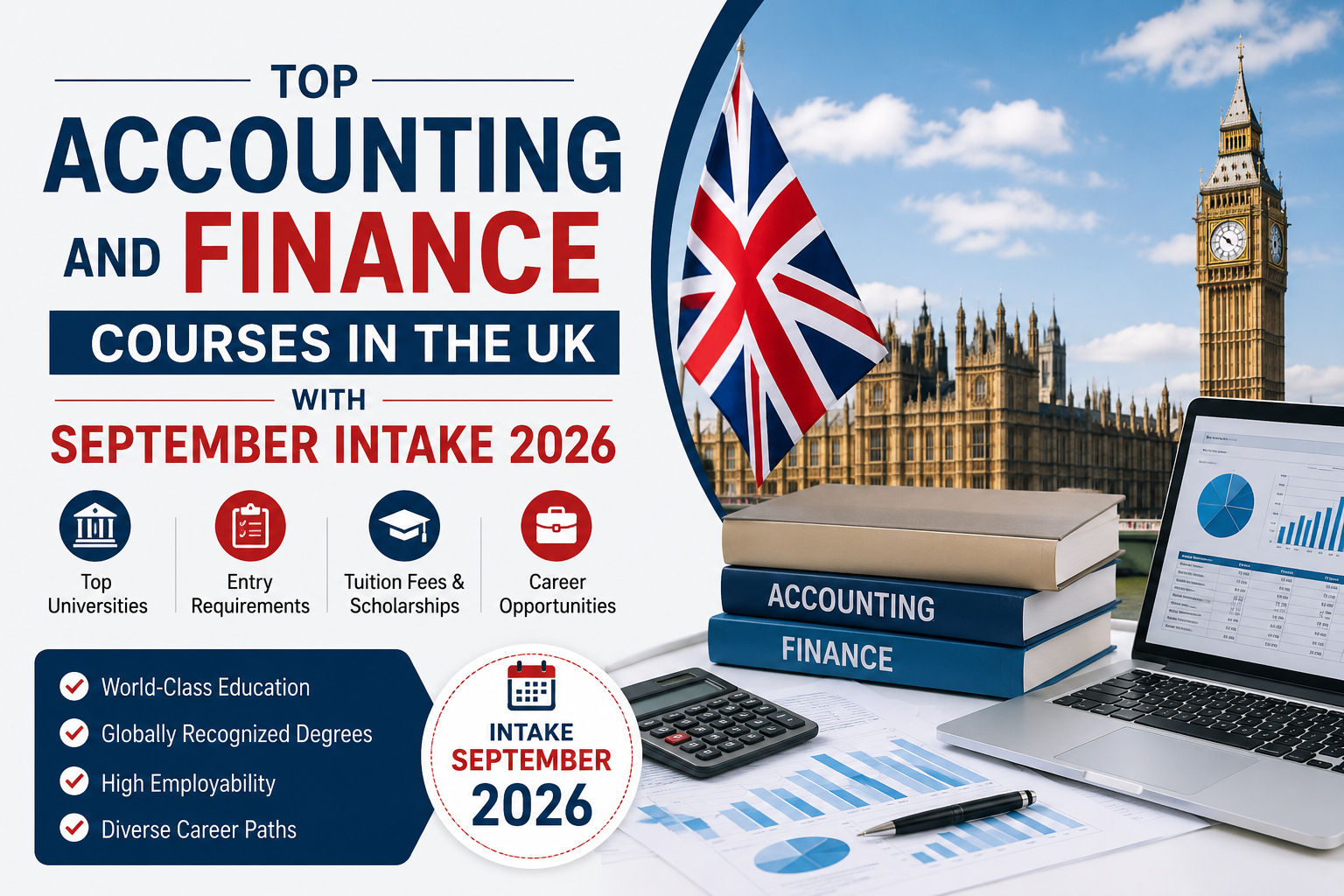
You sit there scrolling again. Another night staring at course lists, wondering if any of this will actually move the needle. The bills don’t wait. Your current job feels like it’s slowly draining you. And that voice in your head keeps asking is this the year you finally level up?

Why does picking a finance course feel like such a headache?
You’ve seen the glossy pages. Promises everywhere. But half the time you end up with theory that collects dust. Deadlines for September 2026 are creeping closer. Miss them and you’re stuck in limbo for another cycle.
What actually separates the decent programs from the rest?
Real talk. You need places that throw you into messy spreadsheets, actual company cases, and lecturers who’ve worked in the City. Not just endless PowerPoints.
Which universities keep showing up when people land solid jobs?
LSE still punches hard. Their accounting and finance programs mix numbers with real strategy. Warwick feels practical too. Bath gives you that strong analytical edge without drowning you in fluff.
How do you pick something that fits your actual life?
Some of you already work full time. Others have kids or commitments. Look for programs with placement years. That paid experience in year three changes the game. You earn while learning and walk out with contacts that matter.
What if you already finished your undergrad?
Then an MSc makes sense. Nottingham and Birmingham offer solid one-year routes. They push you into risk management, advanced reporting, and data tools that employers actually ask for. September 2026 start keeps your momentum going.
Should you chase extra qualifications inside the degree?
Absolutely. Hunt for ACCA or CIMA exemptions. Some courses slip in CFA Level 1 prep. You save serious cash and time on exams later. Recruiters notice that combo fast.
How painful is the money side?
UK fees sit around nine to ten grand for locals. International students pay more. London eats your wallet alive. Manchester or Sheffield stretch your budget further while still delivering quality teaching.
Scholarships exist. But you have to chase them early.
What trips up international students most?
Visa timing. CAS letters. Proof you can support yourself. Places like Aston and Oxford Brookes handle this stuff more smoothly than some bigger names. Start your paperwork now. Don’t get caught in last-minute panic.
Can you really learn this stuff online without falling behind?
A few strong hybrid options exist. But be brutally honest. You need iron discipline when nobody’s watching you show up to lectures. Some prefer the structure of campus life.
How do you match the course to where you actually want to end up?
Big Four auditing? Load up on accounting modules. Investment side? Go heavier on markets and quant work. Corporate roles love people who understand both worlds. Read forums. Talk to recent grads. Their stories cut through the marketing noise.
What should make you run in the opposite direction?
Programs stuck in 2015 content. No real talk about fintech or sustainability. Terrible graduate outcome numbers. Low industry links. Check the data yourself before you commit.
Ready to stop spinning your wheels?
Look, you didn’t come here for more vague advice. You want movement. Dig into entry requirements for your background. Write a personal statement that actually sounds like you. Prepare your references.
Because at the end of the day, the window to apply for september 2026 intake in uk is open right now. Some of the best Accounting and Finance Courses in UK have spots waiting for people who take action instead of just thinking about it. Pick one that matches your reality, put the application in, and start building something better. No more waiting on the sidelines.