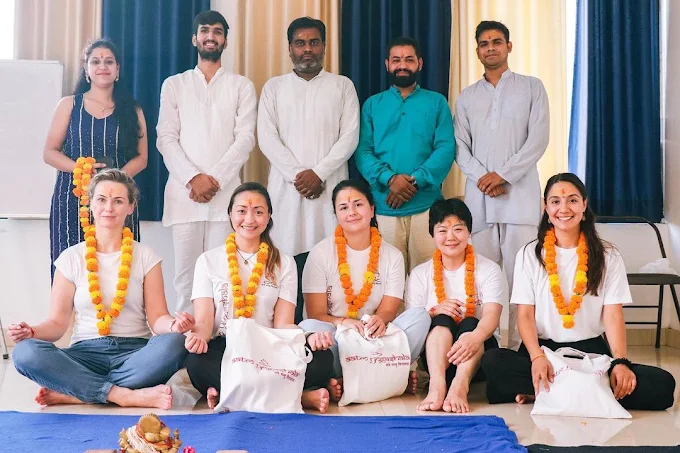
Travel does not always need to involve a packed schedule or visits to several destinations in a short time. Sometimes, spending more time in one place allows visitors to understand its atmosphere, explore local traditions, and enjoy experiences that might otherwise be missed. Rishikesh is well suited to this style of travel. Its riverside setting, yoga culture, traditional wellness practices, and surrounding natural landscapes offer plenty of opportunities for a meaningful stay.
Visitors can approach the city in different ways. A student may come to develop professional yoga skills, a working professional may want a peaceful break, and an adventure enthusiast may be interested in exploring the Ganga. Some travelers prefer to combine several activities, while others choose one main experience and give it their full attention. Planning according to personal interests can make a visit more comfortable and rewarding.

Make Yoga Learning Part of Your Travel Experience
Rishikesh attracts people who want to understand yoga through regular practice and guided education. For beginners, a yoga certificate course can provide a useful introduction to fundamental concepts. Lessons may cover asanas, pranayama, meditation, posture alignment, anatomy, relaxation, and traditional philosophy. Studying these subjects together can help learners understand the relationship between physical practice, breathing, and concentration.
People who want to explore formal training within a shorter period may consider the 100 hour yoga teacher training Course in Rishikesh. This program can introduce students to foundational postures, breathing techniques, meditation, and basic teaching skills. It may be suitable for beginners who want to understand how yoga education is organized before choosing a longer course. Reviewing the curriculum and admission requirements is important because course structures and certification arrangements can differ between schools.
For those interested in a more complete educational experience, the 200 hour yoga teacher training in rishikesh offers a broader curriculum. Students may study Hatha Yoga, Ashtanga Yoga, anatomy, philosophy, pranayama, meditation, sequencing, and teaching methodology. Practical teaching sessions provide opportunities to apply theoretical knowledge and learn how to guide a class. Participants interested in teaching professionally should check the training provider’s qualifications and the recognition associated with its certification.
Experienced yoga practitioners may continue their studies through the 300 hour yoga teacher training in Rishikesh. Advanced training can include deeper study of anatomy, challenging asanas, meditation, pranayama, adjustments, and teaching techniques. The program is generally intended for students who have completed the required foundational training. Comparing course content, teaching hours, and faculty experience can help learners select a program that supports their next stage of development.
A good yoga course should provide opportunities to ask questions, receive feedback, and understand techniques at an appropriate pace. Students should not focus only on completing the syllabus. Regular practice and thoughtful learning are equally important for developing a lasting understanding of yoga.
Enjoy a Wellness Break Without Rushing Your Schedule
A retreat provides a different way to experience Rishikesh. Rather than moving between several attractions, participants can follow a daily routine that gives attention to yoga, meditation, breathing, and relaxation. Different retreat durations make it easier to select a program that fits a weekend break, a longer holiday, or an extended stay.
A 3 days yoga retreat in rishikesh can be a convenient option for people who have limited time. It may include guided yoga sessions, meditation, pranayama, and relaxation activities. The short duration can help first-time participants become familiar with the retreat environment. It also allows travelers to add a wellness experience to a larger trip without making major changes to their schedule.
A 5 days yoga retreat in Rishikesh gives visitors additional time to become comfortable with the daily routine. Participants can attend regular sessions, learn different techniques, and enjoy periods of rest between activities. This duration can work well for people who want more than a brief introduction but cannot take a longer holiday. Checking the schedule in advance helps determine whether the retreat offers enough flexibility.
Those who can spend a full week may prefer a 7 days yoga retreat in rishikesh. Seven days allow participants to follow a more consistent routine and become familiar with the different practices included in the program. Morning yoga, meditation, and breathing exercises may become regular parts of the day. Free time can also be used for nature walks or exploring nearby areas.
For a longer experience, a 10 days yoga retreat in Rishikesh provides additional time to settle into the surroundings. Participants may have more opportunities to revisit techniques, attend different sessions, and develop a better understanding of their daily practice. It can suit travelers who want an immersive wellness break while keeping their stay shorter than two weeks.
An extended 14 days yoga retreat in Rishikesh gives visitors two weeks to focus on yoga and mindful living. A longer schedule may include daily practice, meditation, pranayama, relaxation, nutritious meals, and opportunities for personal reflection. Before selecting a retreat, visitors should compare accommodation, food arrangements, instructor guidance, and the activities included in the package.
The most suitable retreat is one that matches your expectations and provides a comfortable balance between learning and rest. A peaceful schedule can be more valuable than a program filled with too many activities.
Discover Traditional Practices and Outdoor Experiences
Apart from yoga, Rishikesh offers opportunities to explore traditional Indian wellness knowledge. Visitors interested in sound and meditation may consider a sound healing course rishikesh. Such programs can introduce students to Tibetan singing bowls, crystal bowls, chanting, and sound bath practices. Depending on the curriculum, participants may learn how instruments are used during guided relaxation sessions and take part in practical demonstrations.

Before enrolling, it is worth checking whether the course is intended for beginners or people with previous experience. Students should also review the practical sessions, trainer qualifications, and certificate details. Sound-based activities can be explored as part of relaxation and meditation, but they should not be treated as guaranteed medical treatments.
An ayurveda therapy course can introduce participants to another part of India’s traditional wellness knowledge. Course subjects may include Ayurvedic lifestyle concepts, nutrition, traditional massage techniques, herbs, and daily routines. Practical demonstrations can help students understand how selected techniques are performed. Anyone considering professional training should verify the course syllabus and instructor qualifications before joining.
Rishikesh also has an outdoor side that appeals to visitors who enjoy physical activities. Rafting In Rishikesh offers an opportunity to experience the Ganga through a guided river adventure. Different stretches provide different levels of difficulty, depending on the route and river conditions. The surrounding landscape adds to the experience and makes it a popular activity for many travelers.
Safety arrangements should be considered before booking. Participants should choose a responsible operator, listen to the safety briefing, use the recommended equipment, and follow instructions from trained guides. River conditions and local operating rules can affect availability, so travelers should confirm the details before finalizing their plans.
Slow travel makes it easier to enjoy these activities without rushing. Visitors can dedicate certain days to yoga or wellness learning and keep separate time for outdoor exploration. This creates a more balanced itinerary and allows enough time to rest.
Build a Yoga Routine That Continues at Home
One of the most useful outcomes of a learning journey is discovering practices that can be continued after returning home. However, regular yoga practice can become difficult when daily responsibilities take priority. Online learning provides an option for people who want to maintain their routine without traveling to a physical studio.
Through online yoga classes, students can attend guided sessions from their homes or while traveling. Depending on the provider, classes may be available through live video sessions or recorded lessons. Programs can include asanas, stretching, pranayama, meditation, and relaxation. This flexibility makes online learning suitable for people with different schedules and experience levels.
When choosing the best online yoga classes, students should consider instructor experience, teaching style, class structure, and the quality of demonstrations. Beginners may benefit from detailed explanations and simpler variations, while experienced practitioners may prefer sessions with different levels of difficulty. The availability of feedback and suitable modifications can also improve the learning experience.
A consistent schedule is often easier to maintain when it begins with manageable goals. Practicing a few times each week can help students develop a routine without creating unnecessary pressure. Over time, they can adjust the duration and frequency according to their comfort and availability.
Students can also keep notes about the techniques they learned during their stay in Rishikesh. Recording useful instructions and areas that need further practice can help them remain focused. Online classes then become a practical way to revisit familiar lessons and continue developing their understanding.
Plan a Comfortable and Meaningful Stay in Rishikesh
A successful trip starts with deciding what you want to gain from the experience. People interested in professional development should compare training programs by their syllabus, faculty, teaching hours, and certification details. Travelers seeking relaxation may prefer a retreat that offers suitable accommodation, nutritious meals, and a balanced schedule. Visitors interested in traditional practices or adventure can include those activities according to their interests.
Budget planning is another important step. Course fees, accommodation, food, local transport, and optional excursions can influence the total cost. Before making a booking, ask the provider which facilities are included and whether additional charges apply. It is also helpful to understand cancellation conditions and confirm the schedule in advance.
Travelers should leave some free time in their itinerary instead of planning every hour. A flexible schedule allows opportunities to explore local surroundings, rest after physical activities, and adjust plans when necessary. This is especially useful for visitors combining yoga training with rafting or other outdoor experiences.
Rishikesh can offer something different to every visitor. Some leave with new professional knowledge, others discover a wellness routine, and many enjoy the opportunity to spend time in a peaceful natural setting. The value of the journey comes from choosing experiences that suit personal interests rather than trying to complete every available activity.
With thoughtful planning, a visit to Rishikesh can become a rewarding combination of learning, relaxation, and exploration. The experiences gained during the journey can continue to influence everyday habits long after the trip has ended.
