For centuries, tapestries have served as both artistic masterpieces and functional decorative elements. Among the most celebrated examples of textile art are the unicorn tapestries of the late Middle Ages, which continue to captivate historians, collectors, and interior design enthusiasts alike. Rich in symbolism, craftsmanship, and storytelling, the medieval unicorn tapestry remains one of the most recognizable forms of historical wall art.

Originally created as luxurious woven artworks for noble households, unicorn tapestries have transcended their medieval origins to become enduring symbols of elegance, mystery, and artistic excellence. Their continued popularity reflects both their historical significance and their ability to enhance modern interior spaces. The famous Unicorn Tapestries, woven between approximately 1495 and 1505, are considered among the finest surviving examples of medieval textile art.
The Historical Origins of Unicorn Tapestries
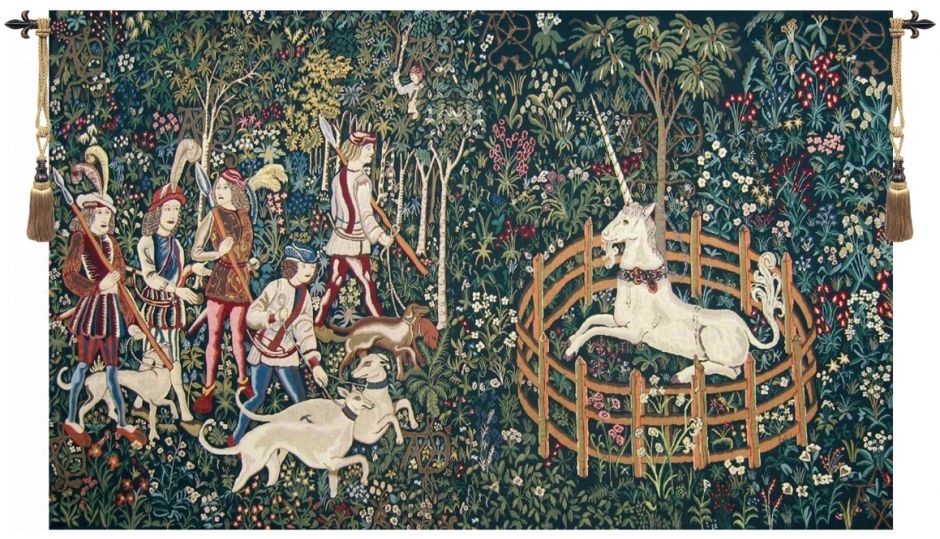
The most famous unicorn tapestries originate from a celebrated series known as The Hunt of the Unicorn. Historians believe these works were designed in France and woven in what is now Belgium during the late fifteenth and early sixteenth centuries. The series depicts noble hunters pursuing a unicorn through a sequence of richly detailed scenes.
These tapestries were not merely decorative objects. During the medieval period, tapestries served practical purposes by insulating stone walls while simultaneously demonstrating wealth and social status. A medieval unicorn tapestry often occupied a prominent place within castles, manor houses, and royal residences.
The intricate weaving techniques, luxurious materials, and vibrant colors used in these works reflected the exceptional skill of Flemish tapestry artisans, who were among the most respected textile producers in Europe.
Symbolism Behind the Unicorn
The unicorn held profound symbolic meaning throughout medieval Europe. It was associated with purity, virtue, wisdom, and spiritual power. In Christian symbolism, the unicorn was often linked to themes of sacrifice, redemption, and divine grace.
Many medieval legends suggested that only a maiden could tame a unicorn, a concept frequently depicted in artistic works of the period. These symbolic narratives added layers of meaning to every medieval unicorn tapestry, making the artwork both visually captivating and intellectually engaging.
The enduring fascination with unicorn imagery stems from its combination of fantasy, mythology, and spiritual symbolism, which continues to resonate with audiences today.
Artistic Characteristics of Medieval Unicorn Tapestries
Several distinctive features contribute to the lasting appeal of these remarkable works.
Millefleurs Backgrounds
One of the most recognizable characteristics is the use of “millefleurs,” or “thousand flowers,” backgrounds. These densely woven floral landscapes create a sense of richness and visual depth.
Detailed Storytelling
Unlike many forms of decorative art, unicorn tapestries often tell complete stories through sequential scenes. Each panel contributes to a larger narrative filled with symbolism and dramatic action.
Exceptional Craftsmanship
The original tapestries incorporated wool, silk, silver, and gilded threads, resulting in extraordinary texture and visual complexity. Many surviving examples continue to impress viewers more than five centuries after their creation.
These artistic qualities help explain why the medieval unicorn tapestry remains one of the most admired forms of historical textile art.
The Role of Unicorn Tapestries in Modern Interior Design
While their historical significance is undeniable, unicorn tapestries have also found a place in contemporary interior design.
Creating a Focal Point
Large tapestry designs naturally draw attention and can serve as striking focal points within living rooms, studies, libraries, and dining areas.

Adding Texture and Warmth
Unlike framed artwork, woven textiles introduce softness, depth, and texture that enhance the atmosphere of a space.
Incorporating Historical Character
Many homeowners appreciate the ability of a unicorn tapestry to introduce a sense of history, tradition, and craftsmanship into modern interiors.
Because of these qualities, a medieval unicorn tapestry can complement a wide variety of design styles, including traditional, eclectic, vintage-inspired, and even contemporary spaces.
Why Tapestries Continue to Remain Relevant
The ongoing popularity of tapestries reflects broader trends in interior design that emphasize authenticity, craftsmanship, and meaningful décor.
Modern consumers increasingly seek decorative pieces that tell stories and create emotional connections. Historical textile art fulfills this desire by combining artistic beauty with cultural significance.
A well-chosen unicorn tapestry can serve as both a decorative feature and a conversation piece, inviting viewers to explore the legends and symbolism woven into its design.
Furthermore, tapestries provide a unique alternative to conventional wall art, offering texture and dimension that paintings and prints may not achieve.
Collecting and Appreciating Medieval-Inspired Tapestries
Interest in historical wall art has grown among collectors and design enthusiasts alike. Reproductions inspired by original unicorn tapestries allow modern audiences to enjoy the visual impact of these masterpieces without requiring access to museum collections.
When selecting a tapestry, many buyers consider:
- Historical authenticity
- Weaving quality
- Material composition
- Size and scale
- Color palette
- Decorative compatibility
These factors help ensure that the chosen piece contributes effectively to both aesthetic and functional design goals.
A carefully selected medieval tapestry can enrich a room while celebrating one of the most fascinating artistic traditions in European history.
The Lasting Legacy of Unicorn Tapestries
Few artistic works have maintained their cultural relevance as successfully as the unicorn tapestries. Their combination of mythological storytelling, exceptional craftsmanship, and timeless symbolism continues to inspire artists, historians, and designers around the world.
Museums, scholars, and textile enthusiasts continue to study these masterpieces, uncovering new insights into medieval society, artistic techniques, and symbolic traditions.
Conclusion
The enduring popularity of the medieval unicorn tapestry reflects its unique ability to bridge history, mythology, and design. From its origins in the courts and castles of medieval Europe to its place in modern homes, this remarkable art form continues to captivate audiences with its beauty and symbolism. As interest in historical interiors and meaningful design grows, many homeowners and collectors continue to embrace the charm of medieval tapestry traditions while incorporating elegant tapestry wall decor into contemporary living spaces. Whether appreciated for its historical significance, intricate craftsmanship, or decorative appeal, a unicorn tapestry remains a timeless expression of artistic excellence.