Many people grind or clench their teeth without having the faintest idea they’re doing it. It often happens during sleep, silently and unconsciously, and the first clue is frequently an aching jaw in the morning, a headache, or a dentist pointing out the tell-tale wear on the teeth. By then, the habit may have been quietly causing damage for a long time.

Teeth grinding, known medically as bruxism, is surprisingly common, affecting both adults and children, and its effects range from mild to genuinely significant. Because so much of it happens out of sight during sleep, it’s one of those problems that can progress for years before anyone notices. Understanding what it is, why it happens, how to spot it, and what can be done about it helps people catch and address a problem that so often goes unnoticed. Here’s a clear, thorough guide to teeth grinding and the damage it can do.

What Bruxism Is
Bruxism is the medical term for grinding, gnashing or clenching the teeth.
It comes in two broad forms. Awake bruxism happens during the day, often unconsciously, when a person clenches their jaw while concentrating, driving, or feeling stressed. Sleep bruxism happens during sleep and is generally consider the more damaging of the two, precisely because the person is completely unaware of it and has no ability to consciously stop.
The distinction matters, because the two forms can have somewhat different causes and are manage slightly differently. Awake bruxism is often more about clenching and is linked closely to stress and concentration, while sleep bruxism tends to involve more active grinding and is associated with sleep patterns. Many people who grind their teeth are surprised to learn they do it at all, since the sleep variety leaves no conscious memory.
Why People Grind Their Teeth
Bruxism doesn’t have a single cause, but several factors are commonly involve, and often more than one is at play.
- Stress and anxiety are among the most strongly associate factors, which is why grinding often increases during difficult or busy periods. Many people notice their jaw tension rising when life is stressful.
- Sleep-related factors, since sleep bruxism is link to certain sleep patterns and disturbances, and can be associated with disrupt sleep.
- Lifestyle factors, such as caffeine, alcohol and smoking, all of which can increase the likelihood and intensity of grinding, particularly when consumed in the evening.
- Bite issues, where the way the upper and lower teeth fit together may contribute in some people.
- Certain medications and substances, which can list grinding among their effects.
Stress is a particularly common thread, especially for awake bruxism, because the causes vary from person to person, understanding what’s driving an individual’s grinding is an important part of managing it effectively, rather than simply treating the symptoms.
The Signs of Teeth Grinding
Since grinding so often happens unconsciously during sleep, recognising the signs is key to catching it. The indicators fall into a few groups.
Signs in the teeth and mouth include:
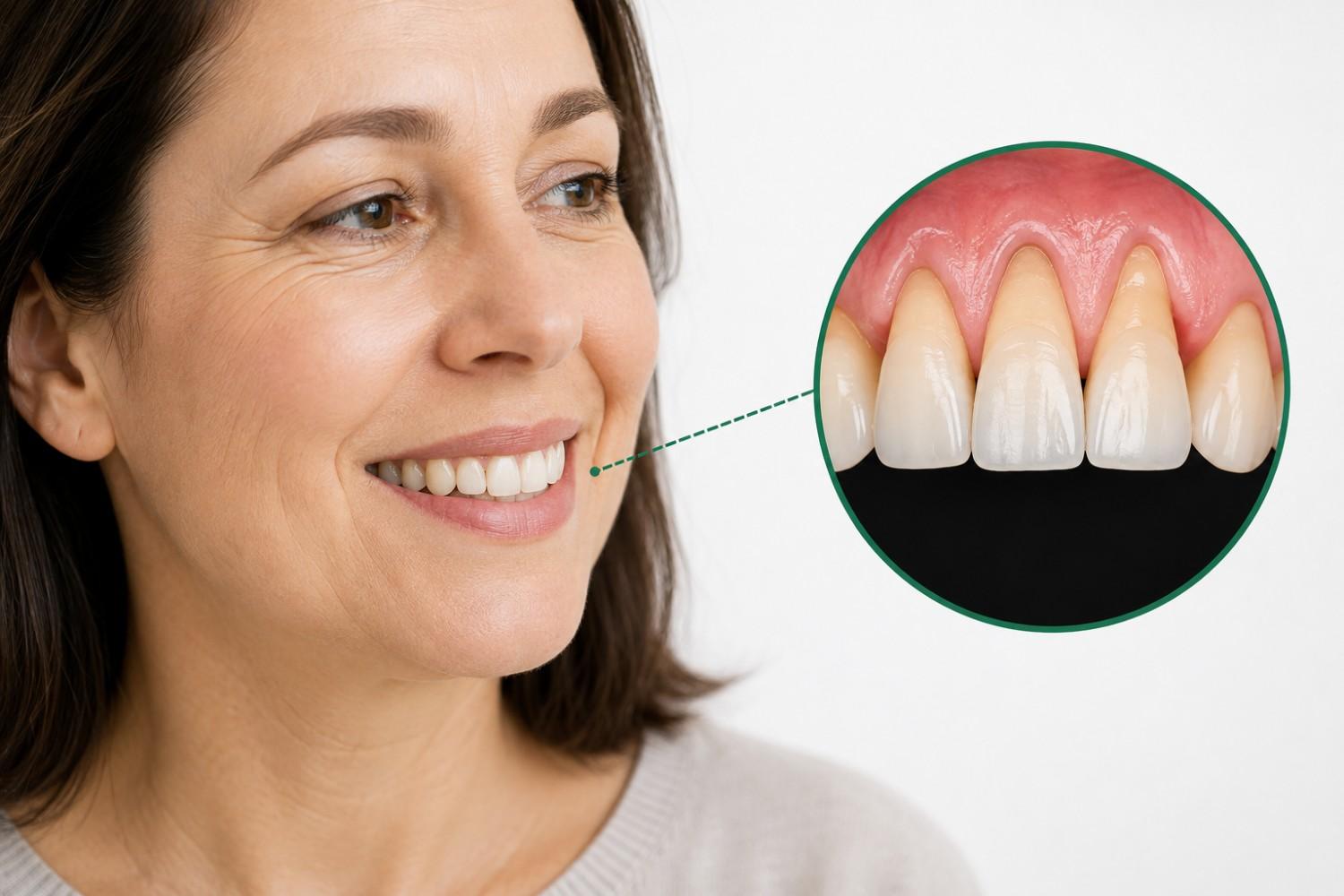
- Worn, flattened or chipped teeth, as the enamel is gradually ground down over time
- Increased tooth sensitivity, as the protective enamel wears thin and exposes more sensitive layers
- Indentations on the tongue or marks on the inside of the cheeks from clenching
Signs in the jaw, face and head include:
- Jaw pain, tightness or stiffness, particularly noticeable on waking
- Headaches, often dull ones around the temples, especially first thing in the morning
- Aching facial muscles or a feeling of tiredness in the jaw
- Earache-like discomfort, even though the ears themselves are fine
Other signs include disrupted sleep, & a partner hearing the grinding sound during the night, which is often how people first discover they grind at all. A dentist can also spot the characteristic patterns of wear on the teeth during a routine check-up, frequently identifying bruxism before the person is even aware of it. For reliable, non-commercial information on oral health, Healthdirect, the Australian Government’s health information service, is a trustworthy reference.
The Damage It Can Cause
Left unaddressed, bruxism can cause a range of problems, which is why it’s worth taking seriously rather than dismissing.
The most direct effect is on the teeth themselves. The repeated force of grinding gradually wears down the teeth, flattening the biting surfaces and thinning the enamel. This can lead to sensitivity as the protective enamel is lost, and makes the teeth more vulnerable to further problems. Over time, grinding can crack or chip teeth, and it can damage existing dental work such as fillings, crowns and other restorations, sometimes shortening their lifespan considerably. In more severe, prolonged cases, the excessive force can even contribute to loosening teeth.
Beyond the teeth, chronic grinding places significant strain on the jaw muscles and the jaw joint. This can contribute to jaw problems, including disorders of the jaw joint, along with facial pain, difficulty or discomfort when opening the mouth wide, and the persistent headaches many grinders experience. The muscles of the jaw can become enlarged and sore from the constant overwork.
The gradual, cumulative nature of this damage is exactly why catching bruxism early matters so much.

Teeth Grinding in Children
Bruxism isn’t only an adult problem; it’s actually quite common in children, and worth a brief mention for reassurance.
Many children grind their teeth at some point, often during sleep, and in most cases it’s a phase they grow out of without any lasting harm, particularly while they still have their baby teeth. It’s frequently link to factors like the growth and development of the teeth and jaws.
That said, if a child grinds heavily, complains of jaw pain or headaches, or shows noticeable wear on the teeth, it’s worth mentioning to a dentist, who can check whether anything needs attention. For most children, though, occasional grinding is not a cause for alarm.
What Can Be Done About It
The good news is that bruxism can be managed effectively, protecting the teeth from further damage even where the grinding itself is hard to eliminate entirely.
The most common and effective protective measure is a custom-made night splint, also called a night guard or occlusal splint, worn during sleep. Made by a dentist to fit the individual’s teeth precisely, it cushions the teeth and absorbs and redistributes the forces of grinding, protecting them from wear and damage. It’s important to understand that a splint doesn’t necessarily stop the grinding itself, but it protects the teeth from its effects, which is a significant benefit and prevents further wear. Custom splints made by a dentist are generally more comfortable and effective than generic over-the-counter versions.
Alongside protecting the teeth, addressing the underlying causes helps tackle the grinding itself:
- Managing stress, through relaxation techniques, exercise, better work-life balance or other means, since stress is such a common driver, particularly of clenching
- Improving sleep habits and addressing any underlying sleep issues, given the link between sleep bruxism and sleep patterns
- Reducing caffeine and alcohol, especially in the evening, as both can increase grinding
- Avoiding smoking, which is among the lifestyle factors associate with bruxism
- Being mindful of daytime clenching, consciously relaxing the jaw and keeping the teeth slightly apart when the habit is noticed during the day
- Jaw exercises or physiotherapy in some cases, which a professional may recommend to ease muscle tension
Where damage has already occurred, a dentist can also restore worn or damaged teeth and repair affected dental work as needed. Anyone who suspects they grind their teeth, or notices any of the signs, would benefit from seeing a dentist. A practice such as Bradbury Dental Surgery can check for the signs of grinding, provide a custom night splint to protect the teeth, address any damage, and advise on managing the habit and its underlying causes.
The Bottom Line
Teeth grinding is a common but often unnoticed habit that frequently happens during sleep, causing gradual damage to the teeth and jaw that many people are unaware of until the signs appear. Worn or chipped teeth, sensitivity, jaw pain and morning headaches are among the clues, and a dentist can often spot the characteristic wear before the person realises what’s happening. It affects children as well as adults, though in children it’s usually a harmless phase.
The reassuring part is that bruxism can be manag. A custom night splint protects the teeth from the forces of grinding, while addressing the underlying causes, particularly stress, sleep and lifestyle factors, helps tackle the habit itself. Catching and addressing grinding early, before significant damage occurs, is the key to protecting the teeth for the long term.
Frequently Asked Questions
How Do I Know if I Grind My Teeth in My Sleep?
A partner may hear the grinding at night. A dentist can also spot the characteristic wear during a check-up, often identifying grinding before you’re aware of it, so it’s worth mentioning any of these signs.
Can Teeth Grinding Damage My Teeth?
Yes. In severe cases it can loosen teeth. It also strains the jaw muscles & joint, contributing to jaw problems, facial pain and headaches. This is why catching and addressing grinding early is important to prevent lasting damage.
How Is Teeth Grinding Treated?
A dentist can provide a splint, restore any damaged teeth, and advise on managing the habit and its causes.
Is Teeth Grinding in Children Something to Worry About?
Usually not. It’s often link to the growth of the teeth and jaws.
Read More Blogs: Press Bulletin