Introduction
I first stumbled upon the Suika Game during one of those late-night internet spirals — you know the kind. One moment you’re checking the weather, the next you’re watching a virtual watermelon bounce off a bunch of grapes with alarming physics, muttering “just one more round” at 2 AM. If this sounds familiar, congratulations: you’ve been bitten by the fruit-merging bug, and there’s no known cure. But honestly? That’s perfectly okay.
Let’s talk about why this quirky little puzzle game has become an obsession for so many, and how you can get the most out of your own fruity adventures.

What Exactly Is This Watermelon Madness?
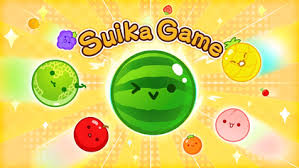
At its heart, the Suika Game is a physics-based puzzle game with a beautifully simple premise. You drop fruits — starting small with cherries and grapes — into a box-like container. When two of the same fruit touch each other, they merge into a larger fruit. A pair of strawberries becomes a pair of lemons. Two lemons become kiwi. And so on, all the way up to the grand prize: a massive, satisfying watermelon.
The catch? The box fills up fast. Fruits wobble, roll, and pile up unpredictably. If any fruit pushes above the invisible top line of the container, your game ends. That’s it. No power-ups, no second chances, no fancy combos — just you, gravity, and an increasingly chaotic mountain of produce.
It sounds almost too simple to be addictive. And yet.
The Gameplay Loop That Sneaks Up On You
What makes Suika Game so compelling isn’t any single feature — it’s the loop. Each drop is a tiny risk-reward calculation. Do you aim that large melon carefully between two oranges, hoping they merge? Or do you toss it recklessly and pray the physics gods are merciful?
The game punishes hesitation and rewards adaptability. You quickly learn that perfect planning is a myth. The fruits shift as they land, rolling in ways you didn’t anticipate, creating gaps you didn’t see coming. The best players don’t stick to rigid strategies — they read the board in real-time and adjust.
There’s also a quiet meditative quality to it. The soft thunk of fruits landing, the satisfying pop when two merge, the gentle wobble of the pile settling. Between rounds, there’s no timer breathing down your neck, no combos demanding lightning reflexes. It’s just you and the fruit, round after round, chasing that elusive watermelon.
Practical Tips for Climbing the Fruit Ladder
After more hours than I care to admit, here are a few things I’ve picked up that genuinely help:
Start small and stay patient. Early rounds are tempting to rush through, but that’s when bad habits form. Take your time placing cherries and grapes. A solid foundation of small fruits keeps the box manageable longer.
Don’t fixate on the watermelon. Yes, it’s the ultimate goal. But chasing it too aggressively — dropping large fruits too early — is the fastest way to end your run. Focus on clearing mid-tier fruits (lemons, kiwi, peaches) to keep space open. The watermelon comes naturally when the lower layers are under control.
Use the walls. Fruits bounce off the side walls of the box. This isn’t a bug — it’s a feature. You can bank fruits off the walls to reach tight spots or nudge an existing fruit into a merge position. Mastering the angle of your drops is a game-changer.
Know when to take the L. Sometimes a round is unsalvageable. The pile is too high, the fruits are too big, and there’s no graceful way out. Instead of panicking and making things worse, accept the loss and start fresh. Every round is practice for the next.
Play for the process, not the score. This is the most important tip. The moment you start obsessing over your high score is the moment the game stops being fun. Play to enjoy the wobble physics. Play to hear that satisfying pop. Play because it’s a pleasant way to spend fifteen minutes. The score will follow.
Why This Simple Game Works So Well
There’s a reason Suika Game has resonated with so many people. In an era of sprawling open worlds and hundred-hour RPGs, there’s something refreshing about a game that asks almost nothing of you. No story to follow. No inventory to manage. No lore to memorize. Just fruit, gravity, and the quiet thrill of watching two kiwis become something more.
It’s the kind of game that respects your time. You can play for five minutes during a coffee break or sink into an hour-long session — both feel equally valid. The difficulty curve is gentle but real: easy to learn, hard to master, and just punishing enough to make every watermelon feel like a genuine achievement.
Give It a Drop
Whether you’re a seasoned puzzle game veteran or someone who hasn’t played anything since Tetris on a Game Boy, the Suika Game has something to offer. It’s warm, it’s funny, it’s surprisingly deep, and it might just become your new favorite way to unwind.
So go ahead. Drop a cherry. See what happens. And if you find yourself still playing three hours later, well — welcome to the club. The fruit waits for no one.