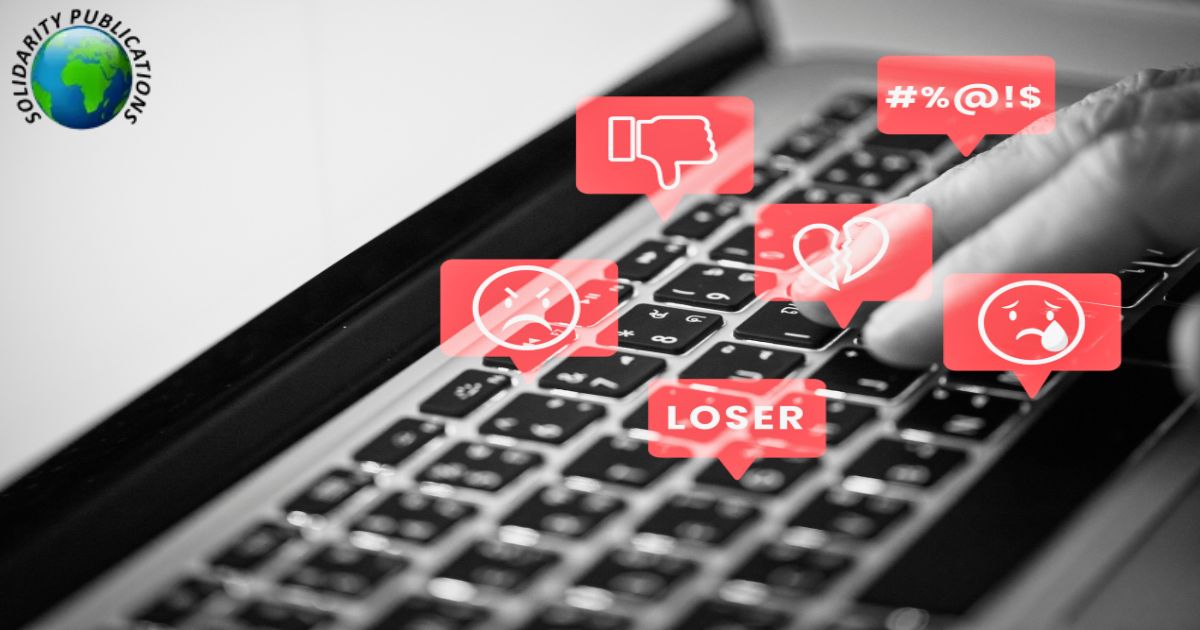
Social media gives people a powerful way to share ideas, discuss problems, and learn about events around the world. A message posted in one country can reach millions of people within minutes. This connection creates opportunities for understanding, but it also brings serious challenges.
Understanding social media and conflict is important because online conversations can shape public opinion, influence relationships, and affect how communities respond to real-world problems.

During political disagreements, protests, or international conflicts, online discussions can quickly become heated. False claims may spread, communities may turn against each other, and people can begin to distrust anyone with a different opinion. However, these platforms can also help people share accurate information, support peaceful movements, and encourage cooperation.
The real question is not whether social media is good or bad. It is how people, communities, and technology companies choose to use it.
How Social Media and Conflict Affect Communities
Online disagreements do not always stay online. A misleading post can damage someone’s reputation, create fear, or increase tension between groups. When thousands of people share the same unverified claim, it may begin to look trustworthy even when reliable evidence does not support it.
Misinformation can spread when users share incorrect information without realizing it is false. Disinformation is different because someone deliberately creates or shares misleading material to influence others. Both can make it harder for people to understand what is happening during a crisis.
Another problem is the way social media encourages quick reactions. People often comment or repost content before checking the facts. Emotional headlines and shocking images can attract attention, while careful explanations may receive less engagement.
Political and cultural differences can make this problem worse. When users see only opinions that match their own, they may start believing that everyone outside their group is unreasonable or dangerous. This can deepen division and weaken trust.
The effects can be especially serious during armed conflicts. Unverified videos, old photographs, and misleading captions can confuse audiences about events on the ground. Readers may form strong opinions before reliable reporting becomes available.
DeeKnight discusses a related issue in its article on media propaganda and misleading war coverage. Understanding how information influences public opinion helps readers question dramatic claims rather than accepting every message at face value.
Why Online Disagreements Become So Difficult to Resolve
In face-to-face conversations, people can notice expressions, hear someone’s tone, and ask questions to clear up misunderstandings. Online discussions often remove these helpful signals.
A short comment may sound insulting even when the writer did not intend to offend anyone. Others may respond angrily, and the conversation can quickly become a personal attack instead of a discussion about the original issue.
Some users also feel more comfortable expressing hostility behind a screen. They may use insulting language that they would avoid in person. When others join in, harmful behavior can begin to seem normal.
There is another challenge: people sometimes treat disagreement as a personal threat. Instead of considering another person’s argument, they focus on defending their identity or proving the other person wrong.
Healthy discussion requires a different approach. People need space to question claims, explain their concerns, and reconsider their views without facing humiliation. Respect does not mean agreeing with every opinion. It means recognizing that disagreement should not become an excuse for harassment or hatred.
Can Social Media Help Build Peace?
Yes, social media can support peace when people use it to share reliable information, connect communities, and promote constructive action.
Local organizations can use online platforms to announce community meetings, explain peaceful initiatives, and invite volunteers. People affected by conflict can also share their experiences with wider audiences. These stories can help others understand the human cost of violence beyond headlines and statistics.
Social media can also connect people who might never meet in person. Students, teachers, researchers, and community leaders can exchange ideas across borders. Such conversations may challenge stereotypes and help people discover shared concerns.

For example, two communities with a history of disagreement could organize an online discussion about education, public safety, or access to local services. If participants listen carefully and focus on practical solutions, they may find common ground without pretending their differences do not exist.
Research from the Stockholm International Peace Research Institute explains that social media can support peacebuilding, but it can also enable disinformation and radicalization. Its benefits depend partly on how citizens, organizations, governments, and platforms respond to these risks.
These possibilities show why online peacebuilding deserves attention. Technology cannot replace trust or face-to-face cooperation, but it can help people begin conversations and organize meaningful action.
Practical Ways to Reduce Online Conflict
Building healthier online spaces does not require every user to become an expert in politics or technology. Simple habits can make a real difference.
First, check information before sharing it. Look for the original source, compare reports from credible outlets, and check when a photograph or video was published. If a claim cannot be verified, avoid presenting it as a fact.
Second, respond to arguments rather than attacking people. Ask questions when a statement is unclear, and explain your own position without insulting someone else’s background or beliefs. A calm response will not resolve every disagreement, but it can prevent unnecessary escalation.
Third, avoid spreading content designed mainly to provoke fear or anger. Some posts use extreme language to attract attention. Before sharing them, consider whether they provide useful evidence or simply encourage hostility.
Fourth, report threats and targeted harassment through the platform’s available reporting tools. Users should also support respectful discussions and avoid joining online pile-ons against individuals or communities.
Finally, remember that a single post rarely tells the whole story. International conflicts, social problems, and political disputes often have complicated histories. Reliable information and careful discussion help people understand those complexities instead of relying on simple blame.
Platforms also have a role to play. Clear policies, fair enforcement, better reporting tools, and greater transparency can help limit harmful content while protecting legitimate discussion and freedom of expression.
Why Peace Begins With Better Communication
Peace does not mean avoiding difficult questions or pretending that injustice does not exist. People must be able to discuss unfair treatment, challenge harmful policies, and demand accountability. The important difference lies in how they pursue those goals.
Constructive communication gives people a chance to understand opposing concerns and search for solutions. Hostile communication often does the opposite by creating fear, encouraging stereotypes, and making cooperation more difficult.
This is why the importance of peace extends beyond the absence of war. Peace also depends on trust, respect, fairness, and the willingness to resolve disagreements without unnecessary harm.
The same principles apply to international relations. When people understand the causes of conflict and the value of diplomacy, they can better recognize why peaceful solutions deserve serious attention. Real Path to Peace explores these issues through discussions of peace, global tensions, and conflict prevention.
Conclusion: Turning Online Conversations Into Positive Action
Social media can spread hostility, but it can also create opportunities for understanding and cooperation. Its influence depends on the information people share, the conversations they encourage, and the choices platforms make.
Every user can help by checking facts, listening to different perspectives, and refusing to turn disagreements into personal attacks. These actions may seem small, but they help create a healthier environment for public discussion.
Peaceful societies need more than technology. They need people who value truth, treat others with dignity, and remain willing to solve problems together. When online communities support those values, social media can become a useful tool for building understanding rather than deepening division.
Explore more perspectives on peace and global conflict at Real Path to Peace.