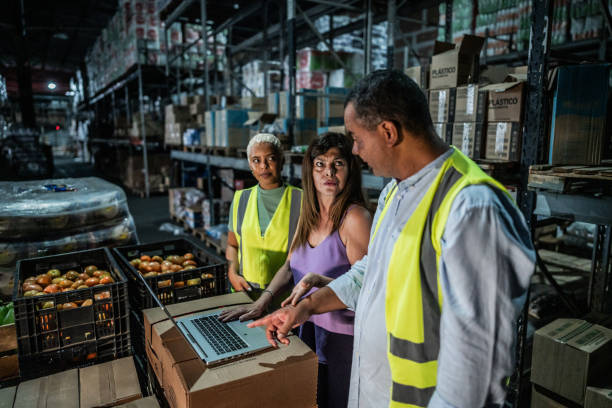
A new brand rarely needs a full warehouse on day one, yet most lease options demand exactly that commitment. Startups end up paying for empty racking, unused floor area, and a long contract that assumes growth they cannot predict. Shared warehouse space solves that mismatch by letting a business rent only the capacity it actually uses. Companies exploring shared warehouse space in Dubai, UAE quickly discover that the model fits small operations better than a traditional lease ever could. TABZ Logistics LLC works with local businesses that need flexibility rather than a five year commitment. These seven reasons explain why the model keeps winning with founders.

Reason One: You Pay Only for the Space You Use
A full warehouse lease charges for the whole floor, whether it holds pallets or echoes. Shared facilities break that area into smaller allocations, so a startup pays for a rack section rather than a building.

Metered space instead of fixed floor area
Most shared operators price by pallet position, square metre, or dedicated racking block. That structure lets a founder start small and add capacity when orders climb. It also removes the fear of signing for space that sits idle through a slow quarter.
What the monthly figure usually covers
Rent in a shared facility often bundles utilities, security, pest control, and basic maintenance. That bundling matters because these costs are unpredictable on their own and easy to underestimate in a business plan. A single invoice is far easier to forecast than five separate ones.
Reason Two: Setup Costs Drop Dramatically
Fitting out an empty warehouse is expensive. Racking, flooring, lighting, security systems, and fire compliance can run into serious money before a single box arrives.
Infrastructure that already exists
Shared facilities come equipped with racking, loading bays, material handling equipment, and fire suppression already installed. A new tenant walks into a working environment rather than a construction project. That saving alone often covers several months of rent.
Equipment you no longer need to buy
Pallet jacks, trolleys, and basic packing stations are usually available on site. For a startup, avoiding those purchases keeps capital free for inventory and marketing. It also removes the maintenance burden that comes with owning equipment.
Reason Three: Location Keeps You Close to Customers
Warehouse location decides delivery speed more than most founders expect. A facility positioned near ports, highways, and major delivery corridors shortens transit time and reduces shipping costs.
Shared sites in established logistics zones benefit from the infrastructure built around them, including courier access and freight consolidation. A startup that would never afford a prime location alone can operate from one through a shared arrangement. That positioning pays off every time an order ships.
Reason Four: Scaling Up or Down Takes Days
Growth rarely follows a straight line, and seasonal demand makes forecasting harder still. A traditional lease locks a business into a fixed footprint regardless of what the market does.
Adding capacity before peak season
Shared arrangements usually allow additional pallet positions with short notice. A brand preparing for a festive sale can expand in advance and reduce again afterward. That flexibility protects cash flow during the months when storage is not needed.
Reducing space without penalty
When sales soften, shrinking an allocation is far easier than subletting a warehouse. Businesses avoid paying for space they cannot fill while they rebuild momentum. That breathing room has kept many small operations alive through slow quarters.
Reason Five: Shared Infrastructure Covers the Expensive Parts
Some warehouse costs are unavoidable and expensive no matter how small the operation. Security, insurance, and compliance fall into that category.
Security and monitoring costs
Twenty four hour security, CCTV coverage, and controlled access are standard in shared facilities. Replicating that protection independently would be out of reach for most startups. Sharing the cost across multiple tenants makes it affordable.

Maintenance and utilities bundled in
Repairs, cleaning, and utility management sit with the operator rather than the tenant. A founder spends time on orders instead of chasing a broken dock leveller. That time saving is worth as much as the money saved.
Reason Six: Compliance and Documentation Come With the Space
Customs paperwork, storage regulations, and licensing requirements are easy to get wrong when a business is new. Shared facilities deal with these matters daily and usually provide documentation support.
Tenants benefit from established processes for inbound shipments, inventory records, and customs clearance. That guidance reduces the risk of costly delays at the border or a failed audit. For a founder learning the trade, that structure is genuinely valuable.
Reason Seven: You Gain Partners Instead of Landlords
The relationship differs from a traditional lease in a way that matters over time. Shared operators often provide value added services alongside the space itself.
Services that usually come included
Many facilities offer handling, labelling, and dispatch support within the same contract. Some go further with last mile delivery coordination. Each service removes a task the startup would otherwise have to build from scratch.
Advice from people who have seen it before
Operators work with dozens of brands and understand the mistakes that repeat. That experience is available simply by asking. For a first time founder, a five minute conversation often prevents an expensive error.
What to Check Before Signing Anything
The model works well, but only when the operator is chosen carefully. Before committing, confirm the following.
- How space is measured and whether it can be expanded on short notice.
- Which costs are included and which are billed separately.
- Access hours and whether weekend operations are permitted.
- Liability terms and how damage or loss is handled.
- Notice period required to reduce or exit the allocation.
- Whether handling and dispatch services are optional or mandatory.
Final Thoughts
The right storage model protects cash flow while a brand finds its footing. Shared space removes the two biggest barriers for a startup, which are upfront cost and long term commitment. Everything else follows from choosing an operator who communicates clearly.
Flexibility beats floor area
When you compare Shared Warehouse Space in Dubai, UAE options, look for clear pricing, short notice periods, and included services that match your workflow. The operator who answers those questions plainly will usually be the one who supports you as the business grows.
Frequently Asked Questions
Is shared warehouse space cheaper than a full lease?
For most startups, yes, because you pay only for the capacity you use. Setup costs are lower too since racking, security, and equipment already exist on site. The saving becomes especially clear during slow months when a fixed lease would still charge full rent.
How much space can I start with?
Many facilities allow a single pallet position or a small racking block as a starting point. That small entry makes the model practical for brands testing a new market. Space can usually be expanded once order volumes justify the additional cost.
Are my goods insured inside a shared facility?
Coverage varies by operator and is often limited, so confirm the liability terms before storing anything valuable. Many businesses arrange their own goods in transit and storage insurance. Ask exactly what the operator covers and what you must cover yourself.
Can I access my inventory every day?
Most shared facilities offer weekday access and many extend hours during peak seasons. Weekend access varies and sometimes carries an additional charge. Confirm the access policy in writing before signing, especially if your order schedule runs outside standard hours.