A septic system is one of the most important yet overlooked parts of a property. Many Miami homeowners only think about their septic tank when a drain backs up, unpleasant odors appear, or wastewater starts pooling in the yard. Unfortunately, waiting until problems occur can lead to expensive repairs and even complete system failure.
Routine septic tank pumping is one of the most effective ways to extend the life of your septic system, maintain proper performance, and avoid unexpected costs. Whether you recently purchased a property with a septic system or have owned one for years, understanding the pumping process, average costs, and recommended maintenance schedule can help you make informed decisions.
If you are considering septic tank pumping Miami FL services, knowing what to expect before scheduling an appointment can save time, money, and stress.
Why Septic Tank Pumping Matters
A septic tank is designed to separate solid waste from wastewater. Over time, sludge accumulates at the bottom of the tank while lighter materials float to the top. Although natural bacteria help break down waste, solids continue to build up and eventually require professional removal.
Without regular pumping, accumulated solids can overflow into the drain field, causing significant damage. Drain field repairs are often far more expensive than routine maintenance and can sometimes require partial or complete system replacement.
Regular septic tank pumping helps:
- Prevent backups and overflows
- Protect the drain field
- Improve system efficiency
- Extend system lifespan
- Reduce repair costs
- Maintain property value
- Support environmental safety
For Miami homeowners, where heavy rainfall and high groundwater levels can affect septic performance, proactive maintenance is particularly important.
How Often Should a Septic Tank Be Pumped?
There is no universal schedule that works for every property. Several factors influence how frequently pumping is needed.
Household Size
The number of people using the system directly affects how quickly solids accumulate.
General guidelines include:
- 1–2 occupants: Every 3–5 years
- 3–4 occupants: Every 2–4 years
- 5 or more occupants: Every 1–3 years
Tank Capacity
Larger tanks can hold more waste before requiring service. Smaller tanks typically fill faster and may need more frequent pumping.
Water Usage Habits
Households with high water consumption often place greater demands on their septic systems.
Examples include:
- Frequent laundry loads
- Long showers
- Large bathtubs
- Multiple occupants working from home
Garbage Disposal Use
Food waste adds extra solids to the tank, increasing the need for pumping.
System Age
Older septic systems may require closer monitoring and more frequent maintenance to maintain optimal performance.
Average Cost of Septic Tank Pumping in Miami
One of the most common questions homeowners ask is how much septic tank pumping costs.
While pricing varies based on tank size, accessibility, and service requirements, most Miami homeowners can expect costs to fall within these ranges:
| Tank Size | Typical Pumping Cost |
|---|---|
| 750–1,000 Gallons | $250–$450 |
| 1,250 Gallons | $350–$550 |
| 1,500 Gallons | $450–$700 |
| Larger Commercial Systems | Custom Pricing |
Additional factors that may influence cost include:
- Tank location and accessibility
- Excessive sludge buildup
- Emergency service requests
- Additional inspections
- Repairs discovered during service
Working with a trusted and reliable provider ensures accurate pricing and quality workmanship.
Signs Your Septic Tank Needs Pumping
Many homeowners wait until obvious symptoms appear before calling a professional. Recognizing warning signs early can help prevent larger issues.
Slow Drains
Multiple fixtures draining slowly throughout the property often indicate a full septic tank.
Unpleasant Odors
Persistent sewage smells around drains, the yard, or near the septic tank may signal excess waste buildup.
Standing Water
Pools of water near the drain field can indicate system overload or blockage.
Lush Grass Growth
While healthy grass is desirable, unusually green or rapidly growing patches over the drain field may suggest wastewater leakage.
Gurgling Sounds
Strange noises from toilets, sinks, or drains often point to restricted system flow.
Sewage Backups
This is one of the most serious warning signs and requires immediate professional attention.
What Happens During a Septic Tank Pumping Appointment?
Many homeowners are unsure what the pumping process involves. Understanding the procedure can make the experience more straightforward.
Locating the Tank
The technician first identifies and accesses the septic tank. If the tank location is unknown, additional locating services may be necessary.
Inspection of Components
Before pumping begins, the technician checks key system components for visible signs of damage, leaks, or structural concerns.
Waste Removal
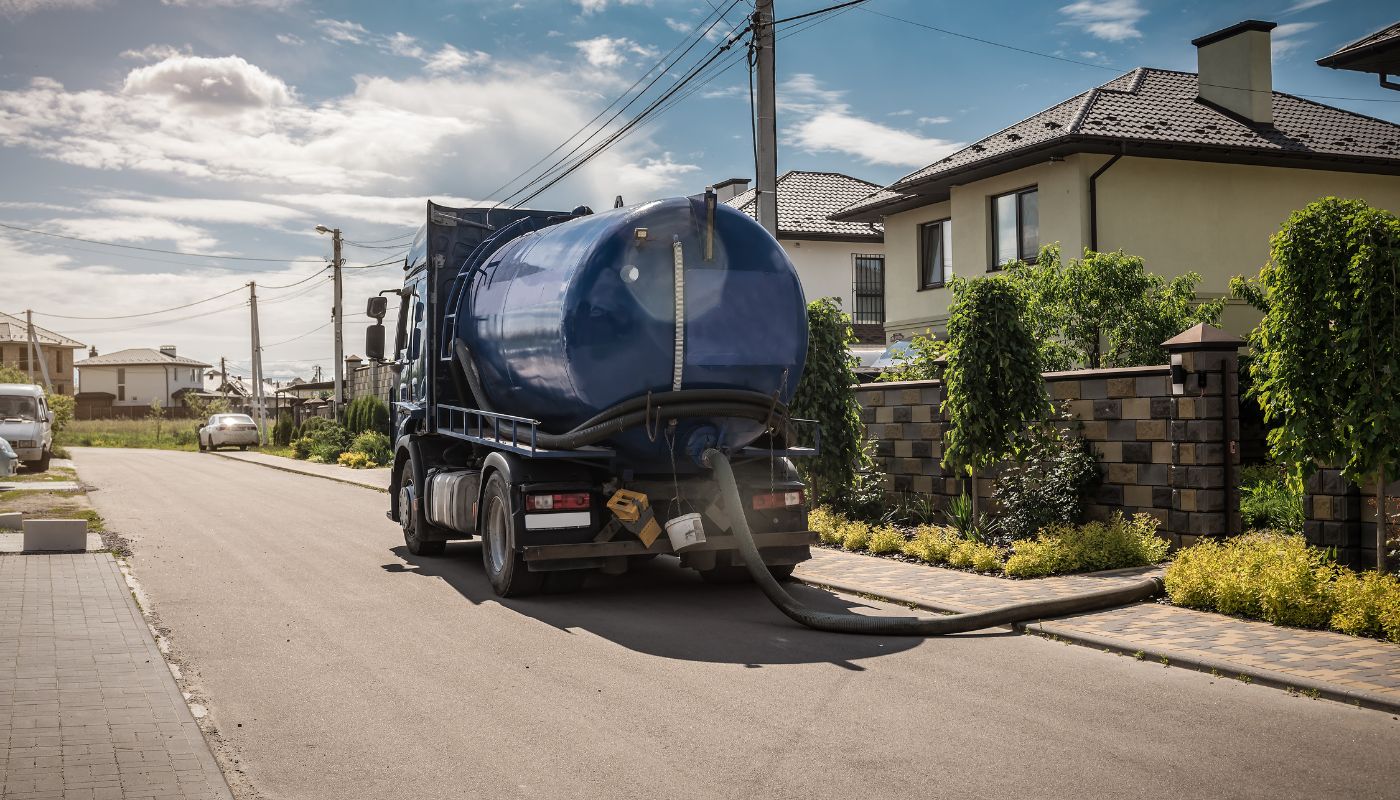
A specialized vacuum truck removes accumulated sludge, scum, and wastewater from the tank.
Internal Evaluation
Once emptied, the interior can be inspected more thoroughly for cracks, corrosion, root intrusion, or other issues.
Maintenance Recommendations
The technician may provide recommendations for future pumping schedules, repairs, or upgrades if necessary.
Most residential septic pumping appointments take between one and three hours depending on system size and site conditions.
Real-World Example: Preventing a Costly Drain Field Failure
A Miami homeowner noticed occasional slow drains but delayed maintenance because everything still appeared functional. After several months, sewage odors developed around the property, and wastewater began surfacing near the drain field.
Upon inspection, technicians discovered the septic tank had not been pumped in nearly eight years. Excess solids had entered the drain field, causing partial failure.
The homeowner ultimately required significant drain field repairs costing several thousand dollars.
Had the tank been pumped on a regular maintenance schedule, the problem likely could have been prevented with a routine service costing only a fraction of the repair expense.
This example highlights why proactive maintenance remains one of the most affordable and proven ways to protect a septic investment.
Septic Tank Pumping vs. Septic Tank Installation
Homeowners sometimes confuse pumping services with septic tank installation.
Septic Tank Pumping
Pumping focuses on maintenance. It removes accumulated waste and helps preserve the existing system.
Septic Tank Installation
Septic tank installation involves designing and constructing an entirely new septic system or replacing a failed one.
A new installation may be necessary when:
- A property is newly developed
- An existing tank has suffered structural failure
- Drain field damage is beyond repair
- Local code requirements mandate replacement
Because septic tank installation is a major investment, routine pumping can help maximize the lifespan of your current system and delay replacement costs.
Best Practices for Maintaining Your Septic System
Routine pumping is important, but additional habits can help protect your system year-round.
Conserve Water
Reducing excess water use prevents overloading the tank and drain field.
Avoid Flushing Problem Materials
Do not flush:
- Wipes
- Paper towels
- Feminine hygiene products
- Grease
- Cooking oils
- Harsh chemicals
Schedule Regular Inspections
Periodic inspections can identify developing issues before they become expensive repairs.
Protect the Drain Field
Avoid:
- Parking vehicles over the area
- Building structures on top
- Planting large trees nearby
Partner with Experienced Professionals
Working with well-experienced and top-rated septic professionals helps ensure accurate maintenance and reliable service recommendations.
Why Miami Homeowners Choose Professional Septic Services
Miami’s climate presents unique challenges for septic systems. Heavy rainfall, high humidity, and fluctuating groundwater levels can all affect system performance.
Professional septic contractors understand local soil conditions, permitting requirements, and maintenance needs. Their expertise helps homeowners develop practical maintenance schedules tailored to their property and usage patterns.
Whether you need routine pumping, inspections, repairs, or septic tank installation services, partnering with an industry-leading provider can help protect your investment for years to come.
Conclusion
Regular septic tank pumping is one of the smartest investments a homeowner can make. By removing accumulated waste before problems develop, you can prevent backups, protect your drain field, and avoid expensive repairs.
For most Miami properties, pumping every few years is significantly less costly than addressing a major septic failure. Understanding the average costs, expected timelines, and warning signs of a full tank allows homeowners to stay ahead of maintenance needs.
Septic Masters provides dependable septic tank pumping Miami FL services along with septic tank installation, inspections, repairs, and ongoing maintenance solutions. With proper care and a proactive maintenance schedule, your septic system can continue operating efficiently for decades.