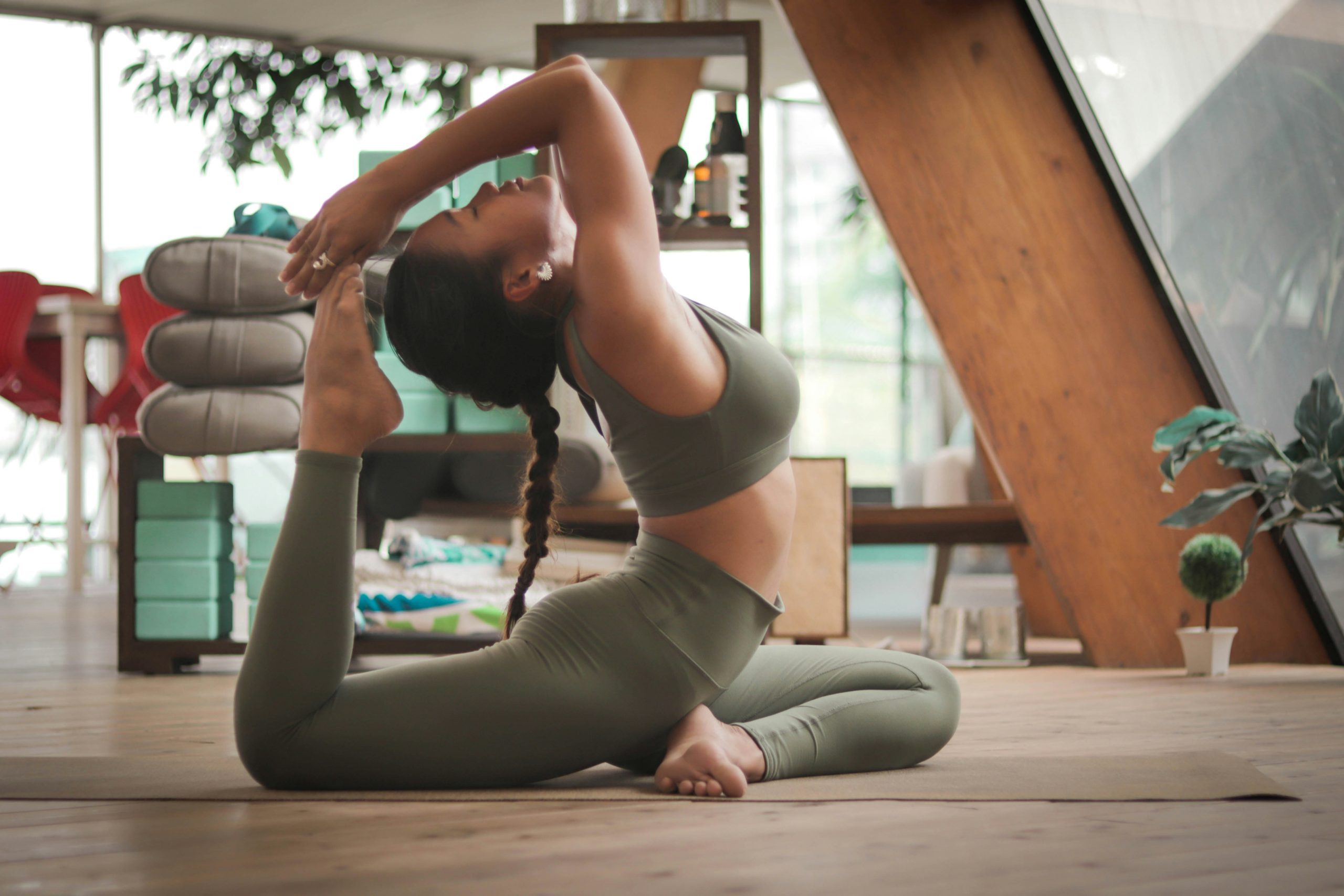
Raja Yoga Meditation is often referred to as the royal path of yoga because it focuses on mastering the mind in order to achieve true inner peace and self-realization. Unlike practices that emphasize only physical postures, Raja Yoga takes a holistic approach by integrating ethical living, breath control, concentration, and deep meditation to bring harmony between body, mind, and spirit.
What Is Raja Yoga Meditation?
At its core, Raja Yoga Meditation is a disciplined technique designed to calm the fluctuations of the mind and lead the practitioner toward higher awareness. The term Raja Yoga literally means “royal yoga” — symbolizing mastery over thoughts and emotions. This path is deeply rooted in the classical teachings of the Yoga Sutras of Patanjali, which outline an eight-limbed framework (Ashtanga) for spiritual evolution.
Meditation (Dhyana) is one of these eight limbs and sits at the heart of Raja Yoga, bridging concentration (Dharana) and the ultimate state of Samadhi, where the sense of individuality dissolves into pure awareness.
The Eight Limbs: A Step-by-Step Guide
Raja Yoga Meditation is more than just sitting in silence — it is part of a structured path that gradually prepares the mind for deep inner stillness:
-
Yama (Ethical Disciplines): Principles like non-violence, truthfulness, and non-possessiveness lay the foundation for a balanced life.
-
Niyama (Self-Observances): Practices such as purity, contentment, and self-study cultivate inner discipline.
-
Asana (Posture): Physical postures prepare the body to be steady and relaxed, essential preparation for meditation.
-
Pranayama (Breath Control): Breath regulation calms the nervous system and refines attention.
-
Pratyahara (Withdrawal of Senses): Turning inward by minimizing external distractions.
-
Dharana (Concentration): Focusing the mind on one object or point.
-
Dhyana (Meditation): Uninterrupted flow of awareness leading to inner silence.
-
Samadhi (Union): A supreme state of blissful awareness beyond the conditioned mind.
Each limb builds upon the previous one, making meditation not just a moment of silence but the culmination of a disciplined lifestyle.
How Raja Yoga Meditation Transforms the Mind
One of the most profound benefits of Raja Yoga Meditation is its ability to quiet mental chatter and reduce stress. By learning to observe thoughts without attachment, practitioners develop clarity, focus, and emotional balance.
Unlike many modern mindfulness techniques that focus on relaxation alone, Raja Yoga teaches how to consciously control mental patterns — a skill that fosters resilience, emotional stability, and deeper self-understanding in everyday life.
Why Practice Raja Yoga Meditation?
There are several compelling reasons to include this practice in your spiritual or wellness journey:
Deep Mental Peace – Meditation helps calm the mind and dissolve anxiety.
Enhanced Focus & Clarity – Regular practice strengthens attention and improves cognitive function.
Emotional Balance – Observation of thoughts leads to emotional resilience and balanced reactions.
Spiritual Growth – The ultimate goal is self-realization and inner unity.
In today’s world — filled with constant stimulation and stress — the ability to cultivate an inner sanctuary through meditation is invaluable.
Getting Started with Raja Yoga Meditation
Starting your practice doesn’t require long hours or special tools. You can begin with these simple steps:
-
Find a Quiet Space: A calm environment supports deeper focus.
-
Set a Regular Time: Consistency enhances progress.
-
Focus on the Breath: Use breath as an anchor before moving to deeper awareness.
-
Observe Without Judgment: Let thoughts arise and pass without clinging.
With commitment and patience, this ancient meditation technique can become an empowering lifelong practice.
Raja Yoga Meditation is an authentic and complete path to mental mastery and inner freedom — a practice that harmonizes modern life with timeless wisdom.
The Philosophy Behind Raja Yoga Meditation
To truly understand Raja Yoga Meditation, it is important to recognize its philosophical depth. This path is systematized in the teachings of Patanjali through the classical text Yoga Sutras of Patanjali. In this foundational scripture, yoga is defined as “Yogas chitta vritti nirodhah,” which means the cessation of fluctuations of the mind. This simple yet profound definition forms the core of Raja Yoga Meditation.
The human mind is constantly influenced by thoughts, memories, desires, fears, and sensory impressions. Raja Yoga does not attempt to suppress these movements forcefully; instead, it teaches systematic discipline and awareness to gradually still them. Through regular meditation, the practitioner becomes an observer rather than being controlled by mental activity. This shift from identification to observation is the beginning of true freedom.
Raja Yoga Meditation and Mental Discipline
Modern life is full of distractions — digital noise, emotional stress, and endless responsibilities. Raja Yoga Meditation offers a structured approach to developing mental discipline in the midst of chaos. By practicing concentration (Dharana) regularly, the mind learns to stay focused on one object, whether it is the breath, a mantra, or a point of awareness.
Over time, this focus becomes effortless and flows into meditation (Dhyana). In this state, awareness remains continuous without interruption. The practitioner experiences deep calmness, clarity, and an expanded sense of consciousness. Unlike temporary relaxation techniques, Raja Yoga builds long-term mental strength and emotional maturity.
This discipline also improves decision-making abilities. When the mind is calm and steady, responses become thoughtful rather than reactive. This transformation positively influences personal relationships, professional growth, and overall well-being.
The Role of Breath in Raja Yoga Meditation
Breath plays a crucial role in preparing the mind for meditation. Through Pranayama practices, the nervous system becomes balanced and the flow of energy within the body stabilizes. Controlled breathing techniques reduce stress hormones, regulate heart rate, and create mental clarity.
When breath becomes slow and rhythmic, thoughts naturally begin to settle. This is why breath awareness is often the first step in meditation practice. By mastering breath control, practitioners create a stable internal environment that supports deeper meditative states.
Raja Yoga Meditation and Spiritual Awakening
While Raja Yoga Meditation offers psychological benefits, its ultimate goal is spiritual awakening. The final limb, Samadhi, represents complete absorption in pure awareness. In this state, the sense of separation between the meditator and the object of meditation dissolves.
Spiritual awakening in Raja Yoga does not necessarily mean withdrawing from worldly life. Instead, it brings a heightened sense of presence and purpose. Individuals become more compassionate, patient, and balanced. Actions arise from clarity rather than ego-driven impulses.
This inner awakening fosters a sense of unity with all beings, encouraging kindness and understanding in everyday interactions.