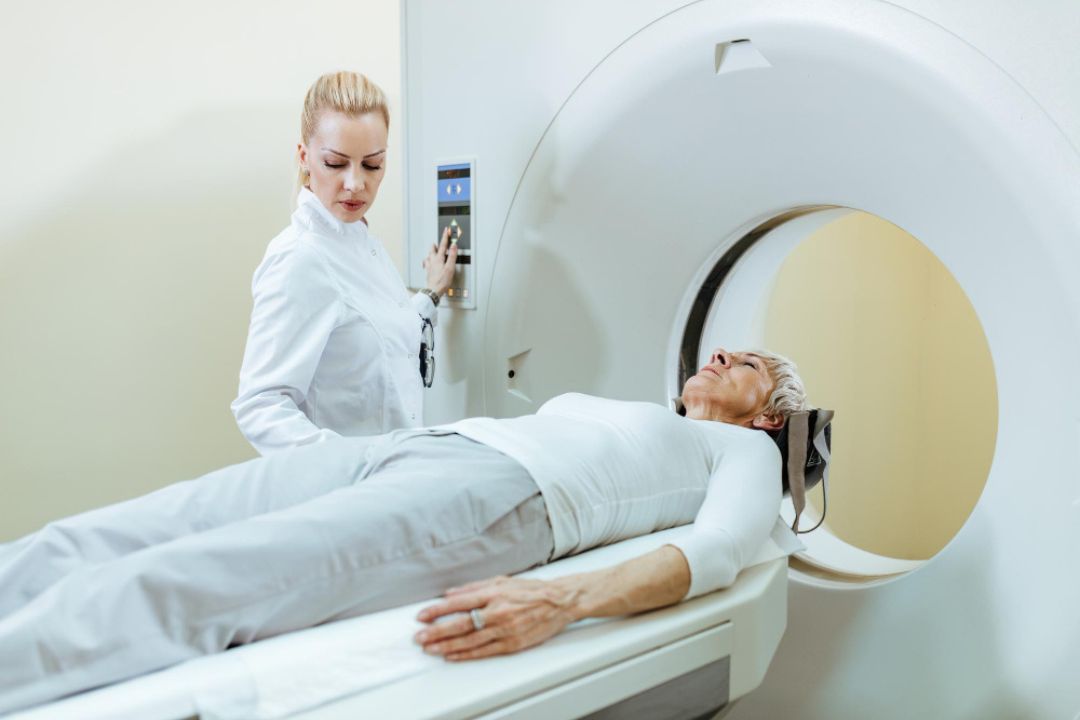
When a doctor recommends a medical scan, it is natural to have questions about the procedure, preparation, cost, and what to expect during the appointment. Medical imaging plays an important role in healthcare by helping doctors examine different parts of the body and understand certain medical conditions. Choosing a diagnostic centre that explains the process clearly can make the experience more comfortable for patients and their families.
If you are looking for Radiology Scans in Pune, Diagnopein Diagnostics offers access to medical imaging services that support doctors in evaluating a wide range of health concerns. Depending on the doctor’s recommendation, patients may require an MRI scan, CT scan, X-ray, sonography, or another imaging examination. Understanding these services can help you prepare for your appointment and make informed decisions about your healthcare.

What Are Radiology Scans?
Radiology scans are medical imaging procedures used to create pictures of structures inside the body. These images help qualified healthcare professionals examine organs, bones, tissues, and other internal structures without performing surgery.
Different imaging methods use different technologies. Some use sound waves, while others use X-rays, magnetic fields, and radio waves. The appropriate scan depends on the body part being examined, the symptoms being investigated, and the information the doctor needs.
Medical imaging may be recommended to:
- Investigate pain, swelling, or an injury.
- Examine internal organs and soft tissues.
- Identify certain abnormalities that need further evaluation.
- Monitor changes in a known medical condition.
- Help doctors plan treatment or assess progress.
Not every patient requires the same scan. A qualified doctor can recommend the appropriate examination based on individual medical needs.
Types of Radiology Scans Available
Understanding the differences between common imaging procedures can help you know what to expect when visiting a diagnostic centre in Pune.
1. MRI Scan
Magnetic Resonance Imaging (MRI) uses a strong magnetic field and radio waves to create detailed images of internal body structures. Unlike X-rays and CT scans, MRI does not use ionising radiation.
Why is an MRI performed?
Doctors may recommend an MRI to examine the brain, spine, joints, muscles, and certain internal organs. It can help evaluate selected neurological conditions, soft-tissue injuries, and other medical concerns.
What should patients expect?
- You may need to remove metal objects before entering the scanning room.
- You will generally lie on a movable table that slides into the scanner.
- Remaining still during image capture helps produce clearer pictures.
- The examination may take around 20–60 minutes or longer, depending on the scan.
Inform the staff if you have a pacemaker, implanted medical device, metal fragments, or concerns about enclosed spaces. Some implants require specific safety checks before MRI.
2. CT Scan
A Computed Tomography (CT) scan uses X-rays and computer processing to create detailed cross-sectional images of the body.
Why is a CT scan performed?
Doctors may recommend CT imaging to examine injuries, bones, the chest, abdomen, or other areas. It can also be useful in evaluating certain urgent medical conditions.
What should patients expect?
The patient lies on a table that moves through a ring-shaped scanner. The machine captures images while the patient remains still. Many scans take only a few minutes, although preparation and the use of contrast material may increase the overall appointment time.
Tell your doctor or the imaging team if you are pregnant or might be pregnant, have kidney problems, or have previously experienced a reaction to contrast material.
3. X-Ray
An X-ray is a commonly used imaging procedure that uses a small amount of ionising radiation to create images of internal structures, particularly bones.
Common uses include:
- Examining suspected fractures.
- Evaluating certain joint and bone problems.
- Assessing the chest when medically indicated.
- Checking the position of certain medical devices.
The procedure is usually quick. You may be asked to stand, sit, or lie down in a particular position while the image is captured. Inform the radiographer if you are pregnant or may be pregnant before the examination.
4. Sonography or Ultrasound
Sonography, also called ultrasound, uses high-frequency sound waves to produce images of organs and tissues inside the body. It does not use ionising radiation.
Doctors may recommend sonography to examine the abdomen, pelvis, kidneys, or other structures. Ultrasound is also commonly used during pregnancy when clinically indicated. Colour Doppler ultrasound can assess blood flow in selected blood vessels.
How does the procedure work?

A healthcare professional usually applies a water-based gel to the skin and moves a handheld device over the area being examined. Some examinations require a full bladder or fasting, while others do not.
The preparation depends on the type of ultrasound. Follow the instructions provided when booking your appointment.
How to Prepare for a Radiology Scan
Preparation varies according to the examination and the body part being assessed. Following the instructions provided by your doctor or diagnostic centre can help avoid delays and improve image quality.
Before your appointment:
- Confirm the scan details: Check the examination name and any referral or prescription requirements.
- Ask about food and water: Some abdominal scans require fasting, while other examinations have no such restriction.
- Share your medical history: Mention pregnancy, allergies, kidney problems, previous contrast reactions, and relevant medical conditions.
- Discuss medicines: Ask whether any medication-related precautions are necessary. Do not stop prescribed medicines without medical advice.
- Carry previous reports: Earlier scans and relevant medical records may help the doctor compare findings.
- Arrive on time: Allow extra time for registration, preparation, and any required screening.
If you are unsure about a preparation instruction, contact the centre before your visit rather than guessing.
How Much Do Radiology Scans Cost in Pune?
The cost of medical imaging in Pune varies according to several factors. These may include the type of scan, the body part examined, whether contrast material is required, the complexity of the examination, and the diagnostic centre’s pricing.
For example, an MRI, CT scan, X-ray, and sonography examination have different requirements and costs. Additional charges may apply for contrast material or other necessary services.
Before booking, ask the diagnostic centre about the total applicable cost, preparation requirements, report availability, and whether any additional services are included. Contact Diagnopein Diagnostics for current pricing and availability for your required scan.
Why Choose Diagnopein Diagnostics?
When arranging medical imaging, patients benefit from clear information, convenient appointment coordination, and a professional approach to the examination process.
Diagnopein Diagnostics provides medical imaging services for patients seeking diagnostic support in Pune. When choosing a centre, patients can consider the following points:
- Range of imaging services: Ask about the availability of MRI, CT scan, X-ray, and sonography for your prescribed examination.
- Patient guidance: Understand the preparation instructions and steps involved before the scan.
- Appointment coordination: Confirm the location, appointment time, and any documents required.
- Reporting process: Ask about report timelines and how results will be shared.
- Clear communication: Discuss any concerns about the procedure with the centre’s staff before the examination.
The suitability of a scan and the interpretation of its findings should be guided by qualified healthcare professionals.
When Should You Consult a Doctor?
If you experience persistent pain, unexplained swelling, recurring symptoms, or an injury, consult a qualified doctor for an appropriate assessment. Your doctor will decide whether medical imaging is necessary and which examination may be suitable.
Do not arrange a scan solely based on symptoms or online information when medical evaluation is needed. Seek urgent medical attention for severe or sudden symptoms, such as difficulty breathing, sudden weakness on one side of the body, or severe chest pain.
Frequently Asked Questions
1. Which radiology scan is best for my condition?
There is no single scan that is suitable for every condition. MRI, CT, X-ray, and sonography provide different types of information. Your doctor can recommend the examination based on your symptoms and medical history.
2. Do I need a doctor’s prescription for a radiology scan?
Requirements depend on the examination and applicable medical guidelines. Some scans may require a referral or prescription. Confirm the requirements with your doctor and the diagnostic centre before booking.
3. How long does a radiology scan take?
The duration depends on the procedure. Many X-rays take only a few minutes, while MRI examinations may take approximately 20–60 minutes or longer. CT scans and ultrasound examinations also vary according to the area being examined and the preparation required.
4. Are radiology scans safe?
Medical imaging procedures have different benefits and considerations. MRI and ultrasound do not use ionising radiation, while X-rays and CT scans do. Healthcare professionals consider the clinical need and relevant precautions before recommending an examination. Always inform the team about pregnancy or other relevant medical concerns.
5. How can I book radiology scans in Pune at Diagnopein?
You can contact Diagnopein Diagnostics to enquire about the required scan, available locations, appointment timings, preparation instructions, and current charges. Keep your doctor’s prescription and previous reports available if applicable.
Book Your Radiology Scan in Pune with Diagnopein
Getting the right medical imaging examination can help your doctor gather important information for your healthcare assessment. Understanding the procedure, following preparation instructions, and discussing your concerns beforehand can make the process easier.
If you are searching for Radiology Scans in Pune, contact Diagnopein Diagnostics to enquire about MRI, CT scan, X-ray, sonography, and other available diagnostic services.
Contact Diagnopein Diagnostics: 9204 108 108
Speak with the team to confirm scan availability, appointment details, preparation requirements, and applicable charges. Follow your doctor’s advice regarding the appropriate examination and the interpretation of your results.