The demand for convenient food ordering continues to grow as customers look for faster, easier ways to order meals from their favorite restaurants. For startups, entrepreneurs, and established businesses, launching a food delivery app presents an opportunity to enter the growing digital food market and connect restaurants with customers through a single platform.

However, building a successful platform requires more than offering online ordering. Businesses must understand local customer preferences, restaurant requirements, delivery operations, and the expectations of different markets. Whether you plan to launch in Dubai, the United States, the United Kingdom, or other international markets, your platform should support a convenient and reliable ordering experience.

A well-planned food delivery app can help businesses connect customers, restaurants, and delivery partners while creating opportunities for long-term growth. With the right business model and market strategy, entrepreneurs can establish a scalable digital food ordering service without starting their business journey from scratch.
What Is an Online Food Delivery App?
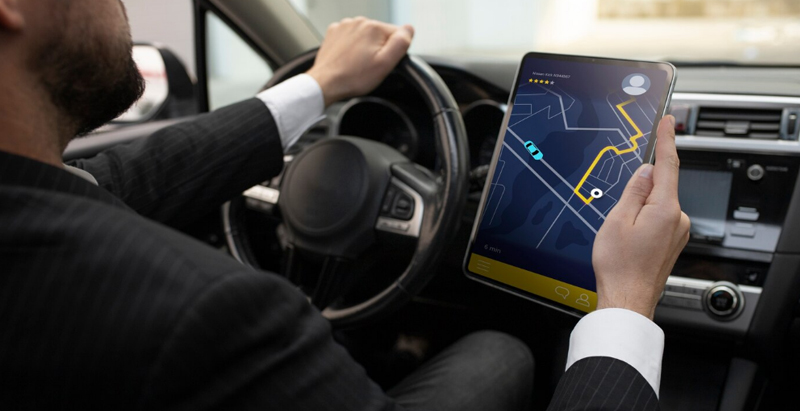
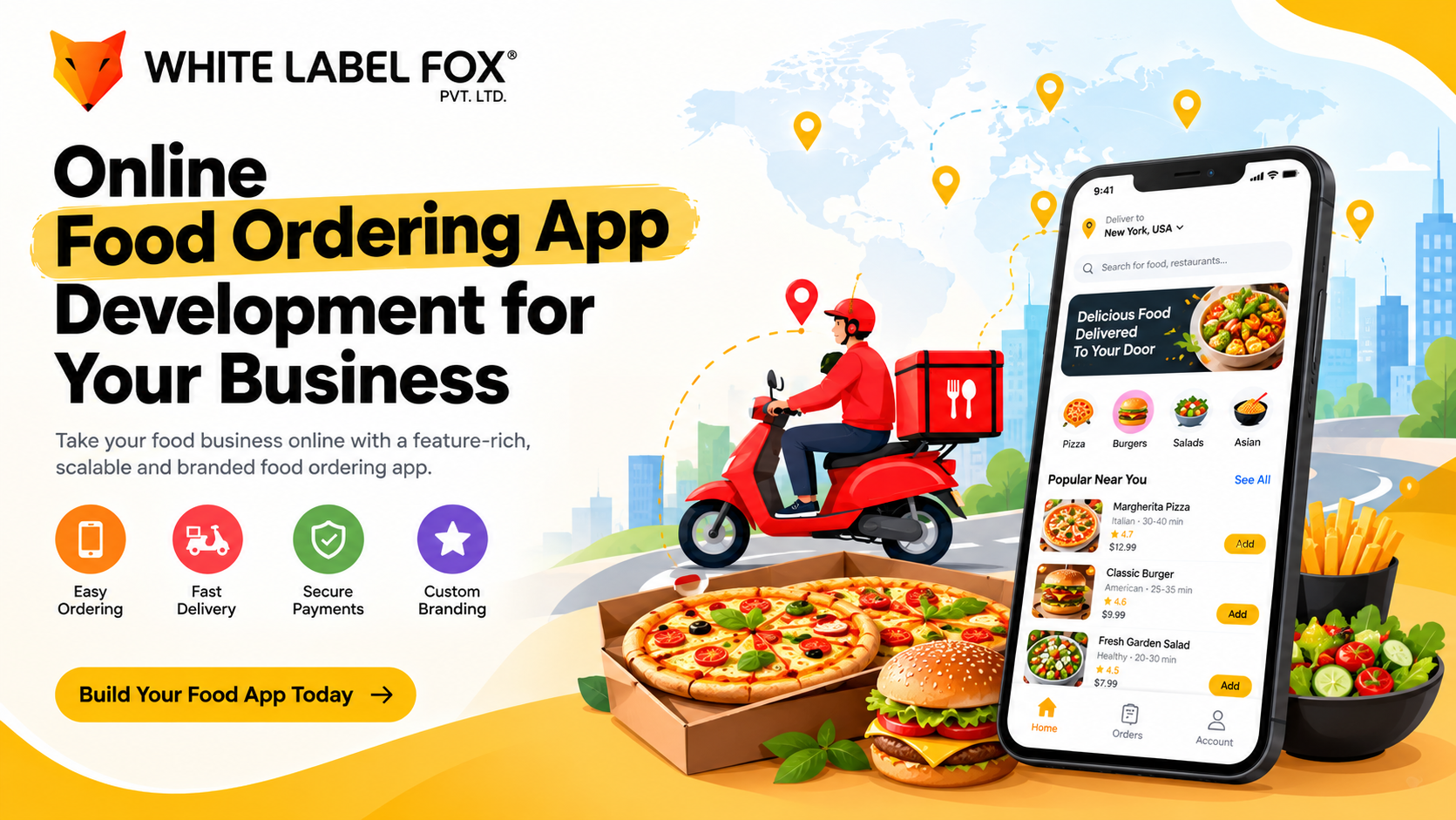
An online food ordering app allows customers to browse restaurant menus, select meals, place orders, make payments, and track deliveries through their mobile devices. It provides a convenient way for customers to access different restaurants while helping food businesses reach a wider audience.
For entrepreneurs, this business model offers several opportunities. You can launch a platform that serves a specific city, focuses on a particular cuisine, or connects multiple restaurants across a larger region.
A successful food delivery platform typically serves three main groups:
- Customers: People who browse menus, place orders, and receive their meals.
- Restaurants: Food businesses that list their menus, manage orders, and connect with new customers.
- Delivery partners: Individuals responsible for collecting orders and delivering them to customers.
Bringing these groups together creates a convenient ordering ecosystem. Businesses can also introduce features such as restaurant ratings, order notifications, delivery tracking, promotional offers, and multiple payment options to improve the customer experience.
Why Are Food Delivery Apps Important for Global Businesses?
Food delivery services operate across different markets, but customer expectations and business requirements can vary significantly. Entrepreneurs must consider these differences when planning their platforms.
1. Growing Demand for Digital Convenience
Customers increasingly value the ability to order meals without visiting restaurants or making phone calls. A reliable food ordering app helps businesses meet this demand by providing easy access to menus, restaurant information, and delivery services.
For startups, this creates an opportunity to build a recognizable brand and establish relationships with local restaurants.
2. Opportunities in International Markets
Different countries offer different opportunities for food delivery businesses.
In Dubai and other parts of the UAE, businesses can target busy professionals and residential communities seeking convenient meal delivery. Food delivery app development services in Dubai help entrepreneurs build platforms tailored to local customer preferences and restaurant needs.
In the United States, entrepreneurs can explore local restaurant partnerships, regional delivery services, and niche markets such as healthy meals or specialty cuisines.
In the United Kingdom, businesses can serve urban customers, independent restaurants, and communities with diverse food preferences.
Understanding local dining habits, delivery expectations, language preferences, and payment methods helps businesses create a platform that fits their target audience.
3. Multiple Business Models
Entrepreneurs can choose a business model based on their target customers and operational capabilities.
- Restaurant aggregator: Connects customers with multiple restaurants through one platform.
- Single-restaurant delivery: Helps an individual restaurant manage direct orders and deliveries.
- Hyperlocal delivery: Focuses on restaurants and customers within a specific geographical area.
- Niche food delivery: Serves a particular audience, such as customers looking for vegan meals, healthy food, or regional cuisine.
Choosing the right model allows businesses to establish a clear market position before expanding into additional locations.
Essential Features of a Successful Food Delivery App
A convenient customer experience is essential for attracting users and encouraging repeat orders. Businesses should prioritize features that make ordering simple for customers while helping restaurants and delivery partners manage daily activities.
1. Easy Registration and User Profiles
Customers should be able to create accounts, manage delivery addresses, review previous orders, and save their preferences. A simple registration process helps reduce friction and makes the platform easier to use.
2. Restaurant Listings and Menu Management
Customers need access to restaurant information, food categories, menu descriptions, images, and availability. Search and filtering options can help users discover suitable meals quickly.
3. Order Tracking and Notifications
Order updates help customers understand whether their orders have been accepted, prepared, collected, or delivered. Timely notifications also improve communication between customers, restaurants, and delivery partners.
4. Multiple Payment Options
International platforms should consider the payment preferences of their target markets. Depending on the location, customers may expect card payments, digital wallets, or other locally supported payment methods.
5. Ratings, Reviews, and Offers
Customer reviews help users make informed decisions, while promotional offers can encourage first-time purchases and repeat orders. Businesses should ensure that promotions are clear and that customer feedback can be managed effectively.
6. Restaurant and Delivery Management
Restaurants need convenient ways to receive orders, update menu availability, and monitor order progress. Delivery partners benefit from clear delivery instructions and access to relevant order information.
Together, these features help create a dependable service that meets the expectations of customers and business partners.
How to Launch a Food Delivery Business with a Clone App Solution
Building a digital platform from the beginning can require significant planning, product decisions, and market research. A clone app solution offers an alternative for entrepreneurs who want to establish a business using a proven application concept as a starting point.
An UberEats Clone provides a starting point for businesses planning to launch a restaurant ordering and delivery platform inspired by the familiar food delivery marketplace model. It can be adapted to suit a company’s brand identity, target audience, operational requirements, and expansion plans.

Importantly, a clone app does not mean copying another company’s branding or proprietary assets. Businesses should establish their own identity and ensure that their product complies with applicable laws and intellectual property requirements.
Benefits of an UberEats Clone for Entrepreneurs
An UberEats Clone app can help businesses organize the essential functions of a food delivery marketplace within a structured product concept.
Key benefits include:
- Faster business planning: Start with an established application concept rather than defining every marketplace function independently.
- Business model flexibility: Adapt the platform for local restaurants, regional delivery services, or specialized food categories.
- Brand customization: Create a distinct identity that reflects your company’s goals and target audience.
- Expansion opportunities: Plan to introduce additional restaurants, service areas, and customer segments as the business grows.
- Market-focused features: Select capabilities that match local ordering habits and operational needs.
For example, a startup in Dubai might focus on multilingual customer experiences and regional payment preferences. An entrepreneur in the United States might prioritize local restaurant partnerships, while a UK-based business could focus on a particular city or customer segment.
The right customization strategy depends on market research, customer expectations, and the company’s long-term business objectives.
Choosing the Right Food Delivery App Development Partner
Selecting a suitable development partner is an important decision for entrepreneurs preparing to enter the online food delivery market. A reliable partner should understand both the application requirements and the business challenges associated with launching a marketplace.
When evaluating a food delivery app development company, consider the following factors.
Industry Experience and Business Understanding
Look for a partner with experience in marketplace applications and on-demand business models. The company should understand how customers, restaurants, and delivery partners interact throughout the ordering process.
Customization and Market Adaptability
Your platform should reflect your business goals rather than force your company to follow a generic operating model. Discuss branding, feature selection, regional requirements, and future expansion before making a decision.
Support for Global Business Requirements
If you plan to serve customers across the USA, UK, UAE, or other countries, consider localization requirements such as languages, currencies, payment preferences, and local regulations.
Product Demonstrations and Ongoing Support
Request a demonstration to understand the user experience and available capabilities. Also, clarify what support, maintenance, upgrades, and customization services the company provides after launch.
Working with an experienced partner can help entrepreneurs make informed product decisions and establish a clearer path from business planning to market entry.
How to Build a Long-Term Growth Strategy
Launching an application is only one part of establishing a successful food delivery business. Sustainable growth depends on attracting customers, building restaurant relationships, and delivering a consistent experience.
Start with a Clearly Defined Market
Rather than launching everywhere at once, identify a specific location or customer segment. Research local competitors, restaurant availability, customer expectations, and delivery demand before expanding.
Build Strong Restaurant Partnerships
Restaurants are central to the success of a food delivery marketplace. Partner with businesses that offer reliable service, consistent food quality, and menus that appeal to your target audience.
Focus on Customer Retention
Loyal customers can support long-term growth. Improve retention through dependable delivery experiences, responsive customer support, relevant offers, and a straightforward ordering process.
Use Customer Feedback to Improve the Platform
Reviews, support requests, and ordering patterns can reveal areas that need improvement. Use these insights to refine the customer experience and make informed decisions about future features.
Expand Based on Business Performance
Once the business establishes a stable presence in its initial market, consider expanding into nearby locations or introducing new food categories. A gradual expansion strategy can help businesses manage operational complexity while maintaining service quality.
Conclusion
Online food delivery continues to offer opportunities for startups, entrepreneurs, and established businesses looking to build digital services for local and international markets. Success depends on understanding customer expectations, selecting the right business model, developing useful features, and establishing reliable restaurant and delivery partnerships.
An UberEats Clone can provide a starting point for entrepreneurs who want to launch a food delivery marketplace with a recognizable business concept. However, long-term success requires thoughtful customization, effective market positioning, and a clear growth strategy.
Partnering with an experienced food delivery app development company can help businesses evaluate their requirements and choose an appropriate path toward launch. If your business is exploring food delivery, taxi booking, handyman services, or other on-demand solutions, working with a capable clone app development company can help you turn your business idea into a market-ready digital product.
Frequently Asked Questions (FAQs)
1. What is a food delivery app?
A food delivery app is a digital platform that allows customers to browse restaurant menus, place food orders, make payments, and receive deliveries. It connects customers with restaurants and delivery partners through a convenient ordering experience.
2. How does an UberEats Clone help startups?
An UberEats Clone provides a starting point for startups planning to launch a food ordering and delivery marketplace. Businesses can customize the application concept, select relevant features, establish their own branding, and adapt the service to their target market.
3. What should entrepreneurs consider before launching a food delivery business?
Entrepreneurs should research their target market, identify customer needs, select a suitable business model, establish restaurant partnerships, review local regulations, and plan their customer acquisition strategy.
4. Can a food delivery platform serve customers in multiple countries?
Yes. A platform can be designed for multiple markets by considering language preferences, currencies, local payment methods, restaurant availability, and country-specific regulations. Businesses should evaluate each market carefully before expanding internationally.
5. How do I choose an online food ordering app development company?
Evaluate the company’s industry experience, customization capabilities, understanding of marketplace business models, support services, and ability to address your target market’s requirements. Request a product demonstration and clarify the scope of services before selecting a development partner.